- FG to conduct new out-of-school children survey
- Alausa says current figures need updating
- Minister highlights ongoing education reforms
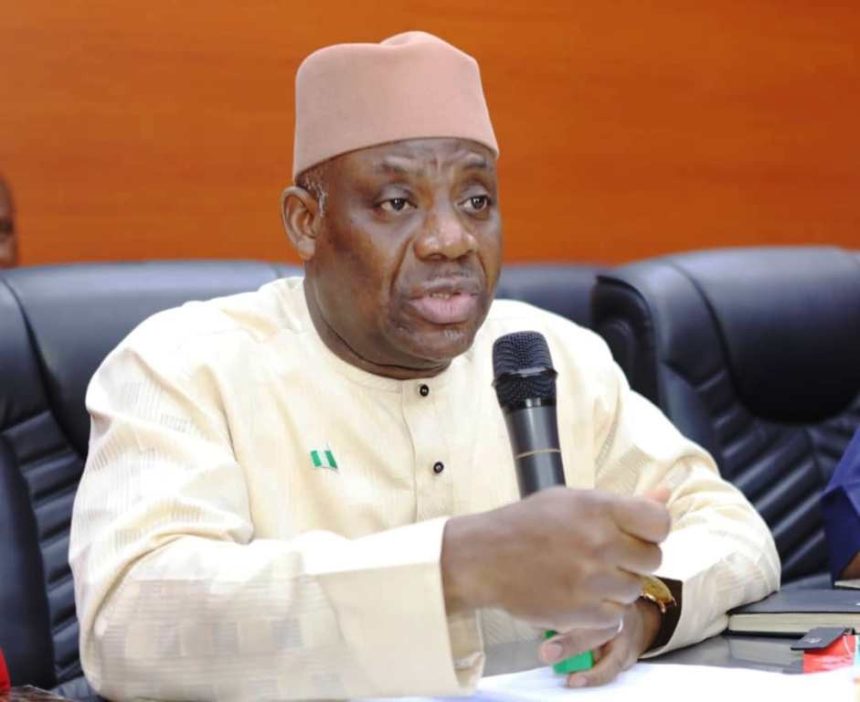
The Federal Government has announced plans to carry out a nationwide household survey to determine the actual number of out-of-school children across Nigeria, as part of efforts to generate reliable data for education planning.
Eko Hot Blog gathered that Minister of Education, Dr. Tunji Alausa, disclosed this on Wednesday during the 2026 Annual Education Summit of the Education Correspondents Association of Nigeria (ECAN) in Abuja.
EDITOR’S PICK
- 175th Kayokayo Festival Grand Finale: Epe Celebrates 175 Years of Faith, Heritage, Unity and Prosperity
- Wale Raji Reaffirms Commitment at KayoKayo Finale
- India: Massive Garbage Heap Collapse Kills Nine Workers at Waste-to-Energy Plant
He said the Ministry of Education would partner with the National Bureau of Statistics (NBS) to conduct the survey, noting that current estimates of out-of-school children no longer accurately reflect the situation in the country.
According to the minister, the survey will provide credible data on the scale and distribution of the challenge, enabling the government to develop targeted policies and interventions to improve school enrolment.
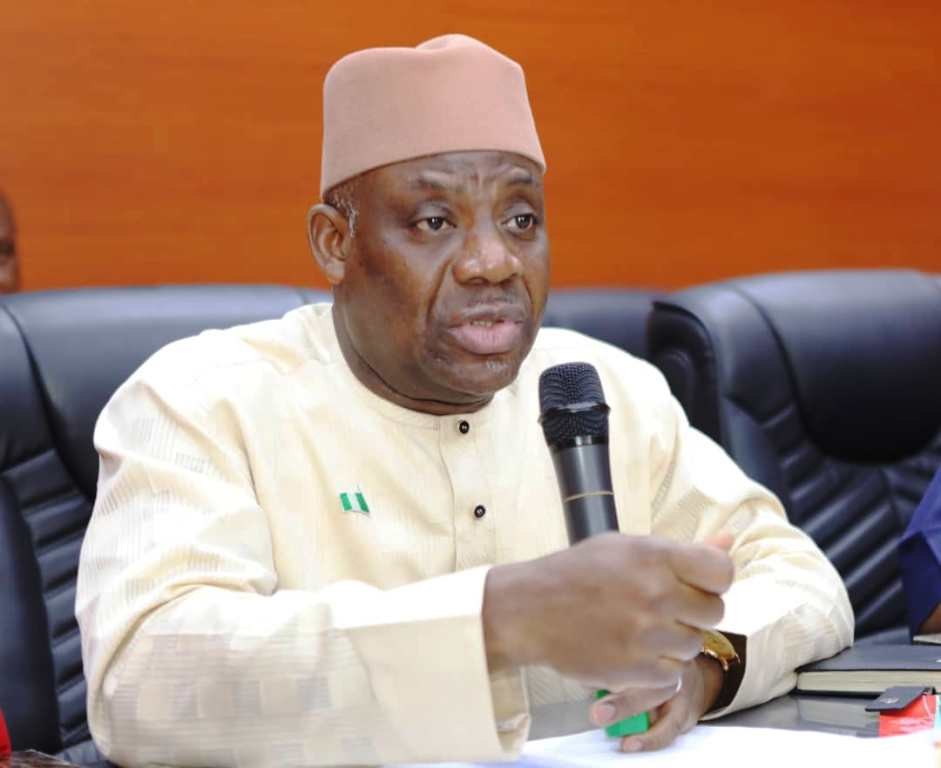
Alausa said the Federal Government was replacing assumptions with evidence-based data to strengthen decision-making in the education sector.
He revealed that more than one million out-of-school children had returned to classrooms over the past two years but stressed that accurate statistics were essential for tracking progress and addressing the problem effectively.
Current estimates place the number of out-of-school children in Nigeria at between 15 million and 20 million.
The minister said President Bola Tinubu’s administration remained committed to evidence-based policymaking, adding that access to credible data would help both citizens and the media hold public officials accountable.
He also urged journalists to move beyond routine event reporting by embracing investigative journalism that tracks government performance and highlights challenges in the education sector using verified information.
Alausa noted that quality reporting supported by accurate data would promote transparency and contribute to better education outcomes.
He highlighted ongoing reforms under the Renewed Hope Agenda, including the expansion of Technical and Vocational Education and Training (TVET), greater emphasis on Science, Technology, Engineering and Mathematics (STEM), digital transformation, improved quality assurance, stronger education governance and expanded access to learning opportunities.
The minister further stated that Nigeria had recorded three consecutive years of uninterrupted academic activities in universities, polytechnics and colleges of education, attributing the achievement to sustained dialogue with tertiary institution unions.
He added that the country’s global academic standing had improved, with 24 Nigerian universities now ranked among the world’s top 1,000 institutions, compared to 21 previously.
The summit, themed “Three Years of the Tinubu Administration: Assessing Reforms, Progress and Challenges in Nigeria’s Education Sector,” brought together policymakers, education stakeholders and journalists to review progress and discuss challenges facing the sector.
Also speaking, Minister of State for Education, Prof. Suwaiba Ahmad, urged journalists to support ongoing reforms through responsible and balanced reporting.
Executive Secretary of the Universal Basic Education Commission (UBEC), Aisha Garba, reiterated the commission’s commitment to ensuring every Nigerian child has access to quality basic education regardless of location or background.
The Chairperson of the Nigeria Union of Journalists (NUJ), FCT Council, Grace Ike, called for stronger collaboration among government, parents, educators and the media to improve accountability and address challenges in the education sector.
Earlier, ECAN Chairman, Chuks Ukwauta, said the summit was organised to assess the achievements, reforms and remaining challenges in Nigeria’s education system under the Tinubu administration.
FURTHER READING