- Sanwo-Olu Urges Governments, Investors to Partner for Africa’s Future
- Says Africa Must Unite to Finance Development
- Seeks Stronger Partnerships to Close Africa’s Development Financing Gap
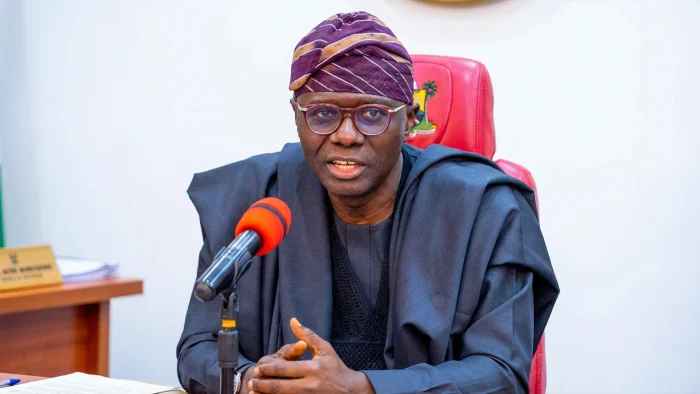
Lagos State Governor, Babajide Sanwo – Olu, has called for stronger collaboration among governments, investors, development partners and the private sector, saying no single institution has the capacity to finance Africa’s growing development needs.
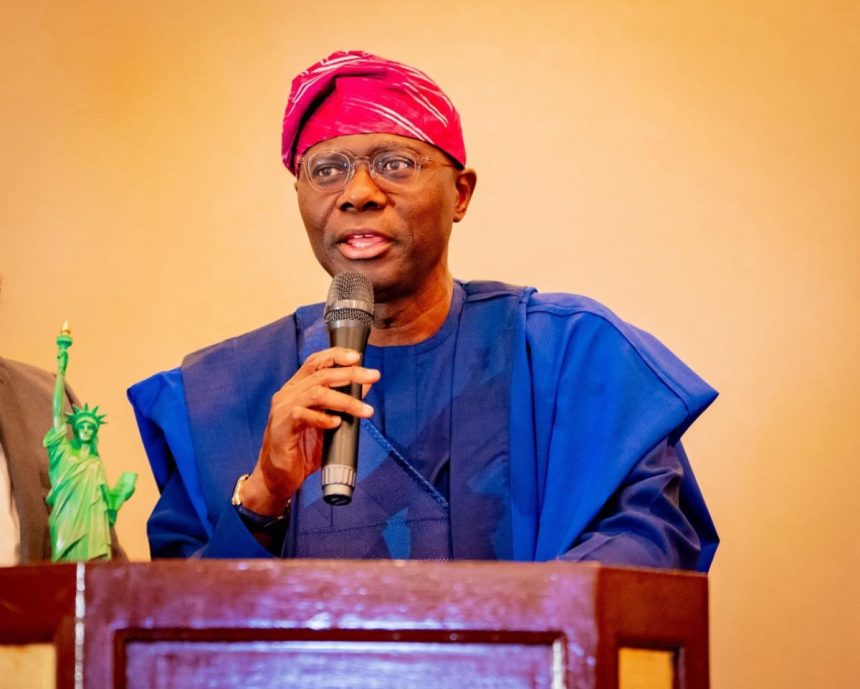
Eko Hot Blog reports that the governor made the call on Wednesday at the opening of the 2026 Africa Social Impact Summit (ASIS) in Lagos. He was represented by the Deputy Governor, Dr Obafemi Hamzat.
EDITOR’S PICK
- What Iya Teaches Africa About Single Motherhood
- SAN Oyinkansola Badejo-Okusanya Emerges New NBA President
- Tenant Docked for Alleged Structural Changes to Rented Flat in Lagos
The summit, organised by the Sterling One Foundation in partnership with the United Nations, focused on the theme, “Financing for Development: Building Resilience and Transforming Emerging Economies.”
Addressing participants, Sanwo-Olu said Africa already knows the sectors that require urgent investment, including infrastructure, healthcare, education, agriculture, clean energy, technology, housing and climate resilience.
According to him, the real challenge is raising enough capital to finance development at the scale required.
“Africa’s annual financing gap for the Sustainable Development Goals runs into hundreds of billions of dollars, far beyond what government budgets can provide. No single institution can finance Africa’s future, but together, we can,” he said.
The governor noted that governments alone can no longer shoulder the continent’s development burden, stressing that countries making the greatest progress are those leveraging partnerships with development finance institutions, multilateral organisations, philanthropic groups and private investors.
He urged African countries to deepen their capital markets, improve tax administration, mobilise pension and diaspora funds and create stable regulatory environments capable of attracting long term investments.
Sanwo-Olu said Lagos has continued to adopt partnership driven financing models to expand transport infrastructure, strengthen healthcare and education, promote digital innovation, improve climate resilience and create economic opportunities for residents.
He also highlighted the opportunities presented by the transition to a green economy, noting that renewable energy, sustainable transport, climate smart agriculture, waste recycling and resilient infrastructure could unlock significant economic growth across the continent.
According to him, the Lagos State Government’s THEMES Plus Agenda aligns with these priorities by focusing on transportation, healthcare, education, technology, environmental sustainability, security, governance and inclusive economic development.
The governor added that resilience cannot be achieved without financial inclusion, noting that millions of Africans, particularly women, young entrepreneurs and small businesses, still lack access to affordable finance.
Earlier, Chief Executive Officer of Sterling One Foundation, Olapeju Ibekwe, described the summit as a platform for mobilising partnerships, attracting impact investments and promoting policies that accelerate development across Africa.
Chairman of the summit, Prof. Oyebanji Oyeyinka, said sustainable financing remains critical to industrialisation, infrastructure development and innovation, warning that Africa risks deeper poverty if it fails to invest in productive sectors capable of creating jobs.
He stressed that manufacturing remains the engine of economic growth and urged African leaders to pursue policies that support industrialisation and value addition.
Also speaking, the United Nations Resident Coordinator in Nigeria, Malik Ford, represented by Muriel Mafico of the United Nations Population Fund, said the decisions taken by African leaders today would shape the future of generations to come.
He described the summit as an opportunity to build stronger and more resilient systems capable of supporting sustainable development across the continent.