- Shettima led a delegation to Benin to study its industrial textile model
- The visit aims to support Nigeria’s textile and agro-industrial development
- Officials will explore investment, technology and skills transfer opportunities
Vice President Kashim Shettima has departed Abuja for the Republic of Benin on a working visit aimed at exploring strategies for revitalising Nigeria’s textile industry.
According to a statement issued on Thursday by the Vice President’s Senior Special Assistant on Media and Communications, Stanley Nkwocha, Shettima is leading a delegation comprising six state governors and senior government officials to study the Glo-Djigbé Industrial Zone (GDIZ), a major agro-industrial hub near Cotonou, Eko Hot Blog gathered.
EDITOR’S PICK
- 175th Kayokayo Festival Grand Finale: Epe Celebrates 175 Years of Faith, Heritage, Unity and Prosperity
- Wale Raji Reaffirms Commitment at KayoKayo Finale
- India: Massive Garbage Heap Collapse Kills Nine Workers at Waste-to-Energy Plant.
The delegation is expected to engage officials of the Beninese government, investors and private-sector operators managing the 1,640-hectare industrial zone, which integrates cotton processing, textile production and garment manufacturing from raw materials to finished products for export.
Governors accompanying the Vice President include Hope Uzodimma (Imo), Dauda Lawal (Zamfara), Caleb Mutfwang (Plateau), AbdulRahman AbdulRazaq (Kwara), Dikko Radda (Katsina) and Umar Namadi (Jigawa).
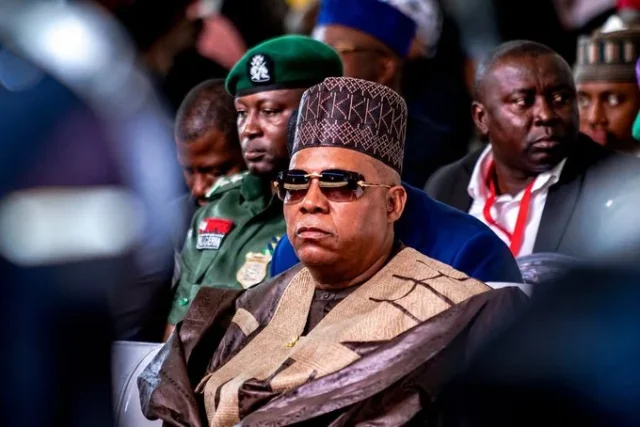
Nkwocha said the visit is intended to support the implementation of Nigeria’s Special Agro-Industrial Processing Zones (SAPZ) Programme by examining how the Benin model can be replicated to strengthen agro-industrial development, particularly in textile production.
He noted that the African Development Bank is already supporting plans to establish a garment-training centre under the SAPZ programme in Ogun State.
According to the statement, the study tour comes as the Federal Government intensifies efforts to revive Nigeria’s textile sector, which has experienced years of declining local production, factory closures and increased competition from imported fabrics and garments.
Nkwocha added that the delegation will assess ways to strengthen the entire textile value chain by improving collaboration among cotton farmers, ginneries, textile manufacturers, fashion businesses and export markets.
He said such reforms could boost local production, reduce import dependence, conserve foreign exchange and create jobs.
The delegation will also study how the industrial zone has attracted investment, developed infrastructure, enhanced workforce skills and promoted export-oriented manufacturing.
The visit is expected to explore opportunities for technology transfer, industrial training, modern equipment, reliable power supply and stronger public-private partnerships to improve the competitiveness of Nigeria’s textile industry.
Nkwocha said the initiative aligns with President Bola Tinubu’s Renewed Hope Agenda, which prioritises industrial growth, economic diversification, agricultural development, job creation and increased non-oil exports.
FURTHER READING