- Ahmad Gumi urged dialogue with Boko Haram and bandits
- He compared the approach to talks held with Niger Delta militants
- The cleric said negotiations could help reduce violence in northern Nigeria
Islamic cleric Ahmad Gumi has questioned why Nigerian authorities have not held direct talks with Boko Haram insurgents and armed bandits, drawing comparisons with the engagement that led to peace efforts in the Niger Delta.
In a Facebook post on Saturday, Eko Hot Blog gathered that Gumi recalled that former President Goodluck Jonathan and former Vice President Yemi Osinbajo visited Niger Delta militants during periods of unrest and later introduced programmes aimed at reducing violence in the region.
EDITOR’S PICK
- Tinubu Approves Army Expansion, Recruitment of 28,000 Personnel
- Aregbesola Claims Record as First Nigerian Governor to Serve Eight Years Without Owning a House
- Ikosi-Ejinrin LCDA Commissions Fully Equipped NSCDC Divisional Headquarters, Donates Patrol Vehicle and Motorcycle to Boost Security
According to him, those visits contributed to the development of initiatives that helped calm militancy in the oil-producing region.
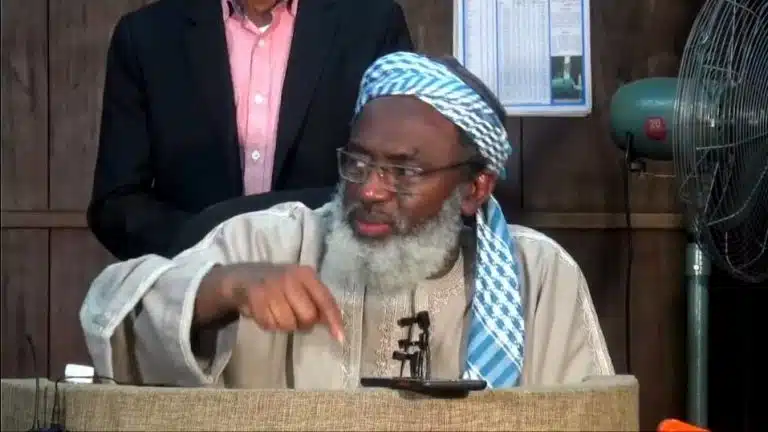
Gumi argued that similar dialogue has not been extended to armed groups operating in northern Nigeria. He also questioned who would be willing to initiate such engagement without facing criticism from the public.
For years, the cleric has advocated negotiations with armed groups in the North-West and North-East. He has visited bandit camps in states such as Zamfara, maintaining that dialogue offers a better path to peace than relying solely on military operations.
His approach has remained controversial. Critics accuse him of giving legitimacy to criminal groups responsible for kidnappings and violent attacks, while supporters argue that his efforts have contributed to the release of some abducted victims.
Gumi has repeatedly rejected allegations of supporting terrorism, insisting that his calls for dialogue are intended to reduce violence and encourage rehabilitation.
The Niger Delta Amnesty Programme was introduced in 2009 under the late President Umaru Yar’Adua and continued during Jonathan’s administration. The initiative encouraged thousands of militants to surrender their weapons in exchange for vocational training, financial support and reintegration, leading to a decline in attacks on oil facilities.
Jonathan had earlier engaged ex-militant leader Government Ekpemupolo, popularly known as Tompolo, during his time as vice president. He later said the meeting helped lay the foundation for the amnesty programme.
Osinbajo also visited communities in the Niger Delta as acting president in 2017, where he met with militants and traditional rulers, arguing that dialogue was necessary to address the concerns of residents in the region.
FURTHER READING