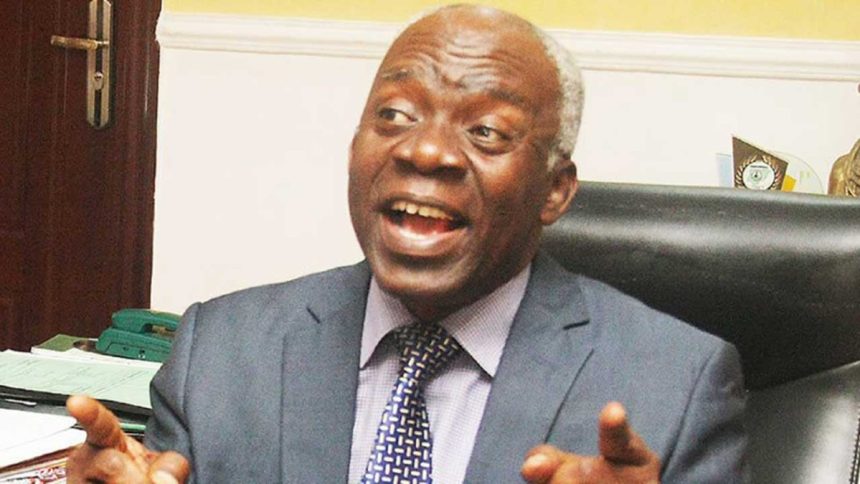
- Falana called for sanctions on South African firms
- He condemned attacks on Nigerians in South Africa
- He urged Nigeria to strengthen legal and diplomatic action
Human rights lawyer and Senior Advocate of Nigeria, Femi Falana, has called on the Federal Government to impose economic sanctions on South African companies operating in Nigeria in response to repeated xenophobic attacks against Nigerians living in the country.
Speaking with journalists in Ilawe-Ekiti, Eko Hot Blog reports that Falana said diplomatic protests alone would not compel South Africa to take decisive action against attacks on Nigerians and the destruction of their businesses.
EDITOR’S PICK
- APC Youth Wing Opens Applications for 2026 Zacch Adedeji Taxation, Fiscal Policy Fellowship
- ‘Make Him President, Let’s See If Nigerians Become Millionaires’ – Presidency Mocks Obi
- Super Falcons Shift Focus to Zambia Clash After Malawi Defeat
He argued that Nigeria should adopt a stronger response guided by the principle of reciprocity in international relations.
While suggesting that the Federal Government could petition the African Union over the incidents, Falana expressed doubt that such a move would produce meaningful results, noting South Africa’s considerable influence within the continental body.
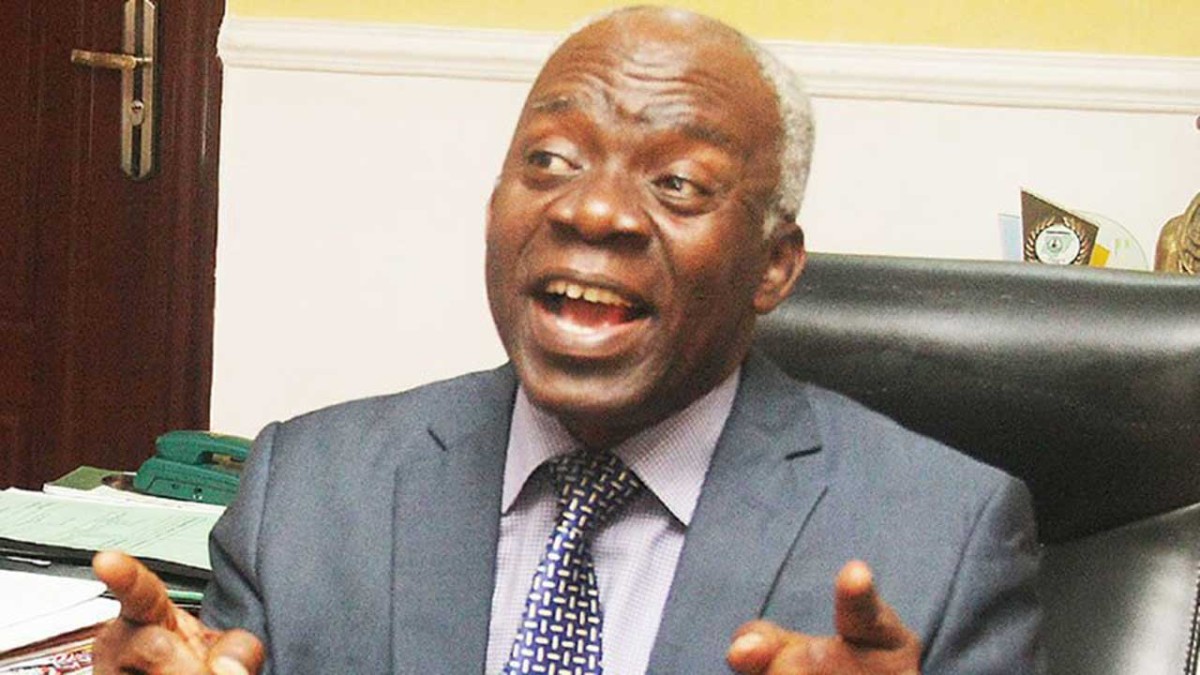
According to him, any complaint before the African Union could end with resolutions that lack effective enforcement.
Falana maintained that Nigeria must take practical steps if its citizens continue to face attacks and the destruction of their businesses in South Africa.
He urged Nigerians to consider switching to alternatives where available instead of patronising South African-owned companies, including telecommunications operator MTN, saying such action would send a clear message to South African authorities.
The senior lawyer said the government should also explore economic measures against South African investments in Nigeria where necessary.
Drawing a historical comparison, Falana recalled that Nigeria nationalised British Petroleum’s assets during the apartheid era in South Africa, arguing that similar measures could be considered if the situation deteriorates.
He also called on the Federal Government to grant Nigerians direct access to the African Court on Human and Peoples’ Rights by depositing the required legal instruments.
According to him, if Nigerian citizens had access to the continental court, victims of xenophobic attacks could institute legal action against South Africa, just as individuals can seek justice before the ECOWAS Court.
Falana urged the government to act without delay, stressing that victims of serious human rights abuses across Africa should have the opportunity to pursue justice through the African Court.
FURTHER READING