- Typhoon Dolphin forced thousands of residents to evacuate in southwestern Japan
- More than 500 flights were cancelled as the storm approached
- Authorities warned of flooding, strong winds and dangerous waves
Hundreds of thousands of residents in southwestern Japan have been ordered to evacuate as Typhoon Dolphin approaches the region, bringing powerful winds, heavy rainfall and dangerous sea conditions.
Eko Hot Blog gathered that Japan Meteorological Agency (JMA) said on Friday that the Category 1 storm was moving slowly toward the island chain between Kyushu and Okinawa.
EDITOR’S PICK
- APC Youth Wing Opens Applications for 2026 Zacch Adedeji Taxation, Fiscal Policy Fellowship
- ‘Make Him President, Let’s See If Nigerians Become Millionaires’ – Presidency Mocks Obi
- Super Falcons Shift Focus to Zambia Clash After Malawi Defeat
The typhoon was packing sustained winds of up to 144 kilometres per hour, with gusts reaching 198 kilometres per hour.
Authorities issued evacuation orders for nearly 260,000 people across Kagoshima and Okinawa prefectures as the storm threatened to intensify.
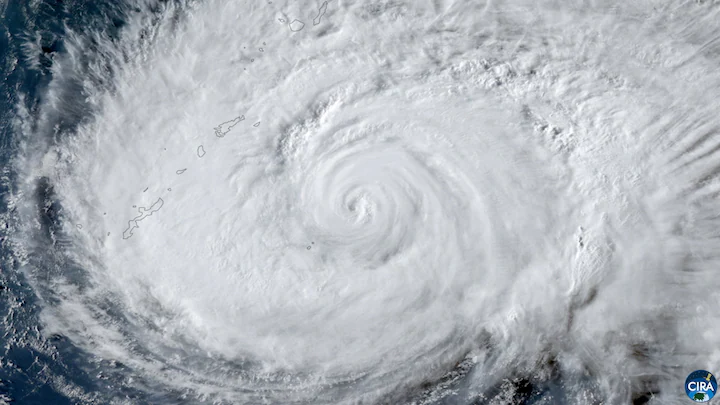
The severe weather also disrupted transportation, with more than 500 flights cancelled. Automaker Toyota temporarily suspended operations at nine factories on Friday due to the approaching typhoon.
Weather officials warned that Dolphin is expected to retain its strength as it nears Okinawa, increasing the likelihood of destructive winds capable of damaging buildings. Forecasters also cautioned that a linear rain band could form, raising the risk of flash floods and other weather-related hazards.
The storm’s impact is being felt across much of Kyushu, including Kumamoto Prefecture, which is still recovering from a magnitude 7.1 earthquake that struck last week.
Around 6,700 people in Kumamoto remain in evacuation centres after the earthquake destroyed numerous homes.
In addition to the storm, the weather agency warned residents to prepare for extreme heat, with temperatures forecast to climb as high as 36 degrees Celsius in some areas.
FURTHER READING