- Fresh petrol and diesel cargoes have arrived at major coastal terminals in Lagos and Warri.
- Increased supplies could improve short-term product availability across the downstream market.
- Nigerians are still expecting a significant reduction in pump prices as more cargoes arrive.
Fresh cargoes of petrol and diesel have arrived at major coastal terminals in Lagos and Warri, raising expectations that increased product availability could eventually translate into lower fuel prices for Nigerian consumers.
Eko Hot Blog reports that the latest tanker movement report monitored by Petroleumprice.ng showed that several vessels carrying petrol and diesel had either discharged their cargoes or were scheduled to berth at terminals across Lagos and Warri.
EDITOR’S PICK
- How Lagos Achieved 57.4% Exclusive Breastfeeding Rate
- Shaibu Lists Nigeria’s Biggest Security Challenges
- Vote, Protect Your Mandate, Governor Adeleke Urges Residents Ahead of August 15 Polls.
Lagos remained the busiest receiving hub, with vessels scheduled to berth at the Petroleum Wharf Apapa, Stockgap, Ibafon, Rain Oil and other terminals.
Among the vessels was Bora, which arrived on August 12 carrying 20,000 metric tonnes of petrol. The vessel was scheduled to load at the Dangote Petroleum Refinery before discharging at Stockgap in Port Harcourt, with Pivot Energy listed as the receiver.
Another vessel, LIAN XI LU, carrying 33,000MT of petrol, arrived on August 12 and was scheduled to berth at AIPEC. Glencore and Bono were listed as receivers.
ST Lady Doyin, carrying 37,000MT of petrol, arrived on August 10 and berthed at Bovas two days later. The vessel is expected to discharge part of its cargo, with the balance also going to Bovas.
At Pinnacle, Brands Hatch, carrying 61,000MT of petrol, arrived on August 11 and berthed the following day. BP Oil was listed as the receiver.
Warri also recorded fresh petrol supplies. Princess Oge, carrying 15,000MT of petrol, arrived on August 10 and berthed at RainOil on August 11. The cargo was loaded at the Dangote refinery.
Matrix Pride, another petrol vessel carrying 15,000MT, arrived on August 5 and was scheduled to berth at Matrix, with Matrix Energy listed as the receiver.
The influx was not limited to petrol, as several vessels carrying diesel also arrived at Lagos terminals.
Bise, carrying 13,000MT of diesel, arrived on August 11 and was discharging at the Petroleum Wharf Apapa, with NIPCO as the receiver.
ELLIE M II, carrying 11,000MT of diesel, arrived on August 10 and was scheduled to berth at Ibafon. The cargo was loaded at the Dangote refinery and is being received by 2015 Petroleum and Bucoh Energy.
Oluwajuwonlo, carrying 20,000MT of automotive gas oil, arrived on August 10 and berthed at Rain Oil on August 12. The vessel was reportedly loaded at Sabeck.
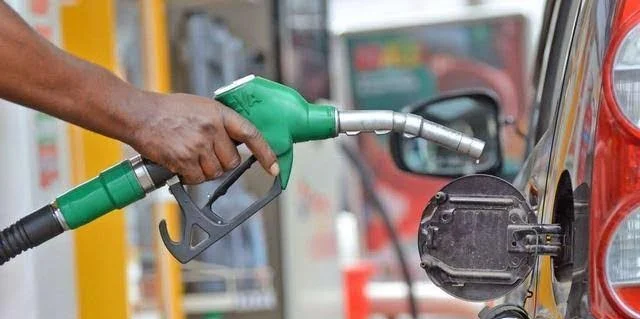
Also, ST WALGA, carrying 20,000MT of diesel, arrived on August 12 and is expected to load at the Dangote refinery before discharging at AA Rano in Lagos.
Hudson, carrying 20,000MT of diesel and 5,000MT of aviation turbine kerosene, is also expected to load at the Dangote refinery before discharging at Emadeb.
Fresh LPG supplies are also entering the Lagos market.
Alfred Temile, carrying 13,000MT of LPG, was loaded at the Nigeria LNG facility in Bonny and berthed at Bulk Oil Petroleum on August 11. NNPC is the receiver. The vessel is expected to discharge 6,000MT before moving to Navgas for the remaining cargo.
Eco Arctic, carrying 8,000MT of LPG, also berthed at Navgas on August 10 and commenced discharging.
The arrival of the new cargoes is expected to strengthen short-term supplies of petroleum products and could ease pressure on the downstream market.
However, increased supply does not automatically translate into an immediate reduction in pump prices. Depot prices remain influenced by replacement costs, international crude oil prices, exchange rates, logistics expenses and other market factors.
The ongoing crisis in the Middle East has also remained a major factor affecting global energy prices and the cost of imported commodities.
For Nigerian motorists, the key question is whether the growing volume of petroleum products entering the country will eventually result in cheaper petrol and diesel.
With more cargoes arriving and marketers replenishing their inventories, consumers are hoping that increased availability will create room for a downward adjustment in fuel prices in the coming days.
FURTHER READING