- The Federal Government is planning a new survey on illegal weapons
- The exercise will update data collected in 2016
- Ribadu said accurate data is vital to fighting insecurity
The Federal Government is preparing to conduct a fresh national survey on the circulation of illicit small arms and light weapons, nearly 10 years after Nigeria carried out its first baseline assessment in 2016.
Eko Hot Blog gathered that the planned exercise was announced on Wednesday in Abuja during a workshop organised by the National Centre for the Control of Small Arms and Light Weapons to examine the findings and lessons from the 2016 survey.
EDITOR’S PICK
- Osun Election: INEC Reports 94.5% Polling Units Opened on Time
- THEDSF Visits Alara of Ilara Kingdom, Seeks Royal Support for Youth Mobilisation
- Super Falcons Miss Women’s World Cup for First Time
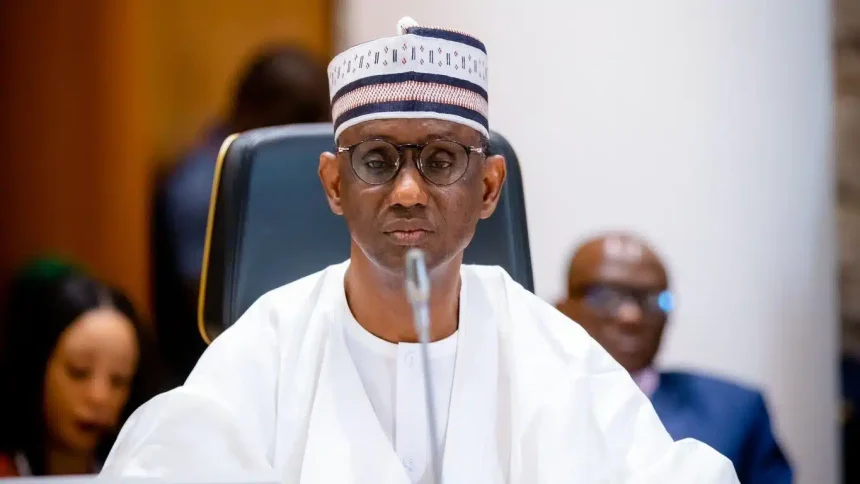
Representing National Security Adviser Nuhu Ribadu at the event, the Director of External Affairs in the Office of the National Security Adviser, Solomon Fehintola, said the widespread availability of illegal weapons remained closely connected to many of the security challenges confronting Nigeria.
He explained that illicit arms were being used by bandits in the North-West, contributing to farmer-herder conflicts in the North-Central and strengthening criminal groups in urban areas. He also linked the proliferation of such weapons to the activities of terrorist organisations operating in the North-East.
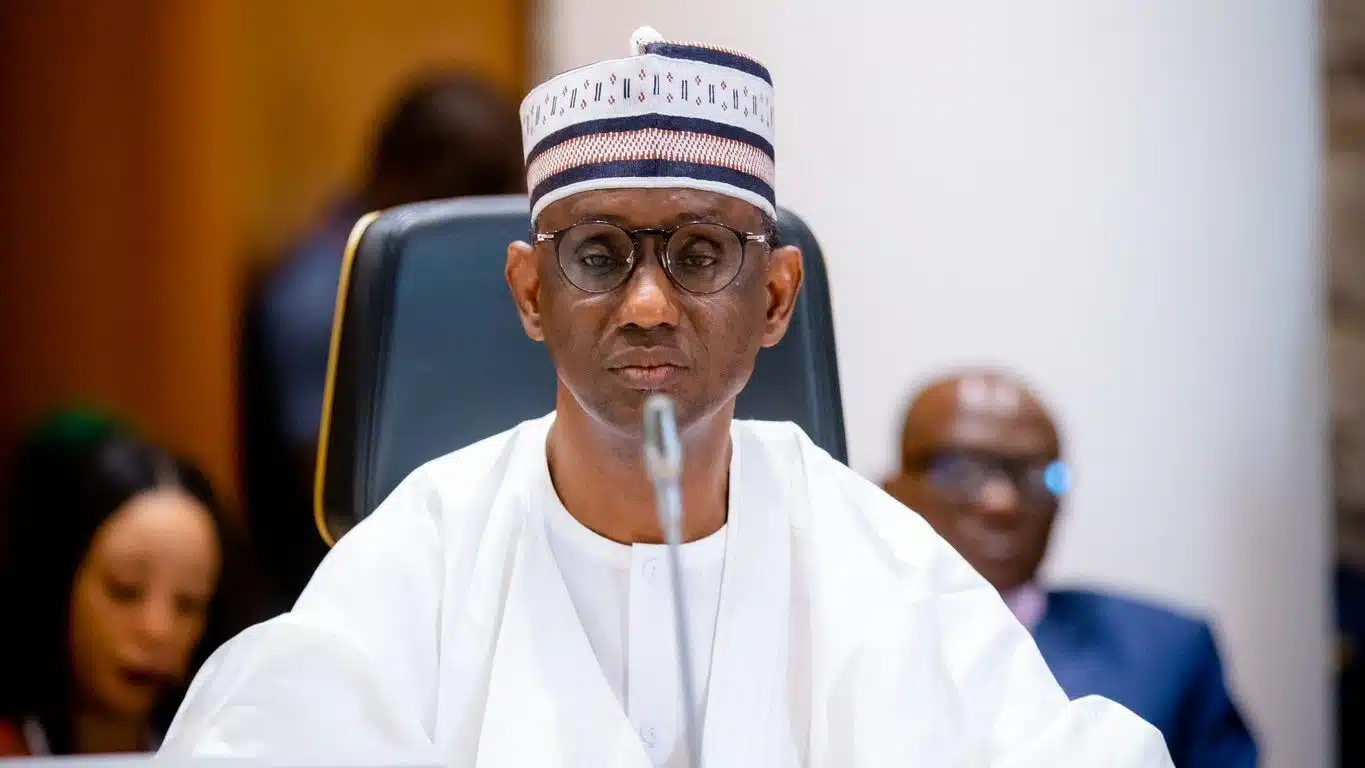
Ribadu stressed that the government needed reliable and current information to effectively address the problem, arguing that security policies could not continue to rely on assumptions.
He said an updated national assessment would provide authorities with a clearer understanding of the movement of illegal weapons within Nigeria and across its borders. Such information, he added, would help security agencies design better strategies for controlling arms proliferation and implementing disarmament programmes.
The NSA also called for the new survey to involve a wide range of stakeholders rather than being handled solely by security institutions. He identified state and local governments, traditional and religious leaders, civil society organisations and local communities as important sources of information for the exercise.
According to him, their involvement would provide a broader picture of the illegal arms situation and ensure that information from communities affected by violence was captured.
The Director and Deputy High Representative of the United Nations Office for Disarmament Affairs, Adedeji Ebo, said the findings from the 2016 survey could no longer provide an adequate picture of Nigeria’s present security situation.
Ebo noted that the country had undergone significant changes over the past decade, with new forms of criminality emerging and existing threats evolving. He therefore argued that relying on data collected in 2016 would make it difficult for authorities to accurately assess the current scale and distribution of illicit weapons.
He further warned that the new exercise must be carefully designed to produce credible results. According to him, the selection of communities and respondents must be scientifically sound, while personnel involved in collecting information should receive proper training and adequate protection.
Ebo also emphasised the need to include groups whose experiences may not be reflected in government records. He listed traditional and religious leaders, women and youth groups, farmers, fishers, artisanal workers and survivors of armed violence among those who could provide valuable information.
He said excluding such groups could leave significant gaps in the final assessment because many communities possess first-hand knowledge about weapons trafficking and armed violence.
The Director-General of the NCCSALW, retired Deputy Inspector-General of Police Johnson Kokumo, said the country’s security environment had changed significantly since the first survey was conducted.
Kokumo said the nature of armed violence had shifted, while criminal groups had adopted new methods and trafficking networks had adjusted their routes and operations. He added that illicit weapons now intersect with a wide range of political, economic, social and environmental challenges.
He described the 2016 baseline survey as an important foundation for Nigeria’s efforts to control small arms and light weapons. The exercise, he noted, contributed to the development of national policies and supported the eventual establishment of the NCCSALW.
Kokumo said the new survey would build on the lessons from the earlier exercise while providing updated information needed to respond to present-day security threats.
The planned assessment is expected to give the government a clearer understanding of the country’s illicit arms landscape and strengthen efforts to curb the weapons fuelling insecurity across Nigeria.
FURTHER READING