More than three years later, the policy remains one of the most controversial economic reforms of the administration.
The subsidy removal immediately pushed petrol prices higher, triggering increases in transportation, food, production and household expenses. While the government says the reform has released huge resources for development, many Nigerians continue to question when the promised benefits will become visible.
EDITOR’S PICK
- Tinubu Directs Installation of 3,700 Telecom Towers Across Nigeria
- Alara of Ilara Praises Sanwo-Olu, LASU Staff’s Dedication To Progress
- Burna Boy, Tems Bag Nominations at 2026 MTV VMAs
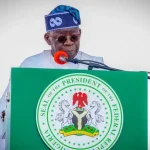
President Tinubu has maintained that ending the subsidy was unavoidable. According to him, the policy had become too expensive for a country struggling with weak revenues and growing financial obligations.
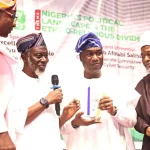
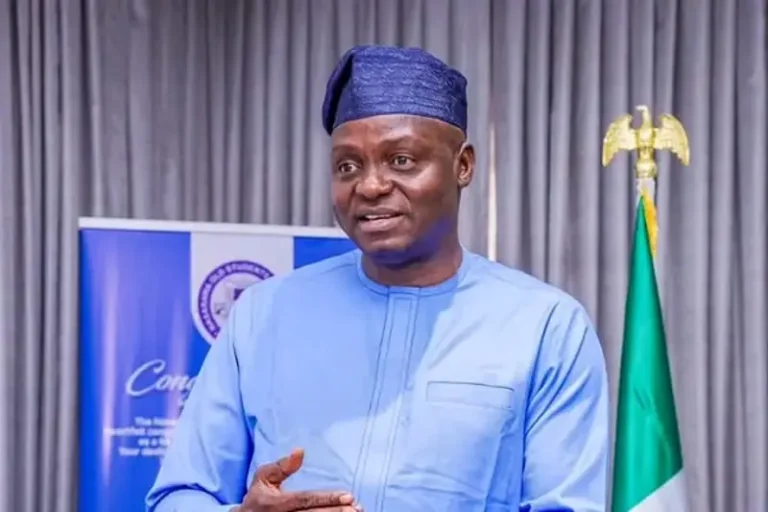
Speaking at the Presidential Villa after receiving Osun State Governor Ademola Adeleke, Tinubu recently criticised the proposal by one of his political opponents to restore petrol subsidy.
“I saw one of my opponents now say he will go back to subsidy. I read it. That is a demonstration of serious ignorance on governance and economy,” the President said.
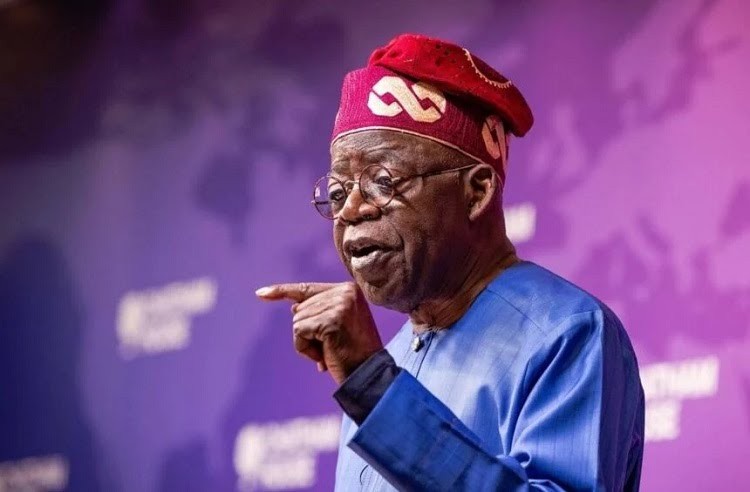
Tinubu argued that before he assumed office, 27 states were struggling to meet their salary obligations and depended heavily on federal support. He said the resources made available through the reforms could instead be used for roads, housing, schools, healthcare, teacher training and other services.
The President had earlier said the removal of subsidy averted an impending national bankruptcy and created the foundation for economic recovery.
The Federal Government has backed its argument with financial figures. Finance Minister and Coordinating Minister of the Economy, Taiwo Oyedele, said subsidy removal generated N15.8 trillion in resources for the federation between June 2023 and December 2025.
Oyedele explained that the amount was not deposited into a separate account bearing the label “subsidy savings.” Rather, the removal increased the resources available within the federation’s broader fiscal system.
However, former Vice President and African Democratic Congress presidential candidate, Atiku Abubakar, believes the reform has placed an excessive burden on Nigerians.
Atiku has promised to introduce a targeted, capped and transparent subsidy system if elected president in 2027. His proposal differs from the previous arrangement, as he wants government support linked to domestic refineries and local production in an effort to reduce petrol costs while strengthening Nigeria’s refining capacity.
The former vice president has also demanded greater transparency over the savings attributed to subsidy removal. He argues that Nigerians have yet to see sufficient evidence that the additional resources have translated into improved living conditions.
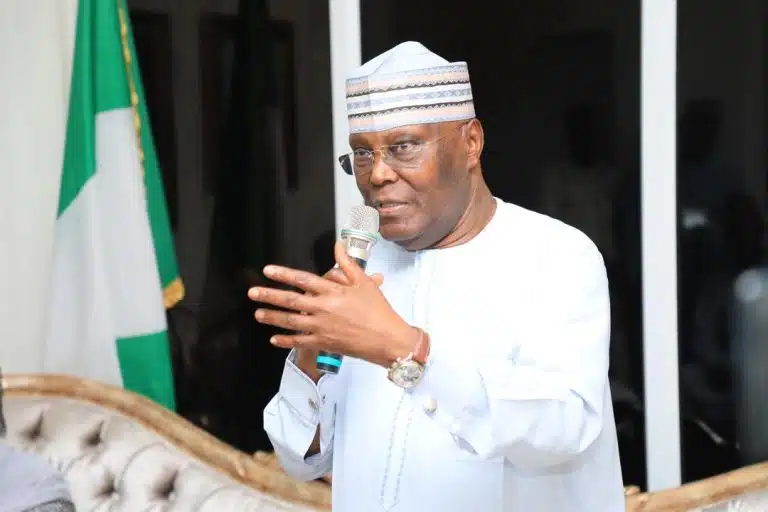
Atiku has questioned why government intervention should be acceptable when it supports major petroleum investors but be rejected when aimed at protecting ordinary Nigerians from rising living costs.
“You cannot subsidise capital and criminalise relief for citizens,” he said, arguing that government policies should provide protection for both investors and households.
The Federal Government and the ruling All Progressives Congress have rejected Atiku’s proposal.
APC National Chairman Nentawe Yilwatda described the call to restore subsidy as a “deeply troubling policy U-turn”, arguing that the proposal failed to explain how another subsidy programme would be financed.
Yilwatda said Nigeria could not afford to return to a system that placed enormous pressure on government finances.
“Economic policy cannot be reduced to election-season promises,” he said, insisting that Nigerians deserved to know where the money for the proposed subsidy would come from and whether the arrangement could be sustained.
The APC chairman argued that the hardship associated with subsidy removal should be addressed by strengthening social interventions and productive sectors rather than returning to the previous system.
For the Federal Government, the resources released by the reform have already been put to use.
According to Information Minister Mohammed Idris, the N15.8 trillion generated through subsidy savings increased the resources available to the three tiers of government.
He said approximately N5.43 trillion accrued to the Federal Government, while states and local governments received about N6.52 trillion and N3.88 trillion, respectively.
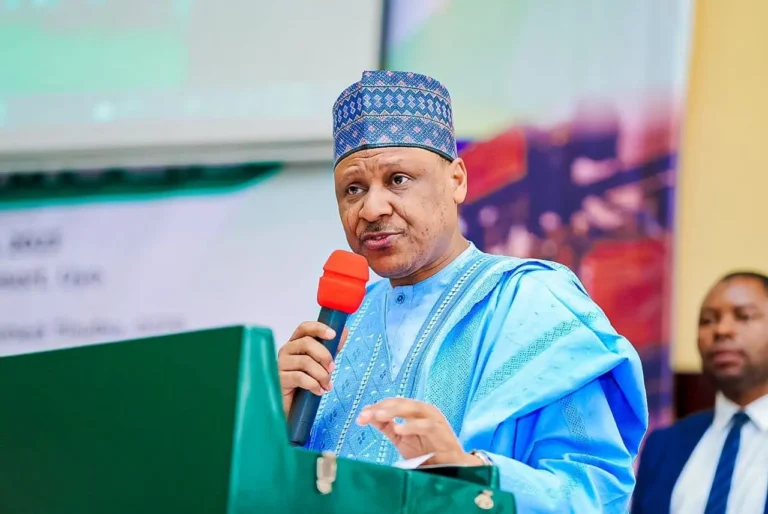
Idris also said the Federal Government had spent about N6.47 trillion on strategic infrastructure, including projects in transport, housing, agriculture and security.
He added that more than 10 million households had benefited from social transfers, while funds had also been committed to student loans, consumer credit and other programmes.
Yet the economic reality for many Nigerians remains difficult.
Transport fares have risen sharply in many parts of the country, while higher logistics and energy costs have contributed to increased prices of food and other essential commodities. Manufacturers have also complained that expensive energy and transportation are weakening their competitiveness.
For ordinary households, the question is therefore not simply how much government has saved but whether those savings have improved their quality of life.
The debate has become even more important as the 2027 presidential election approaches. Tinubu and the APC argue that returning to subsidy would reverse hard-won fiscal reforms, while Atiku and his supporters maintain that government must intervene to protect Nigerians from the severe consequences of the policy.
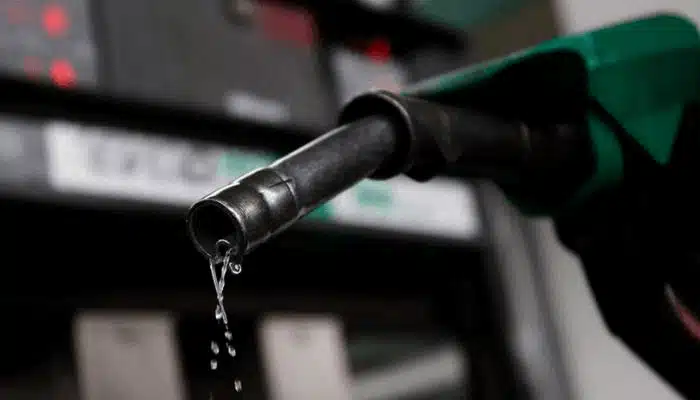
The disagreement reflects two different approaches to economic management. The Tinubu administration wants to redirect public resources away from subsidising petrol consumption towards infrastructure, investment and social programmes.
Atiku’s camp believes government can design a more targeted system that reduces the burden on consumers without recreating the waste associated with the former subsidy regime.
The bigger issue, however, goes beyond the political arguments.
If subsidy removal has genuinely created trillions of naira in additional resources, Nigerians will ultimately expect to see those resources reflected in better roads, affordable transportation, reliable electricity, quality healthcare, improved education, jobs and stronger social protection.
For now, the government can point to increased revenues and investments, while critics can point to the continuing hardship faced by households and businesses.
That leaves Nigeria with the central question at the heart of the subsidy debate: has the country gained more from removing petrol subsidy than Nigerians have lost through the rising cost of living?
The answer may ultimately depend not on the figures announced by politicians, but on whether the resources freed by the reform translate into tangible improvements in the lives of ordinary Nigerians.
FURTHER READING