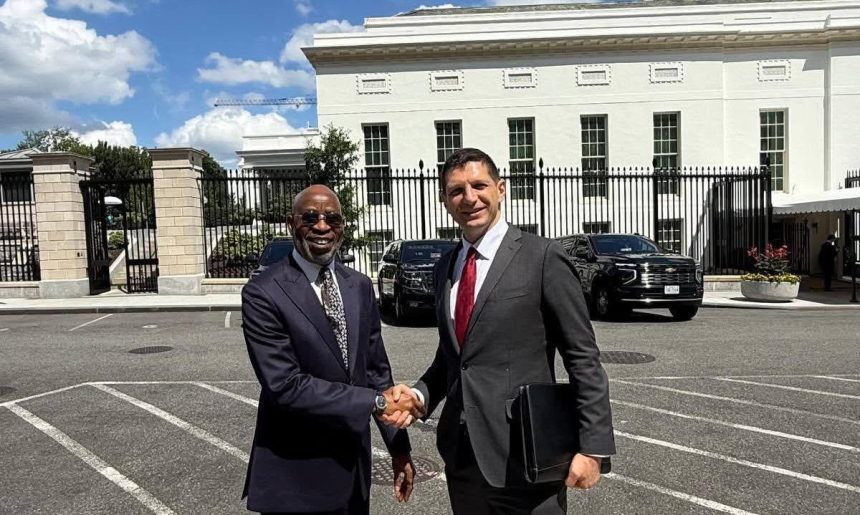
- Alake met US officials at the White House to push a Nigeria-US minerals partnership covering exploration, mining, processing, and refining.
- The trip followed his call at the AfDB Forum in Abidjan for Africa to stop exporting raw minerals and process them locally.
- Both moves reflect a wider Tinubu administration push for local value addition, seen also in the recent Nigeria-Ghana-Côte d’Ivoire-Cameroon cocoa alliance.
The Minister of Solid Minerals Development, Dele Alake, led a delegation to the White House this week to discuss deeper cooperation between Nigeria and the United States (US) on mining and mineral processing.
EKO HOT BLOG reports that the delegation, representing the Nigeria Solid Minerals Company, held talks with David Copley of the US National Security Council and Diana London of the DCI Group.
EDITOR’S PICKS
According to Alake, the discussions centred on building an investment-driven partnership that goes beyond simply extracting minerals for export.
“Our focus is building a real, investment-driven partnership between Nigeria and the United States. We talked about moving beyond simple extraction and working together across the entire supply chain, from exploration and mining to local processing and refining,” Alake said.
He linked the effort directly to President Bola Ahmed Tinubu’s economic diversification agenda, saying the goal was to ensure Nigeria “gets full value from its natural resources while supporting the global shift toward clean energy.”
A message repeated in Abidjan
The Washington meeting came just days after Alake made a similar case at the African Development Bank Ministerial Forum in Abidjan, Côte d’Ivoire, where he urged fellow African ministers to end the continent’s long-standing reliance on raw mineral exports.
“For decades, Africa has exported raw minerals only to import finished products at a premium,” Alake told the forum, adding that “this cycle must end.”
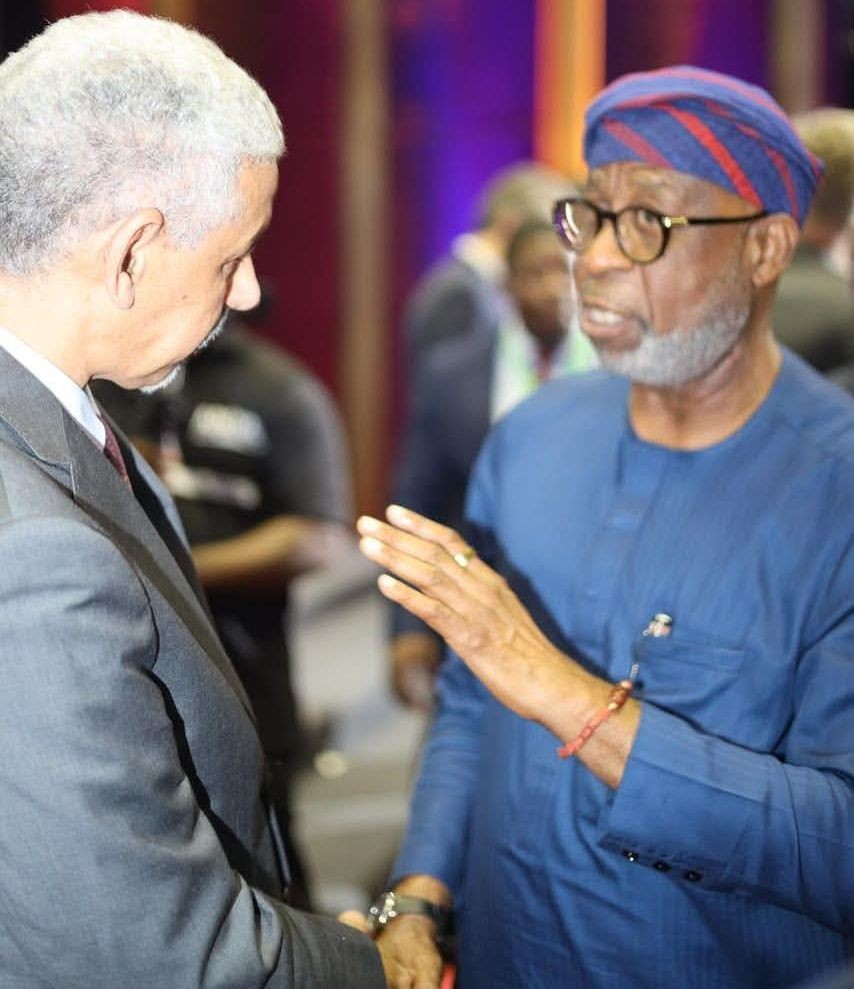
He called for African countries to process more of their mineral resources locally, arguing that doing so would create jobs and strengthen domestic industries. Alake also pushed for African ownership of the data and reporting standards used to value the continent’s mineral wealth, through the Pan African Resource Reporting Code (PARC), saying Africa must “determine the true value of our resources on our own terms.”
The forum adopted the Abidjan Declaration, which Alake described as a commitment to stronger regional cooperation and practical investment, including cross-border processing hubs.
As Chair of the Africa Mineral Strategy Group, he said he remained committed to ensuring Africa’s mineral wealth “creates jobs, grows our economies and delivers lasting prosperity for our people.”
Part of a wider push
Alake’s position is not an isolated one. It reflects a broader pattern within the Tinubu administration, which has increasingly prioritised local processing over raw material exports across sectors.
Weeks before the White House meeting, Nigeria joined Ghana, Côte d’Ivoire and Cameroon in signing the Abuja Declaration, an agreement to end raw cocoa bean exports in favour of local processing.
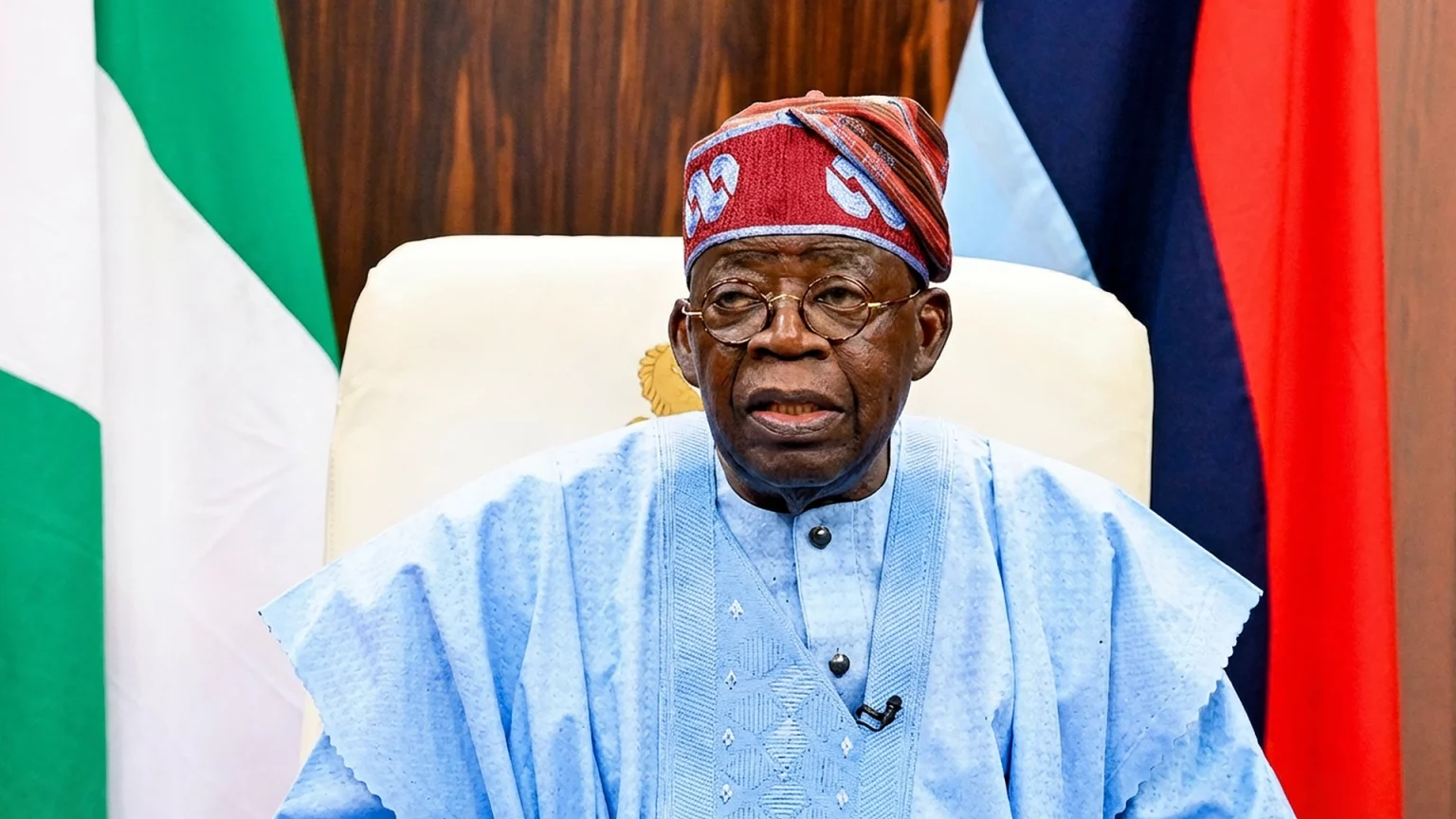
At that summit, President Tinubu, represented by Agriculture Minister Abubakar Kyari, said Nigeria would grind its beans, press its butter and manufacture chocolate domestically, rather than exporting raw cocoa and importing finished chocolate products.
FURTHER READING
Taken together, the cocoa alliance and Alake’s mineral diplomacy point to a consistent policy direction. Whether in Abidjan, Washington or Abuja, the administration’s message has stayed the same: Nigeria intends to move beyond being a source of raw materials and position itself as a producer of higher-value, finished goods.
Click to watch the video of the week below: