- Guatemala has officially agreed to launch joint military strikes with the United States to combat transnational drug cartels operating within its borders.
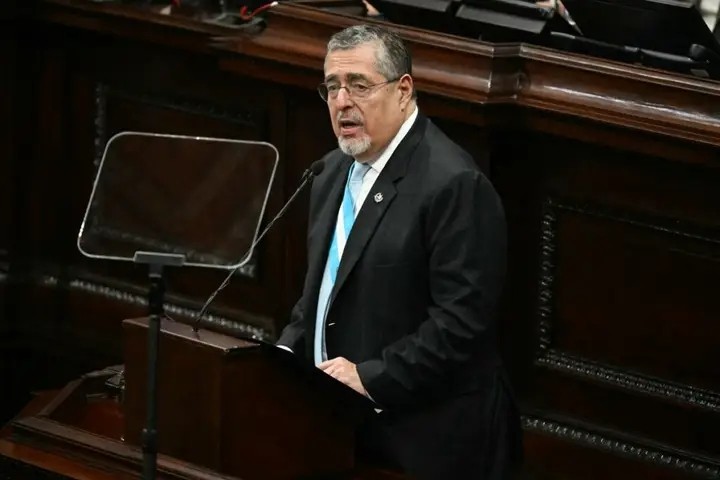
- The strategic pact was finalized during a high-level discussion between Guatemalan President Bernardo Arevalo and US Defense Secretary Pete Hegseth.
- This expansion builds upon ongoing US counter-narcotics maritime operations initiated last year, which continue to generate intense debate regarding international legality.
Guatemala has agreed to conduct joint strikes with the United States against drug traffickers in its territory. The move marks a significant escalation of US President Donald Trump’s administrative crackdown on drug cartels operating out of Latin America.
Guatemalan President Bernardo Arevalo solidified the security agreement during a direct telephone conference with US Defense Secretary Pete Hegseth, following up with a formal written request from the Central American nation’s executive office seeking tactical cooperation in operations led by Guatemalan security forces against entrenched drug trafficking organizations.
EDITOR’S PICK
- Fresh Details Emerge on Death of Odomola Monarch, Oba Adebowale Adeshina
- Sanwo-Olu Applauds LASU’s Academic Excellence After JAMB Ranking
- NRC Moves 176,820 Tonnes Of Cargo Through Lagos Ports In Q1
Beyond the immediate authorization for targeted strikes, officials confirmed that the United States and Guatemala have also committed to secondary military actions to neutralize regional drug gangs, though specific operational details remain highly classified.
This defense alliance directly mirrors existing US military partnerships in South America, notably with Ecuadoran forces under President Daniel Noboa, where joint strikes target cocaine-smuggling guerrillas alongside newly established international FBI offices designed to curb laundering and organized crime.
The expanded security strategy comes amid a broader campaign launched late last year by the Trump administration, which began striking vessels across the Caribbean and eastern Pacific Ocean under the assertion that the US is effectively at war with “narco-terrorists”.
However, the aggressive maritime maneuvers have triggered intense legal debates, as critics point out a distinct lack of definitive evidence linking the targeted civilian boats to international trafficking networks.
Central American nations continue to serve as a high-stakes transit corridor for global cartels, with US intelligence officials estimating that ninety percent of the cocaine reaching the United States passes directly through Central America and Mexico via sophisticated networks of trucks, aircraft, boats, and submarines.
By formalizing this joint military framework, the Guatemalan presidency aims to disrupt the local smuggling cartels that have long fueled severe regional violence and financial corruption.