- BCPG Calls for Mandatory Subsoil Investigations to Avert Building Collapses in Lagos
- The group admits that soil testing is a vital step in construction projects
- Calls for the creation of enforcement teams to monitor fieldwork for effective compliance
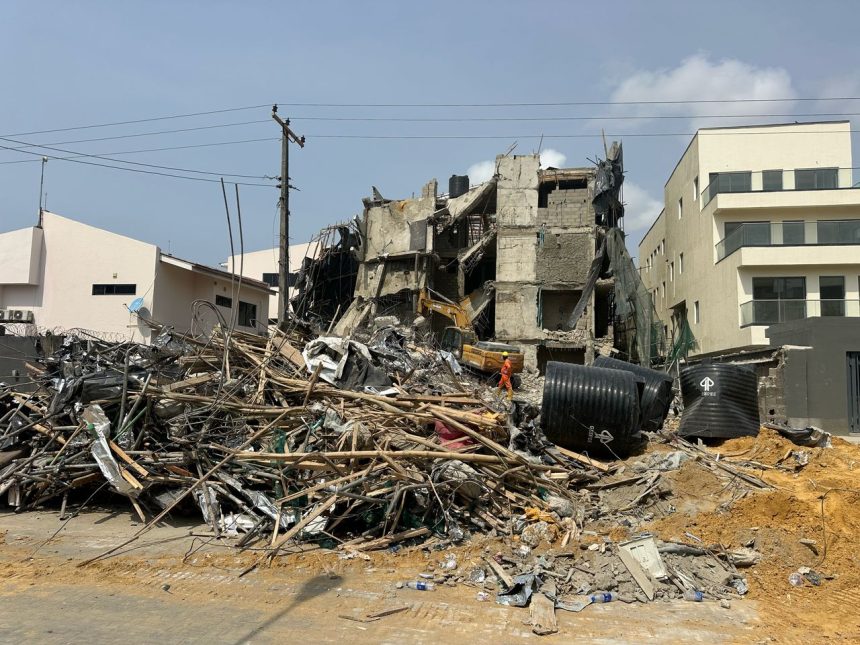
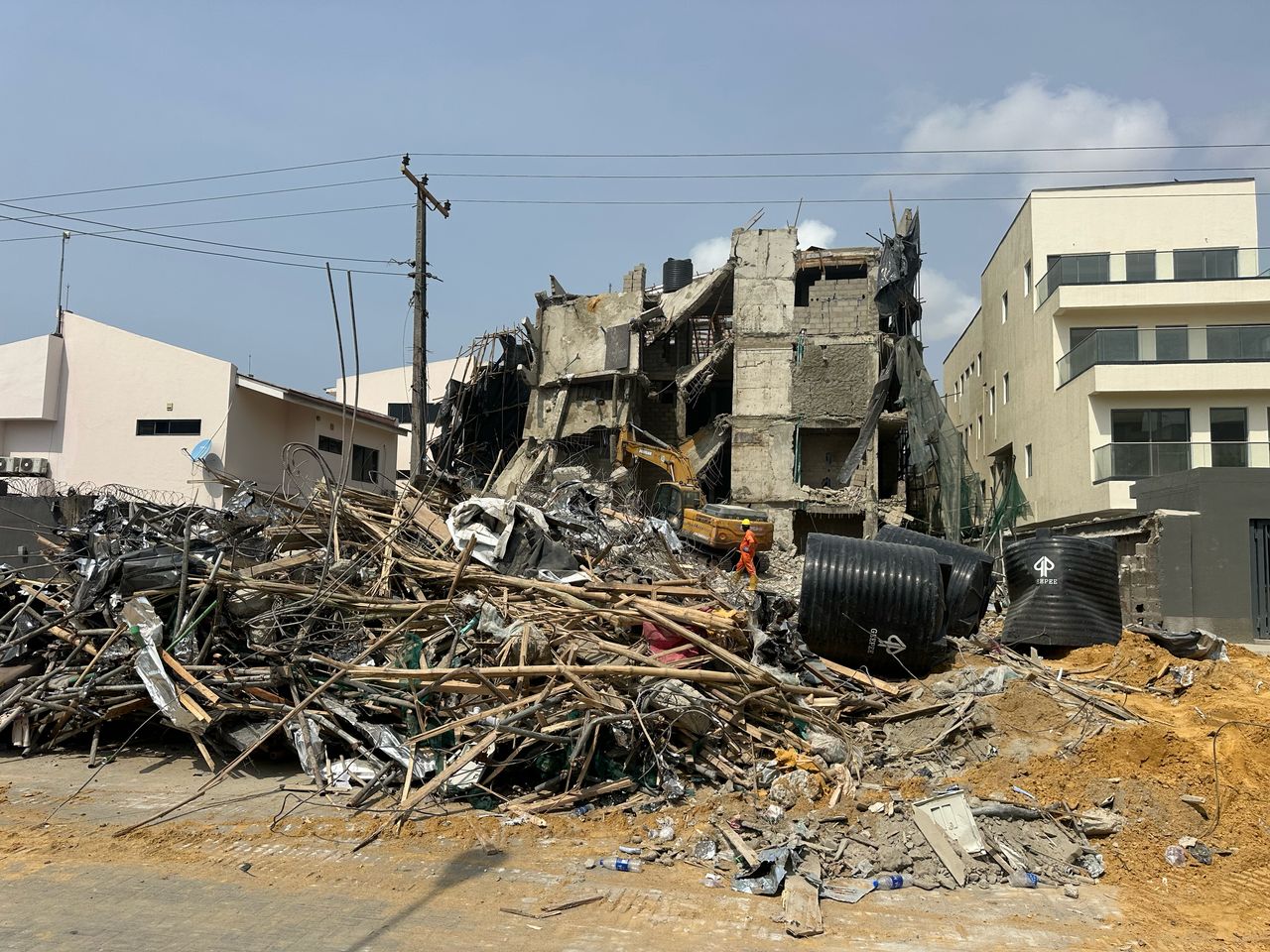
The Building Collapse Prevention Guild (BCPG), Iru Victoria Island Cell, has called for compulsory subsoil investigations in coastal areas to reduce the rising incidents of building collapse.
Eko Hot Blog reports that the group expressed concern over the frequent neglect of proper soil testing in Lagos coastal regions, stressing that such oversight often leads to structural failures.
EDITOR’S PICK
- Oba Clement Haastrup Dismisses Oba-Odo of Ilesa Over Missing Transformer
- Dr. Alausa Highlights Nigeria’s Education Transformation Under Tinubu at Eko Club 25th Anniversary
- ECI @ 25: Alake Showcases Lagos as Fastest-Growing Tech Hub in Africa
Highlighting the geographical reality of Iru Victoria Island Local Council Development Area (LCDA), which is surrounded by the Five Cowrie Creek and the Atlantic Ocean, the guild emphasized that comprehensive geotechnical investigations are crucial for determining the soil’s strength and capacity to support building foundations.
According to BCPG, soil testing is a vital step in construction projects, especially in coastal zones, to prevent collapses caused by weak foundations. A properly executed geotechnical report, it explained, enables engineers to design the most suitable foundation type for any proposed structure.
In a statement signed by Coordinator Adefemi Afolabi (Architect), General Secretary Taiwo Ayanboade (Quantity Surveyor), and Public Relations Officer Wale Oyetayo (Civil/Geotechnical Engineer), the guild warned that the lack of effective regulatory oversight in Lagos State could trigger more collapses.
It further noted that discrepancies between execution costs and contract sums often result in substandard soil tests, an excuse it dismissed as unacceptable.
The group reiterated that ensuring the integrity of soil investigations is critical to safeguarding lives, properties, and investments. While acknowledging efforts already made to improve building control, it maintained that more must be done to strengthen geotechnical practices.
BCPG called for stronger collaboration among government agencies, professional bodies, and stakeholders to enforce standards, build capacity, and promote transparency in soil testing. It also urged stricter evaluation of laboratories conducting critical tests such as Oedometer Consolidation, Atterberg Limit, and Triaxial Compression.
The guild stressed that building plan approval processes should include procedures for verifying soil test reports to curb falsified or copied submissions.
It criticized the Lagos State Materials Testing Laboratory (LSMTL), established in 2006, for competing with private firms in soil testing instead of focusing on its regulatory role. According to the group, this dual role compromises standards in the sector.
BCPG further recommended that Lagos State establish a training school for drillers in partnership with the Nigerian Institution of Geotechnical Engineers, the Nigerian Association for Engineering Geology and the Environment, and other stakeholders.
It also proposed the creation of enforcement teams to monitor fieldwork for effective compliance.
The group concluded that by addressing these challenges and prioritizing professionalism, Lagos State can reduce building collapse risks and set a benchmark for other coastal cities in Nigeria and beyond.
FURTHER READING
- Eko Club International @ 25: Jidda Commend Tinubu’s Commitment to Diaspora Engagement
- Abike Dabiri-Erewa Urges Lagos Diaspora to Key Into Tinubu’s Reforms at ECI @ 25
- Give Fubara Time To Settle, Stop Rushing Him – Elder Statesman Knocks Rivers Assembly
Click here to watch video of the week