- CBN says Nigeria’s net FX reserves have increased from $3bn to $40bn
- Gross external reserves climbed to about $52bn, according to Cardoso
- The CBN governor said the reforms are boosting investor confidence and economic stability
The Governor of the Central Bank of Nigeria (CBN), Olayemi Cardoso, has announced that Nigeria’s net foreign exchange reserves have surged from roughly $3 billion at the beginning of the current economic reforms to about $40 billion, describing the growth as a sign of stronger external liquidity and renewed investor confidence.
Speaking at the BusinessDay CEO Forum in Lagos on Thursday, Eko Hot Blog gathered that Cardoso said the improvement reflects the positive impact of ongoing reforms aimed at stabilising the foreign exchange market.
EDITOR’S PICK
- 175th Kayokayo Festival Grand Finale: Epe Celebrates 175 Years of Faith, Heritage, Unity and Prosperity
- Wale Raji Reaffirms Commitment at KayoKayo Finale
- India: Massive Garbage Heap Collapse Kills Nine Workers at Waste-to-Energy Plant
He also disclosed that the country’s gross external reserves reached approximately $52 billion as of Wednesday.
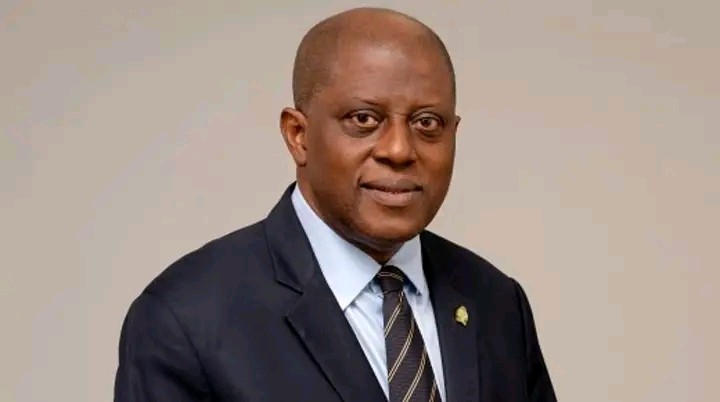
Cardoso recalled that when the reform programme began, Nigeria’s net reserves stood at just over $3 billion, a figure that had triggered widespread concern after it was highlighted in a report by global financial institution J.P. Morgan.
According to him, the significant increase in reserves demonstrates that recent policy measures are helping to rebuild confidence in the economy and strengthen the country’s financial position.
The CBN governor urged business leaders and investors to take advantage of the improved macroeconomic conditions, stressing that economic stability provides the foundation for sustained investment and expansion.
He explained that the objective of the reforms extends beyond stabilising the economy, noting that a stable financial environment encourages capital inflows, drives economic growth and creates long-term prosperity.
Cardoso’s comments come as Nigeria continues implementing reforms designed to improve liquidity in the foreign exchange market, rebuild external reserves and eliminate long-standing distortions in the sector.
He expressed optimism that the gains recorded so far would inspire greater investment from both local businesses and foreign investors, helping to support the country’s economic recovery and future growth.
FURTHER READING