- Dangote Refinery Price Hike Pushes Petrol Closer To ₦1,400
- Dangote refinery and NNPC price hikes push fuel costs higher across Nigeria
- Experts warn prolonged crisis may drive petrol prices beyond ₦1,500
Nigeria’s petrol prices have surged close to ₦1,400 per litre in several regions as global oil market tensions continue to push costs upward, raising fresh concerns over inflation and economic pressure.
EDITOR’S PICKS
- FA Introduces New Rules To Limit Heading In Football
- President Tinubu Has Not Endorsed Any APC Candidate for 2027 – Jandor
- Police Arrest 2 Over Trafficking of Nigerian Woman to Côte d’Ivoire
EKO HOT BLOG reports that the increase followed the prolonged standoff between the United States and Iran, which has disrupted oil supply routes and unsettled global markets. The failure to reach a ceasefire agreement has kept the Strait of Hormuz under pressure, a key route for global oil shipments. At the same time, the reported exit of the United Arab Emirates from OPEC has further heightened uncertainty.
Brent crude prices climbed sharply from $105 per barrel on Monday to $118 by Wednesday, triggering a chain reaction across the downstream sector. In response, the Dangote Petroleum Refinery raised its petrol gantry price from ₦1,200 to ₦1,275 per litre, with coastal supply prices also increasing to ₦1,215.
The price adjustment disrupted supply operations, as the refinery temporarily halted its pro forma invoice system, affecting fuel distribution to marketers.
Meanwhile, the Nigerian National Petroleum Company Limited increased official selling prices for all 37 Nigerian crude grades for May-loading cargoes. Bonny Light crude rose by $6.13 per barrel, adding further pressure on domestic refining costs.
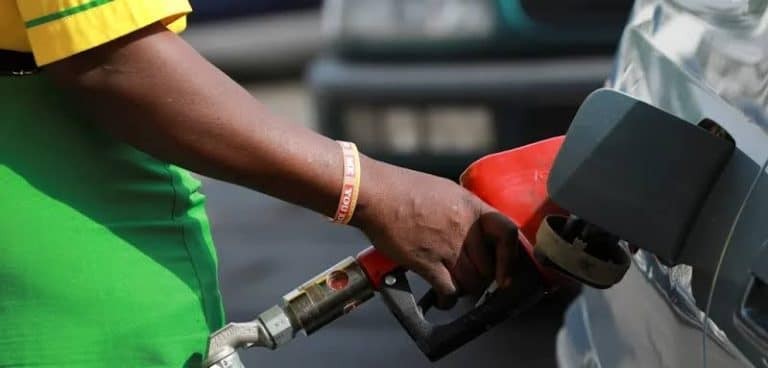
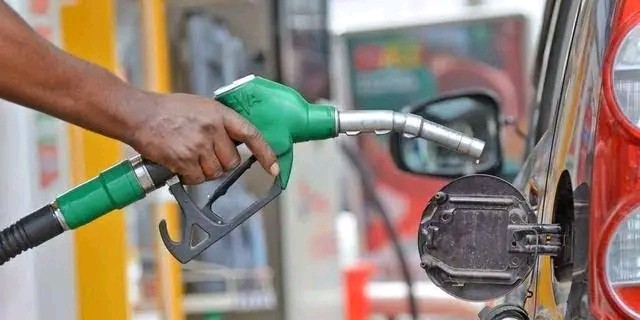
Across the country, filling stations quickly adjusted pump prices. Petrol now sells between ₦1,315 and ₦1,350 per litre in Lagos and Ogun, while northern regions and remote areas have recorded prices nearing ₦1,400. In some border communities, prices have reportedly climbed close to ₦1,700 per litre due to supply constraints.
Industry stakeholders warn that prices may rise further if global tensions persist. The National President of PETROAN, Billy Gillis-Harry, said continued volatility in crude oil prices is making market stability difficult.
He added that Nigeria must strengthen local refining capacity and reduce dependence on international pricing benchmarks to stabilise fuel costs.