- Reps Move To Stop Constant Policy Changes With 50-Year Plan
- Lawmakers say long-term policy will ensure stability and investor confidence
- Bill seeks legal backing to end policy inconsistency across administrations
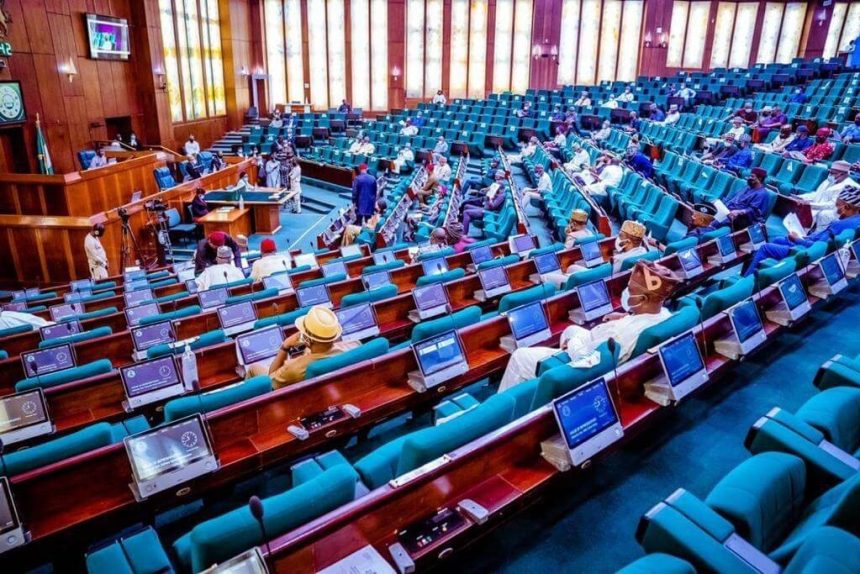
The House of Representatives on Wednesday debated the general principles of a bill seeking to establish a 50-year national economic plan for Nigeria, aimed at providing long-term policy direction and stability.
The proposed legislation, which covers the period 2026 to 2076, was considered during plenary presided over by Deputy Speaker Benjamin Kalu.
EDITOR’S PICKS
- FA Introduces New Rules To Limit Heading In Football
- President Tinubu Has Not Endorsed Any APC Candidate for 2027 – Jandor
- Police Arrest 2 Over Trafficking of Nigerian Woman to Côte d’Ivoire
EKO HOT BLOG reports that leading the debate, the sponsor of the bill, Amobi Ogah, said the initiative is designed to address Nigeria’s long-standing challenge of policy inconsistency and short-term economic planning.
He explained that the bill would create a legally binding framework to guide national development across successive administrations, ensuring continuity, coordination, and accountability in economic policies.
“A 50-year national economic plan for Nigeria 2026–2076 represents a bold and transformative legislative initiative aimed at addressing one of the country’s persistent development challenges—policy inconsistency and short-term economic planning,” Ogah said.
He noted that Nigeria had previously introduced development strategies such as Vision 2010, Vision 20:2020, and the Economic Recovery and Growth Plan, but struggled with implementation due to weak institutions, frequent policy shifts, and lack of legal backing.
According to him, the proposed law would provide a stable and predictable economic direction, reduce uncertainty, and strengthen macroeconomic planning. He added that policy stability remains critical for attracting investment, managing inflation, and ensuring sustainable growth.
“A long-term plan enables the government to articulate clear fiscal and monetary priorities, thereby reducing uncertainty and volatility,” he stated.
Ogah said the bill aligns with global best practices, noting that countries such as South Africa, Rwanda, and Botswana have adopted similar long-term development frameworks, while the African Union’s Agenda 2063 provides a continental roadmap.
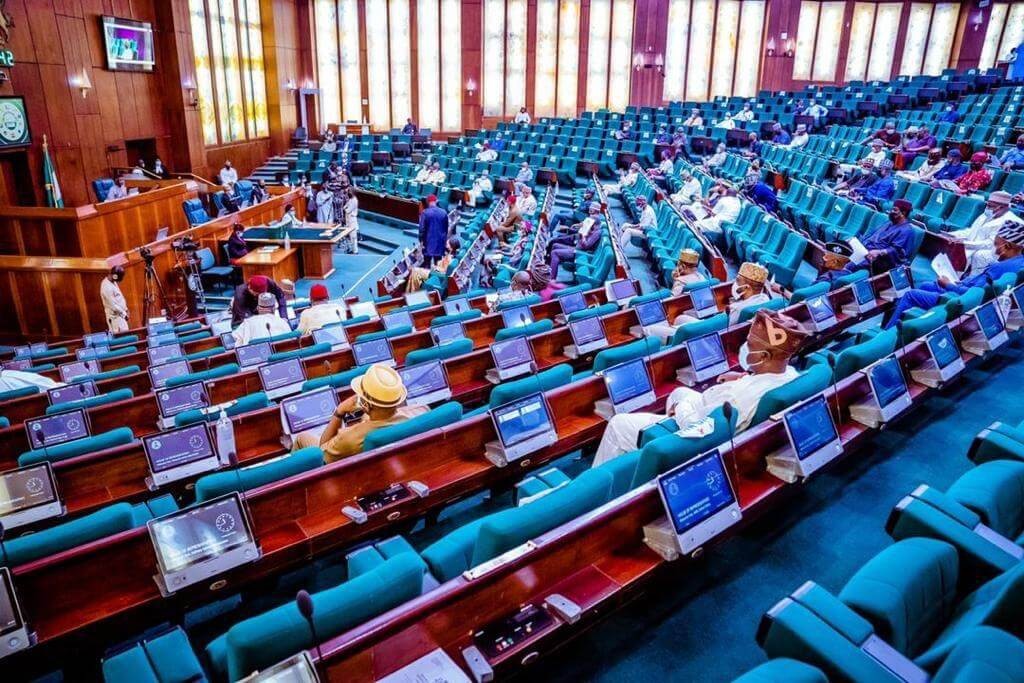
Supporting the bill, House Leader Julius Ihonvbere said it would enforce discipline in national planning and prevent policy deviations across administrations. Lawmaker Yusuf Gagdi also linked Nigeria’s past economic growth to structured planning, stressing the need to return to long-term strategies.
The bill is expected to proceed to a third reading before transmission to the Senate.
FURTHER READING
- Nigerian Fraudster Admits Role in $50 Million Email Scam Network
- FG Begins Review of Agricultural Curricula to Bridge Skills Gap
- Mother Slumps, Dies While Escorting Daughter To UTME Centre In Ondo