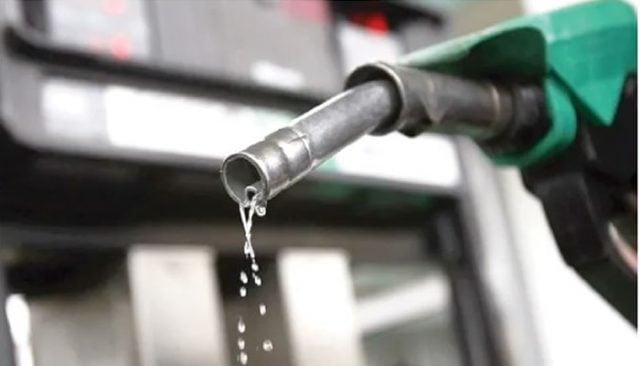
The Dangote Petroleum Refinery’s decision to slash its ex-depot petrol price from N828 to N699 per litre has done more than trigger another round of headline fuel adjustments.
It has delivered a clear and practical lesson in how real competition can reshape a market and, most importantly, deliver tangible benefits to ordinary Nigerians who for decades have endured a rigid, import-dependent pricing structure.
EDITOR’S PICKS
The reduction, which represents a 15.58 per cent cut and marks the refinery’s 20th price review this year, instantly sent shockwaves across the downstream sector.
Within hours, private depots began adjusting their own rates, from marginal cuts at Bulk Strategic and Sigmund to a sharper N15 reduction at TechnoOil, according to market trackers on Petroleumprice.ng. Depots such as A.A. Rano, NIPCO and Aiteo also revised their prices, reflecting the extent to which the arrival of a large domestic supplier has disrupted the status quo.
A Competitive Shift Long Missing in the Market
For many years, fuel pricing in Nigeria moved in one predictable direction, largely dictated by imports and international volatility.
Dangote’s entry has introduced an alternative anchor, a refinery capable of supplying the domestic market at scale and ready to recalibrate prices frequently.
Aliko Dangote himself has been clear that domestic prices must remain “reasonable and competitive,” and that the refinery has no intention of rushing to recover its $20 billion investment. That posture alone has helped force a level of pricing flexibility the market has not seen in decades.

The competition is already evident. The Nigerian National Petroleum Company (NNPC) Limited recently cut its petrol prices to N900 in Lagos and N940 in Abuja. Although still higher than Dangote’s figure, the move shows how market pressure can influence pricing decisions even among players long accustomed to setting the tone.
Nigerians Emerge as the Biggest Winners
The immediate impact of the latest cut is straightforward: cheaper petrol as the festive season approaches, a period when transport costs typically surge.
Beyond the pump, the implications ripple through the wider economy. Lower fuel prices moderate transport fares, ease pressure on food prices, and reduce the inflationary drag that has burdened households all year.
The new rate will allow marketers to load products for holiday distribution at more favourable prices. For consumers navigating an already expensive December, the timing could not be more helpful. This is the type of market responsiveness Nigerians have repeatedly been denied under an import-driven supply structure where price adjustments were often triggered by global shocks rather than local competitive dynamics.
Smuggling, a persistent drain on supply, also stands to reduce further. Speaking after a closed-door meeting with President Bola Tinubu last Saturday, Dangote noted that Nigerian petrol remains significantly cheaper than in neighbouring countries, even with the new pricing. While cross-border diversion has not disappeared, the refinery’s increasing output and frequent reviews make the arbitrage window narrower and more unpredictable for smugglers.
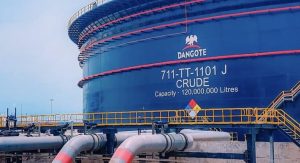
A Market Reshaped by Domestic Capacity
Behind the latest price cut is a broader transformation. As Dangote ramps up output, the downstream market is being reshaped around domestic capacity rather than foreign supply. Competition, long absent, is now an active force, pushing players to justify their prices, improve efficiency, and react to market signals.
FURTHER READING
For years, Nigerians had little influence over the fuel pricing regime. That has begun to change. With a major refinery able to adjust prices in real time and other suppliers forced to respond, consumers now sit closer to the centre of the market equation.
Philip Ibitoye is a Special Correspondent with EKO HOT BLOG. Click here to find daily analysis and critical insight on trending issues in Lagos and other parts of Nigeria.
Click here to watch the video of the week below: