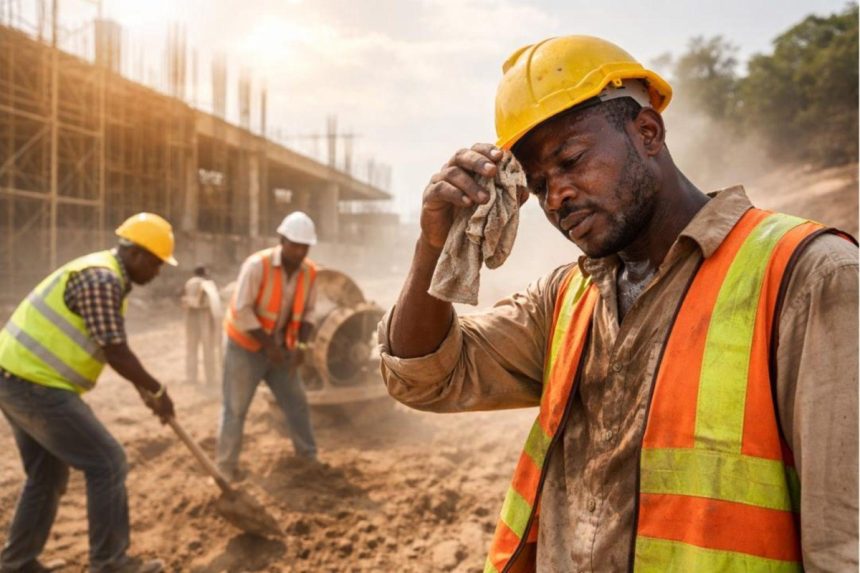
From workers forced to suspend operations because of flooding to labourers enduring extreme heat while on duty, climate change is steadily transforming the realities of work and livelihoods. As these challenges intensify, organised labour is beginning to view climate policy not merely as an environmental issue but as a matter of economic survival and social justice.
EDITOR’S PICK
- APM Endorses Makinde For 2027 Presidency, Targets PDP Members In Osun
- Eredo Monarchs Suspend Ojude Oba Celebrations in Honour of Late Omola of Odomola
- “Do Not Cheat Back”—Actress Eriata Ese Warns Women Against Revenge Infidelity
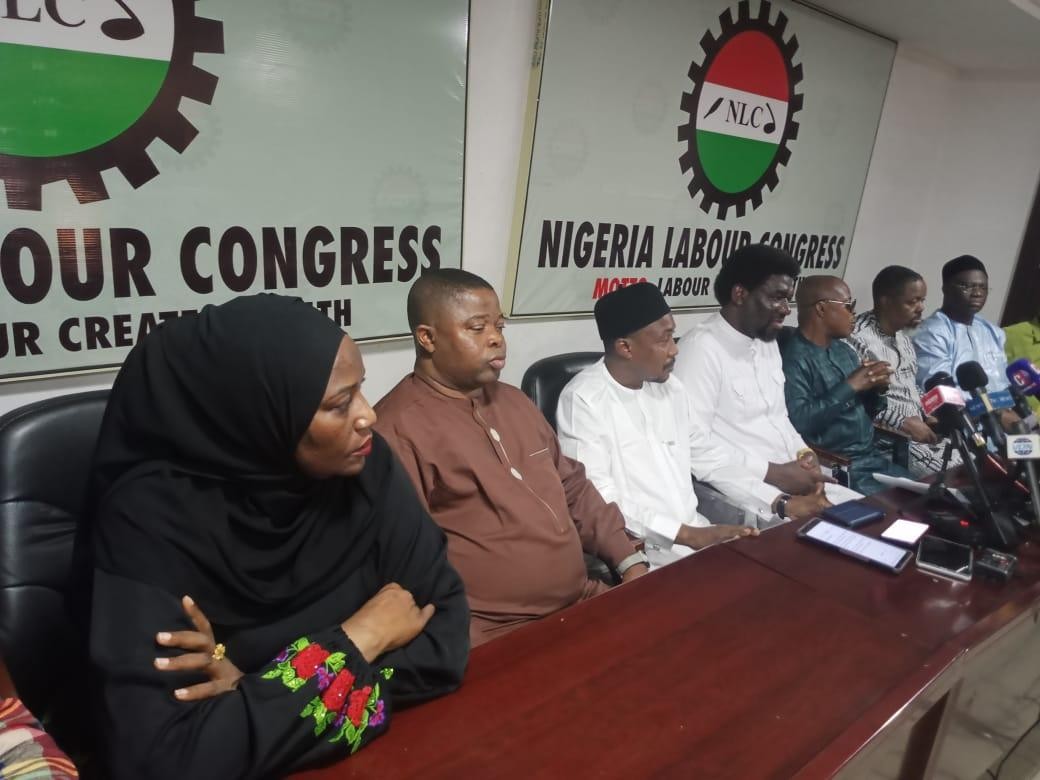
This growing awareness is shaping the preparations of the Nigeria Labour Congress (NLC) ahead of the Sixty-Fourth Sessions of the Subsidiary Bodies of the United Nations Framework Convention on Climate Change (UNFCCC SB64), scheduled to hold in Bonn, Germany, from June 8 to 18, 2026.
Although the meeting may not attract the global attention associated with the annual Conference of the Parties (COP), it remains one of the most important stages in international climate negotiations. Critical discussions on adaptation, climate finance, mitigation strategies, transparency frameworks and the future of the Just Transition agenda are expected to dominate proceedings.
For labour leaders, however, the significance of the gathering extends beyond diplomacy. It presents an opportunity to amplify workers’ voices in conversations that will shape the future of industries, employment and social protection.
Recent developments suggest that Nigerian labour organisations are becoming increasingly involved in climate governance. This shift was evident during a post-COP30 and pre-SB64 tripartite review and synthesis workshop held in Keffi, Nasarawa State, with support from the International Labour Organisation.
The workshop brought together labour representatives and climate stakeholders to review outcomes from COP30 and align priorities ahead of the Bonn meeting. Central to the discussions was the Just Transition Work Programme, a framework designed to ensure that workers and communities are not left behind as countries pursue low-carbon development pathways.
The concept of a Just Transition has gained prominence globally as governments seek to balance climate action with economic realities. For countries like Nigeria, where unemployment, inflation and energy challenges remain pressing concerns, labour groups argue that climate policies must be designed in ways that protect jobs, strengthen social welfare and create new economic opportunities.
Speaking on the importance of the upcoming negotiations, NLC General Secretary, Comrade Emmanuel Ugboaja, identified climate finance, adaptation goals, mitigation measures, climate-related trade policies, loss and damage mechanisms and the Just Transition framework as key issues expected to feature prominently at SB64.
He maintained that African countries require climate policies capable of driving socio-economic transformation rather than deepening existing inequalities.
According to him, green industrialisation, expanded energy access and reforms to international financial systems remain crucial to enabling developing nations to pursue sustainable growth.
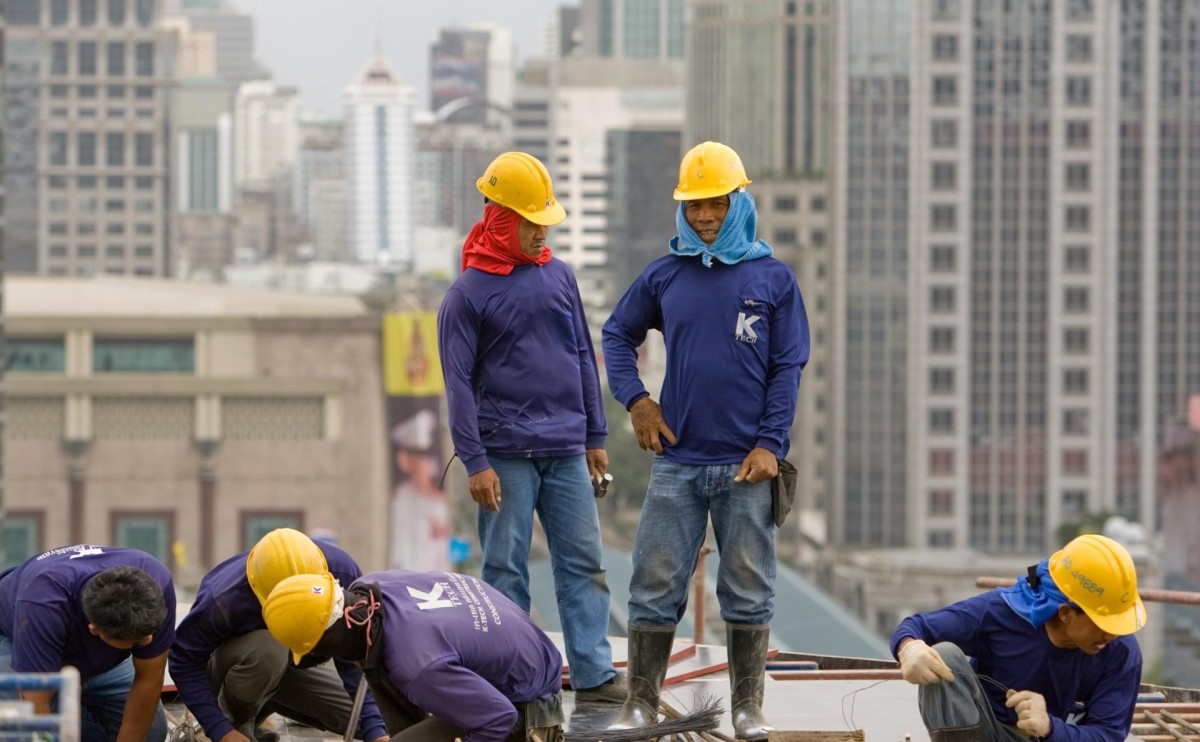
Labour leaders are also advocating a more active role for trade unions within climate governance structures. Their position is that workers should not merely observe climate negotiations but participate directly in decisions that affect their livlihoods.
This demand is rooted in the belief that the transition to cleaner energy systems and greener economies will inevitably reshape labour markets. New jobs may emerge, while others may disappear or require different skills. Without adequate planning, workers could bear the cost of transitions designed without their input.
One notable outcome of the Keffi workshop was the growing emphasis on grassroots engagement. For the first time, state-level labour leaders participated extensively in discussions on climate policy and Just Transition strategies.
The move reflects recognition that climate challenges differ significantly across Nigeria’s regions and that local actors have an important role to play in designing practical solutions.
In Enugu State, for example, labour leaders are already exploring ways to transfer climate knowledge directly to workers. The state NLC Council Secretary, Comrade Jasper Kelechi, revealed plans to adopt a “Study Circles” approach, where workers receive climate education within their workplaces through peer-led training sessions.

The strategy is intended to simplify complex climate concepts and make them relevant to everyday workplace realities.
Such localisation efforts are particularly important because climate impacts are experienced differently across the country.
While flooding remains a recurring threat in coastal and riverine communities, desertification continues to affect livelihoods in parts of northern Nigeria. In the Niger Delta, environmental degradation and concerns over the future of fossil fuel-dependent industries create another set of challenges.
For workers in sectors heavily exposed to weather conditions, climate change is already more than a policy discussion.
Among those drawing attention to these realities is Comrade Bright Osabuogbe, Senior Deputy General Secretary of the National Union of Civil Engineering, Construction, Furniture and Wood Workers.
He described how workers on construction sites increasingly face disruptions caused by flooding and extreme temperatures. According to him, some projects are suspended during severe weather events, while workers who remain on site often do so under difficult and potentially hazardous conditions.
These experiences underscore the growing link between climate change and workplace welfare. Reduced working hours, project delays, health risks and income disruptions are becoming familiar concerns for workers whose jobs depend heavily on environmental conditions.
As climate negotiations move from policy formulation to implementation, labour organisations are seeking to ensure that workers remain part of the conversation. Their goal is not only to protect existing jobs but also to influence how new opportunities created by climate action are distributed.
The journey to Bonn therefore represents more than participation in another international meeting. It reflects a broader effort to redefine climate governance as a shared responsibility involving governments, employers and workers alike.
For Nigerian labour, the message is increasingly clear: climate change is no longer a distant environmental issue.
It is a workplace issue, a livelihood issue and a social justice issue. How the country responds in the years ahead may determine not only the success of its climate ambitions but also the wellbeing of millions of workers navigating an uncertain future.
FURTHER READING