- the absence of stable electricity remains the biggest obstacle to manufacturing growth and large-scale job creation
- Dangote argued that unchecked importation weakens local production and exports employment opportunities
- According to him, government policies alone cannot drive industrialisation without the infrastructure to support them
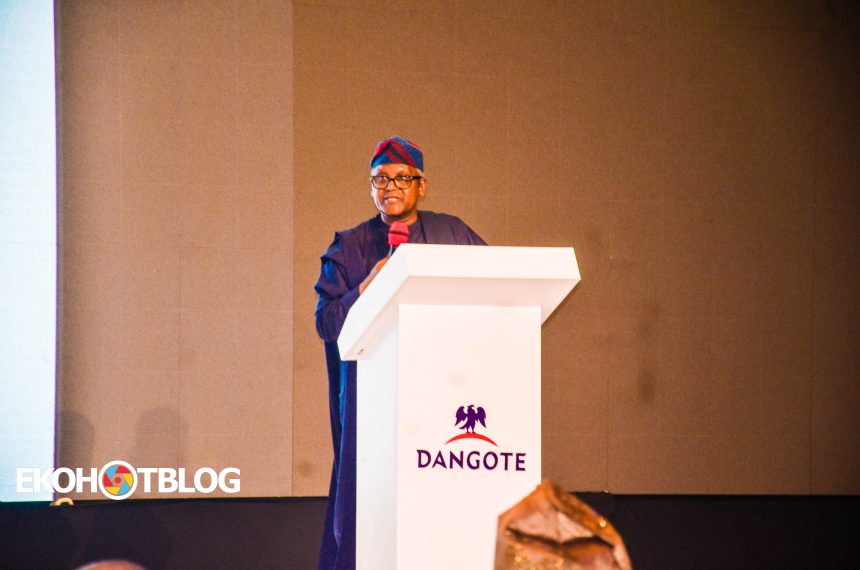
Aliko Dangote, President and Chairman of Dangote Industries Limited, has urged the Federal Government to urgently organise a national retreat to address Nigeria’s lingering electricity crisis, warning that unreliable power could derail the country’s industrial and economic ambitions.
Eko Hot Blog reports that he made the call on Tuesday in Abuja at the official launch of the National Industrial Policy 2025, themed “From Policy to Productivity: Implementing Nigeria’s Industrial Future.”
EDITOR’S PICK
- Grand Wedding Reception: Halimot, Saheed Mark Their Union
- Ikosi-Ejinrin LCDA Celebrates Former Chairman, Hon. Segun Adetola, on Birthday
- Sanwo-Olu Flags Off Free Eye Screening for 1,000 Lagos Police Officers
The event brought together senior government officials, business leaders and development partners, with President Bola Tinubu represented by Vice President Kashim Shettima.
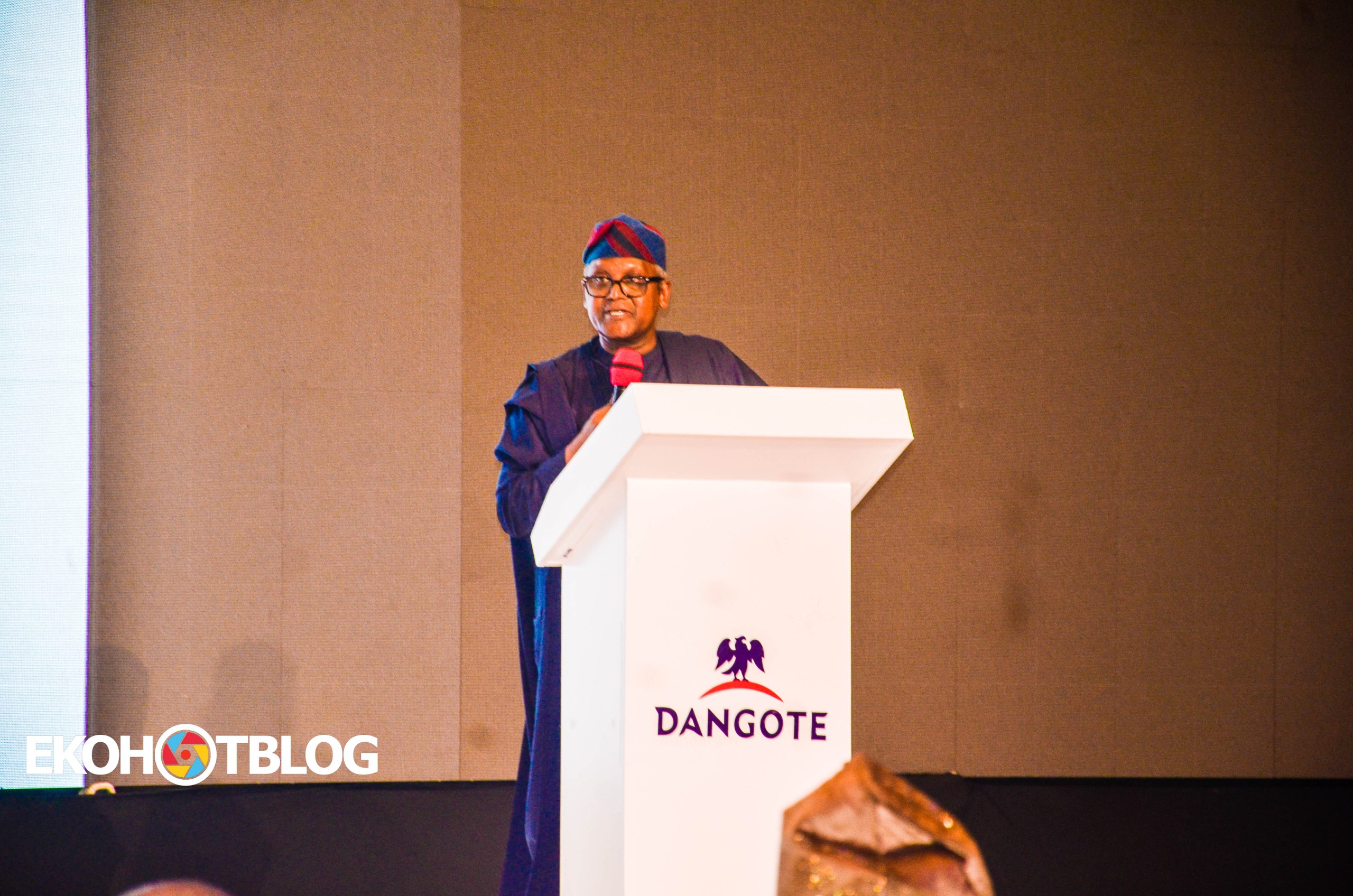
Dangote noted that while the new industrial policy offers strong incentives and direction, the absence of stable electricity remains the biggest obstacle to manufacturing growth and large-scale job creation.
He stressed that no nation can achieve sustained development without dependable power supply, urging the Vice President to convene key stakeholders for a one- or two-day forum dedicated to resolving power sector challenges.
According to him, government policies alone cannot drive industrialisation without the infrastructure to support them.
He acknowledged that Nigeria presents vast opportunities as both a domestic and regional market but maintained that manufacturers require reliable electricity and protection from excessive imports to thrive.
Dangote argued that unchecked importation weakens local production and exports employment opportunities.
He maintained that even generous incentives such as low-interest loans, free land or subsidised power would not sustain industries without safeguards against dumping and unfair competition.
He lamented that many factories now spend more on self-generated electricity than on actual production due to erratic public power supply.
Companies are often compelled to install independent power plants and backup systems, significantly raising operating costs. He described the situation as unsustainable and counterproductive to economic growth.
His remarks followed a recent five-day nationwide power disruption linked to gas maintenance activities, which caused generation shortfalls and widespread blackouts.
Several power plants experienced supply constraints after maintenance work by a major gas supplier temporarily reduced output, heightening concerns among manufacturers and businesses.
Dangote also highlighted the dominant role of the private sector in Nigeria’s economy, stating that businesses account for nearly 90 per cent of GDP.
He called for closer collaboration between government and industry, adding that entrepreneurs must also fulfil their obligations by paying taxes and complying with regulations.
He expressed optimism that ongoing economic reforms have improved investor confidence and stabilised the currency.
Reducing dependence on imports and strengthening local manufacturing, he said, would further support the naira and expand employment opportunities.
Reiterating his appeal for urgent power sector reforms, Dangote said consistent electricity supply is essential to the success of the National Industrial Policy 2025, which aims to expand local production, cut imports and position Nigeria as a leading manufacturing hub in Africa.
FURTHER READING