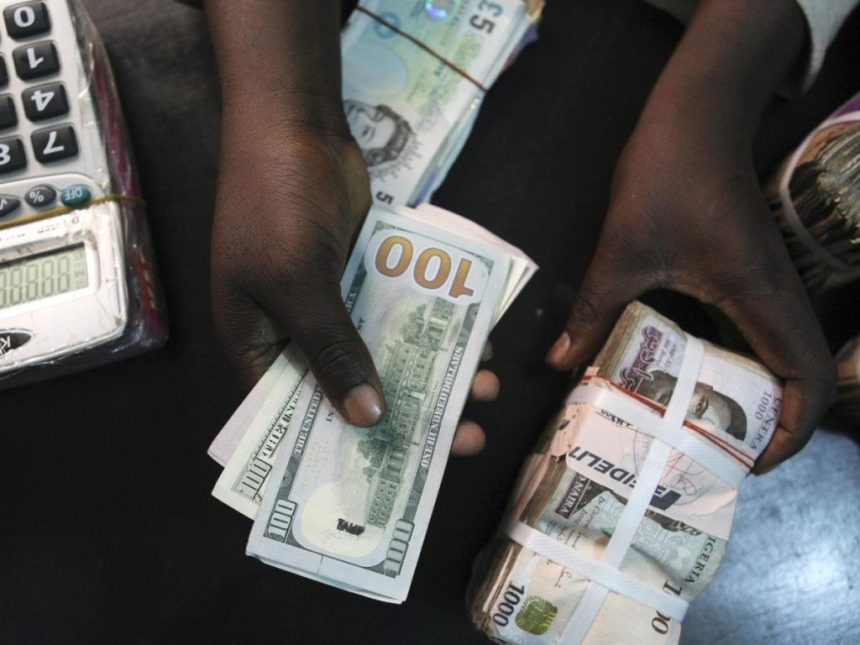
- Dollar To Naira Exchange Rate Today, April 13th, 2026
- Black market rates remain higher at ₦1420–₦1450 range
- Exchange rate gap narrows amid ongoing FX reforms
The exchange rate between the Nigerian naira and the United States dollar remains a key concern for businesses and individuals amid ongoing economic adjustments. As of Monday, April 13, 2026, the naira continues to trade within a relatively stable range across both the parallel market and the official window.
EDITOR’S PICKS
- JAMB Delists 23 CBT Centres, Warns 89 After Mock UTME Review
- NASA Astronauts Return to Earth After First Human Trip to the Moon in 50 Years
- INEC Shifts Nationwide Voter Revalidation Until After 2027 General Election
EKO HOT BLOG reports that at the black market, also known as the parallel market, the dollar is exchanged at higher rates compared to the official figures. This reflects continued demand pressure and limited supply outside formal channels. Meanwhile, the official rate, regulated by the Central Bank of Nigeria, shows a narrower trading band as monetary authorities sustain efforts to stabilise the currency.
Below is a breakdown of the dollar to naira exchange rate for today:
Dollar to Naira Black Market Rate Today
| Dollar to Naira (USD to NGN) | Black Market Exchange Rate Today |
|---|---|
| Selling Rate | ₦1450 |
| Buying Rate | ₦1420 |
Dollar to Naira CBN Rate Today
| Dollar to Naira (USD to NGN) | CBN Rate Today |
|---|---|
| Highest Rate | ₦1390 |
| Lowest Rate | ₦1362 |
These figures are consistent with recent market trends, where the naira has hovered around the ₦1,360 to ₦1,390 range in the official market, while the black market remains slightly higher due to speculative and retail demand pressures.
Economic analysts note that the gap between the official and parallel market rates has narrowed in recent months compared to previous periods of volatility. This has been attributed to improved foreign exchange liquidity and policy reforms targeted at unifying the exchange rate system.
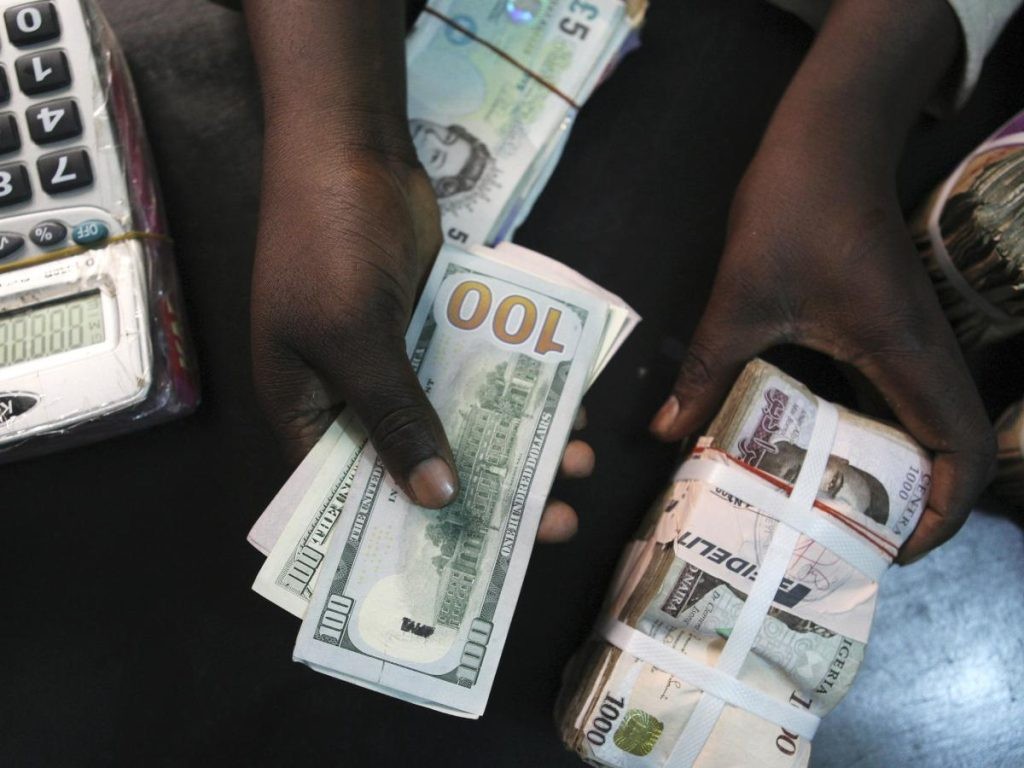
However, fluctuations are still expected as global economic conditions, oil prices, and domestic monetary policies continue to influence the market. Nigerians are also advised to note that black market rates may vary depending on location and transaction volume.