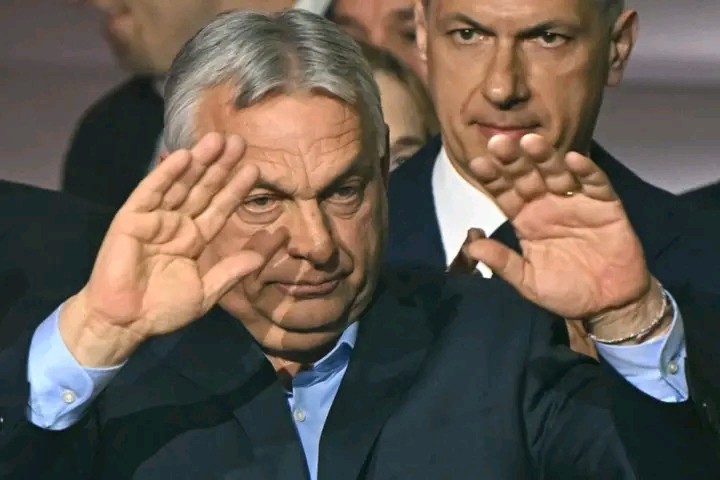
- After 16 years in power, Prime Minister Viktor Orbán has conceded defeat to Peter Magyar in the April 12, 2026, parliamentary elections.
- Peter Magyar’s TISZA party is projected to win 137 of the 199 parliamentary seats, securing a commanding two-thirds majority.
- The election saw a record voter turnout of 77.8%, signaling a significant surge in civic engagement across the country.
Nationalist Prime Minister Viktor Orbán officially conceded defeat on Sunday night following a historic parliamentary election that ended his 16-year tenure.
With approximately 67% of the precincts counted, Eko Hot Blog reports that the official results confirmed a landslide victory for the conservative TISZA party, led by Peter Magyar.
EDITOR’S PICKS
- Judge Frees 37 Inmates Over Prolonged Detention in Akwa Ibom
- Trump Threatens Iran Over Energy Attacks
- Tinubu Excludes Kemi Badenoch from UK State Visit Itinerary
Orbán told reporters in Budapest that while the results were painful for his party, the mandate for change was unambiguous. He confirmed that he had reached out to congratulate Magyar on the win.
Peter Magyar, a 45-year-old former government insider, spearheaded a campaign focused on anti-corruption and the restoration of public services.
Despite an electoral system traditionally viewed as favoring Orbán’s Fidesz party, Magyar’s pro-European conservative platform successfully capitalized on concerns over economic stagnation.
The victory marks a total reversal of the “illiberal democracy” model Orbán had championed since 2010, which often put Hungary at odds with the European Union and the United States.
The election drew global attention due to the high-profile endorsements involved. U.S. President Donald Trump and Vice President JD Vance had both rallied behind Orbán during the campaign, framing him as a defender of national sovereignty.
In contrast, Magyar called for a return to the European mainstream and urged voters to move past the rhetoric of “foreign interference” that had dominated the Fidesz campaign.
Following his victory, Magyar instructed his supporters to report any suspected post-election irregularities but urged the public to maintain order during the transition.
As the TISZA party prepares to take over the National Assembly with a two-thirds majority, the incoming government faces the task of addressing the rule-of-law issues that led to repeated clashes with Brussels.

Orbán’s chief of staff, Gergely Gulyás, stated earlier that the administration would respect the final results, noting no significant infringements were recorded during the voting process.
This election represents the most significant political realignment in Central Europe in over a decade.