- The 32-hour ceasefire agreed upon for the Orthodox Easter formally ended on Monday, with both Kyiv and Moscow claiming the other side committed thousands of breaches.
- While air raids and missile strikes saw a temporary lull, frontline fighting continued, involving heavy drone usage and localized skirmishes.
- The Kremlin has rejected any extension of the truce, insisting that Ukraine must first accept Russia’s “well-known” territorial terms, while Kyiv maintains that Russia is using the break to regroup.
The temporary cessation of hostilities between Russia and Ukraine, intended to honor the Orthodox Easter, expired on Monday morning, April 13, 2026.
Eko Hot Blog reports that the truce, which began Saturday afternoon, was marked by a sharp disconnect between the relative quiet in the skies and the persistent violence on the ground.
EDITOR’S PICKS
- Judge Frees 37 Inmates Over Prolonged Detention in Akwa Ibom
- Trump Threatens Iran Over Energy Attacks
- Tinubu Excludes Kemi Badenoch from UK State Visit Itinerary
According to the Ukrainian military, the enemy recorded over 7,600 violations during the 32-hour window, while the Russian Defense Ministry countered with claims of nearly 2,000 breaches by Ukrainian forces.
Despite the high number of reported violations, there was a noticeable shift in tactics.
For the first time in weeks, the Ukrainian army reported zero long-range Shahed drone attacks or guided aerial bombings.
This brief pause in large-scale aerial barrages allowed soldiers on the front lines, such as those in the 33rd Mechanised Brigade in Kharkiv, a rare moment of respite to observe religious traditions and have their Easter baskets blessed in the forest.
However, this “holiday joy” was tempered by reports of FPV drone strikes and localized advances that kept soldiers on high alert.
The diplomatic aftermath of the truce has been equally cold.
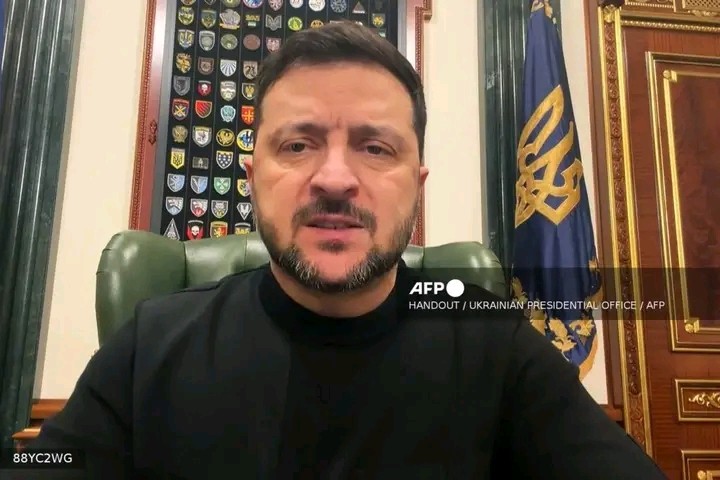
President Volodymyr Zelensky’s call for a longer ceasefire was swiftly rebuffed by Kremlin spokesman Dmitry Peskov. Peskov stated that the “special military operation” would resume in full force unless Ukraine accepted Russia’s demands, specifically the surrender of the entire Donetsk region.
Ukraine, meanwhile, remains open to freezing the conflict along current lines, a proposal Moscow has repeatedly rejected.
As the conflict reverts to its standard intensity, the human cost continues to mount. The war, now in its fifth year, remains Europe’s deadliest since 1945, with Russia currently occupying roughly 19% of Ukrainian territory.
With international attention increasingly diverted toward Middle Eastern tensions, the prospects for a US-brokered peace deal seem more distant than ever, leaving both nations locked in a grueling war of attrition that shows no sign of a permanent resolution.