- Dollar To Naira Exchange Rate For Today, March 11, 2026
- Black market dollar sells around ₦1,428 across major Nigerian cities.
- Forex demand continues to keep parallel market rate above official rate.
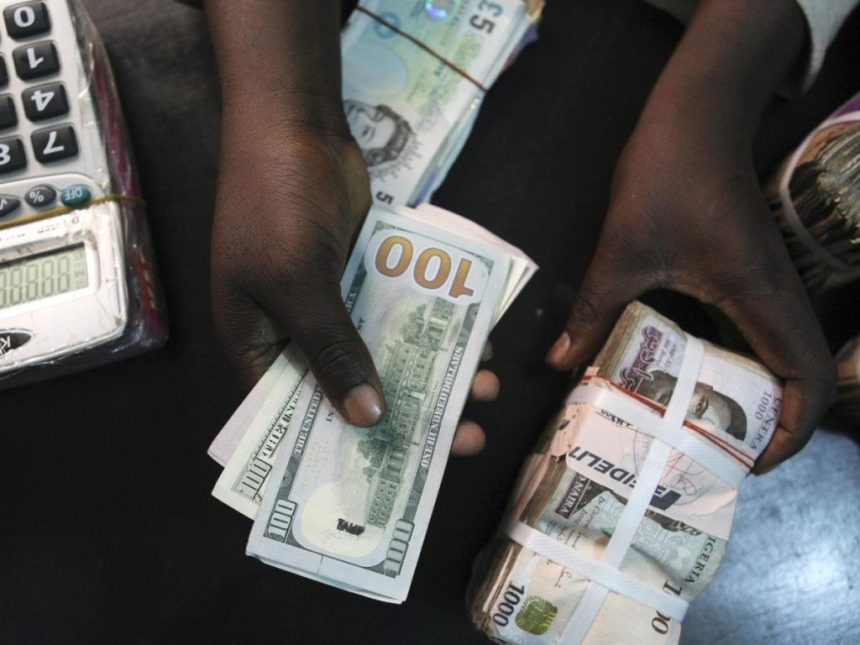
The exchange rate between the United States dollar and the Nigerian naira remains a key focus for businesses, importers, and individuals monitoring Nigeria’s foreign exchange market.
As of Wednesday, March 11, 2026, the naira continues to trade at different rates across the official foreign exchange market and the parallel market, commonly referred to as the black market.
EDITOR’S PICKS
- Governor Ahmadu Fintiri Defects To APC As Atiku’s Son Refuses To Dump PDP
- Should Governors Have To Join Ruling Party for ‘Greater Federal Support’?
- FEDSA National Pays Courtesy Visit to Lekki LCDA Chairman, Applauds Free JAMB Initiative
EKO HOT BLOG reports that recent data from Nigeria’s foreign exchange market indicates that the naira has maintained relative stability around the ₦1,390 to ₦1,400 range in the official trading window, reflecting ongoing liquidity management by the Central Bank of Nigeria.
However, in the parallel market where Bureau De Change operators handle most retail foreign exchange transactions, the dollar trades slightly higher due to stronger demand for foreign currency among importers and travellers.
Below is the latest Dollar to Naira exchange rate for March 11, 2026.
Dollar to Naira Rate Today
| Market | Buying Rate | Selling Rate |
|---|---|---|
| Black Market (BDC) | ₦1,415 | ₦1,428 |
| Official Market (CBN / NFEM) | ₦1,393 | ₦1,398 |
Market data indicates that the black market exchange rate remains higher than the official rate because of persistent demand for dollars and limited supply in Nigeria’s regulated forex market.
Analysts note that fluctuations in the exchange rate are influenced by factors such as Nigeria’s foreign reserves, demand for imports, and global currency trends. Over the past week, the naira has traded between roughly ₦1,377 and ₦1,402 per dollar in the official market, showing moderate volatility.
Currency traders also point out that the difference between the official and parallel market rates reflects ongoing market adjustments as the country continues its foreign exchange reforms.
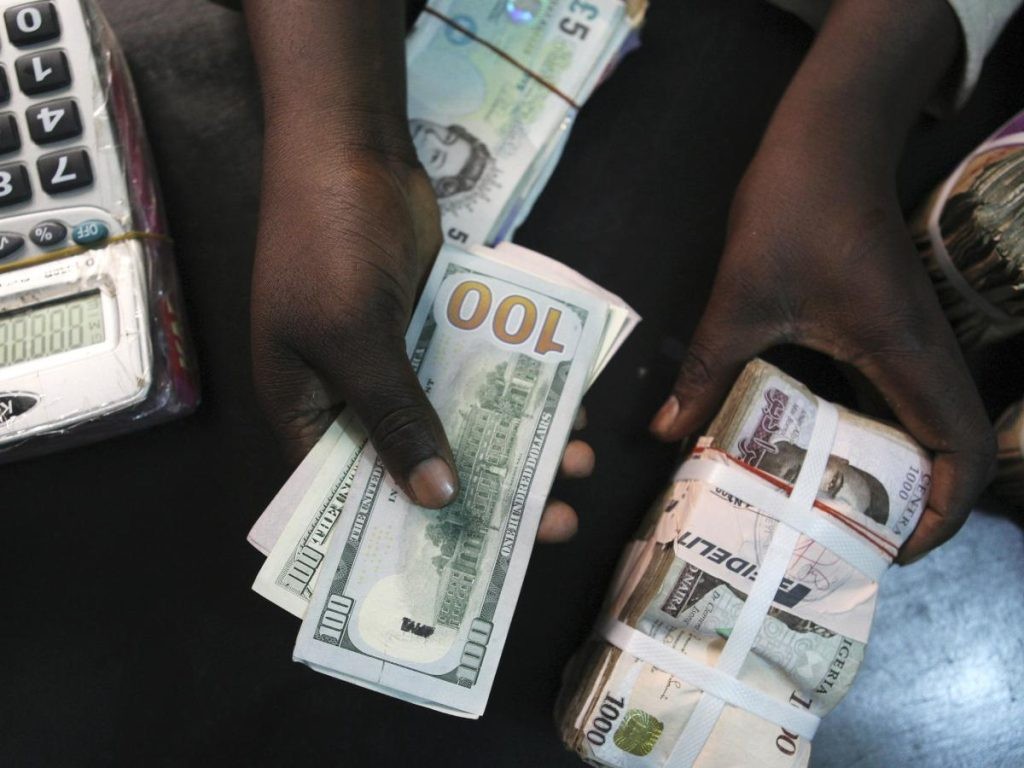
For individuals and businesses, exchange rates may vary slightly depending on the location, volume of transaction, and dealer margins.
FURTHER READING
- Fire Breaks Out At Jama’a Emir’s Palace In Kaduna
- ‘Security Is Local’ – Tinubu Makes Fresh Case for State Policing
- Nigeria’s GDP Grows by 4.07% in Q4 2025, NBS Reports