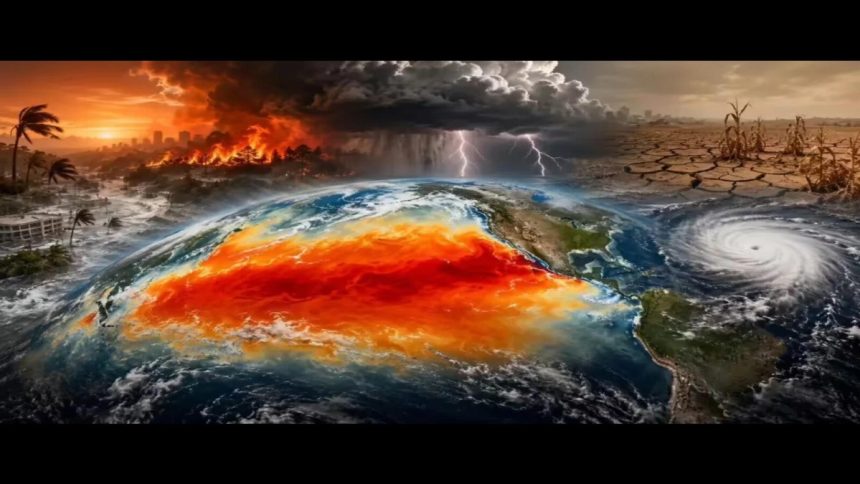
- Experts say the combination of climate change and El Niño may lead to more frequent and intense extreme weather events
- Climate specialists noted that southern Africa is particularly vulnerable because lower rainfall could affect food production
- They stressed that governments and communities should strengthen preparedness measures to reduce the risks
Climate experts have raised concerns over the likely return of the El Niño weather phenomenon, warning that its effects could be intensified by rising global temperatures caused by climate change.
Eko Hot Blog gathered that the World Meteorological Organization said there is an 80 per cent probability that El Niño conditions will develop between June and August, with a 90 per cent likelihood that the event will persist through at least November.
EDITOR’S PICK
- APM Endorses Makinde For 2027 Presidency, Targets PDP Members In Osun
- Eredo Monarchs Suspend Ojude Oba Celebrations in Honour of Late Omola of Odomola
- “Do Not Cheat Back”—Actress Eriata Ese Warns Women Against Revenge Infidelity
El Niño, a naturally occurring climate pattern that emerges every few years, is associated with unusually warm ocean temperatures in the eastern Pacific.
The phenomenon often alters weather systems worldwide, triggering droughts in some regions while causing excessive rainfall and flooding in others.
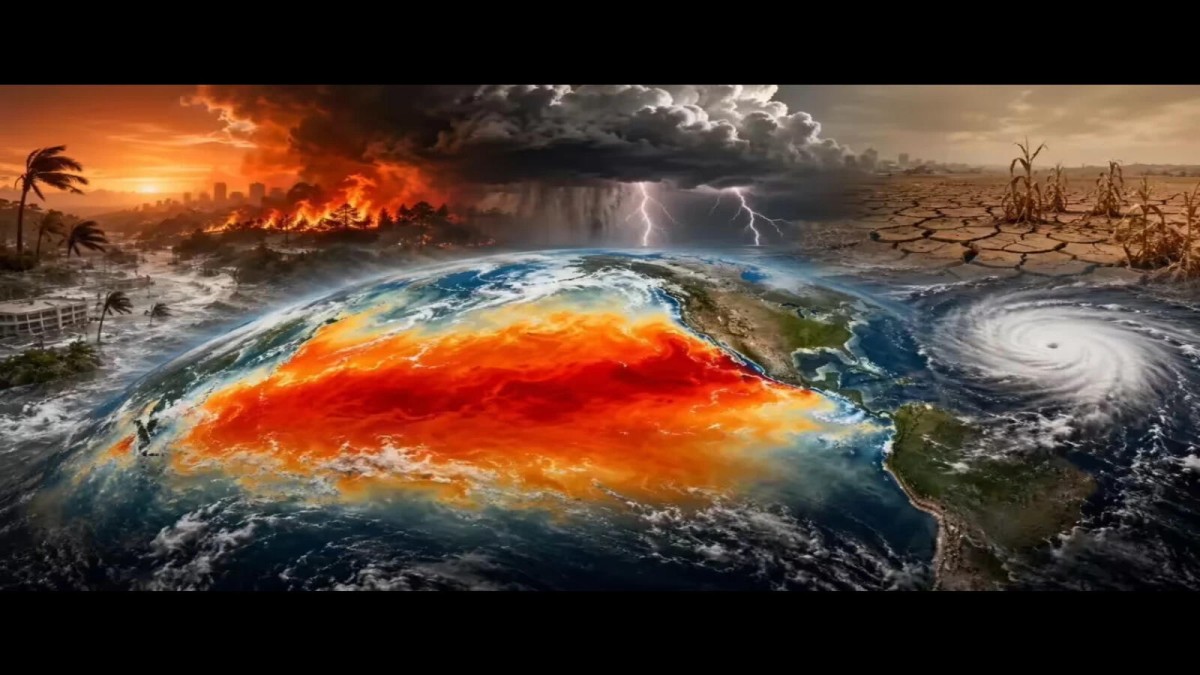
Scientists fear the coming event could be particularly damaging because it will occur against a backdrop of already elevated global temperatures driven by greenhouse gas emissions.
According to climate researchers, the planet has warmed significantly since pre-industrial times, meaning that any El Niño-related heat, droughts, storms and heavy rainfall could become more severe than in previous cycles.
Experts say the combination of climate change and El Niño may lead to more frequent and intense extreme weather events, including heatwaves, wildfires, floods, crop failures and water shortages.
Researchers also warned that the phenomenon could contribute to record-breaking global temperatures in the coming years. The World Meteorological Organization has indicated that 2027 could potentially become the hottest year ever recorded if current projections materialise.
The effects of El Niño are not uniform across the globe. While some parts of South America and Central Asia may experience heavier rainfall, regions such as Australia, Central America and parts of southern Africa could face reduced precipitation and worsening drought conditions.

Climate specialists noted that southern Africa is particularly vulnerable because lower rainfall could affect food production, hydropower generation and water supplies, placing additional pressure on communities already struggling with climate-related challenges.
Scientists also expect warmer Pacific Ocean temperatures to create favourable conditions for stronger tropical cyclones, increasing the risk of destructive storms in vulnerable coastal regions.
Recent disasters have highlighted the dangers posed by the interaction between El Niño and climate change. Researchers pointed to devastating floods in southern Brazil in 2024 as an example of how the two factors can combine to intensify extreme weather events.
Experts believe the expected El Niño event may offer a glimpse into the type of climate conditions that could become more common in the future as global temperatures continue to rise.
They stressed that governments and communities should strengthen preparedness measures to reduce the risks posed by increasingly severe weather patterns linked to both climate change and natural climate cycles.
FURTHER READING