- Dark Questions Behind Elon Musk’s Plan to Defeat Death
Elon Musk has a long track record of pushing technology to extremes few others dare to explore. Electric vehicles were dismissed as impractical. Reusable rockets seemed science fiction. Today, he is steering human biology itself toward a future that raises deep questions about what it means to live and die.
Musk’s company Neuralink is developing brain-computer interfaces, tiny implants designed to bridge biological brains with digital systems.
In the first publicly acknowledged human case, a person with paralysis was able to control a computer cursor and communicate using only brain signals after receiving the Neuralink implant.
This development was reported by The Guardian as a milestone in using the technology to restore abilities lost to injury, though it also exposed technical and safety challenges.
Musk describes the brain in terms that blur biology and information. In a conversation with podcaster Lex Fridman, he explained: “What are we but our memories? And what is death but the loss of memory, loss of information.” He continued that if memories could be stored and restored without loss, it might achieve a form of immortality.
This framing equating identity with data fuels much of the controversy. Musk has also suggested that within a couple of decades, it may be possible to create a ‘snapshot of a person’s mind’ and upload that digital model into a robot such as Tesla’s Optimus humanoid. He said this might happen “probably in less than 20 years,” though he acknowledged the copy would not be exact.
There is no scientific consensus that preserving memories alone equals preserving consciousness. Many neuroscientists argue that consciousness and identity are far more complex than data patterns. Critics warn this idea risks overstating what mind-machine interfaces can actually do and could mislead the public about brain science.
Beyond the science, the technology ignites ethical and social concerns. Neuralink’s approach has been criticized for communicating results through social media and selective demonstrations rather than detailed peer-reviewed research, an unusual practice in medical innovation that some ethicists call “science by press release.”
Privacy is a concern. A device that can read brain signals could reveal personal things about what people are thinking if it is not used correctly.
Security experts are warning that neural data is a problem if someone gets to it or changes it and this is a bigger risk than when someone hacks into your phone or computer. Neural data and brain signals are very sensitive. People are worried, about what could happen to neural data and brain signals if they get into the wrong hands.
Religious and philosophical communities are also unsettled. Most major faith traditions teach that life, death, and the soul extend beyond physical processes.
The idea that human identity could be reduced to information and restored in a machine challenges beliefs about mortality, afterlife and the nature of the self.
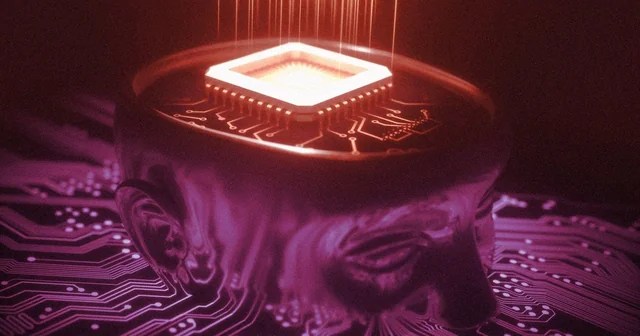
Supporters of Neuralink emphasise medical promise. Restoring movement, communication and independence to people with paralysis or neurological disorders would be life-changing. If future technology can safely augment human cognition, it could expand what people can achieve in daily life.
Yet the dark questions persist: Is a digital copy truly ‘you’? Could such technology deepen inequality if only the wealthy can access it? And if death can be postponed digitally but not biologically, what does that mean for society?
Musk’s vision forces society to confront these questions now, not someday far in the future. As Neuralink advances, the debate is just beginning not only about what technology can do, but about what humans should allow technology to do.
FURTHER READING
- President Lauds DSS Leadership for Positive Media Engagement
- Naira Set to Strengthen, Borrowing Ratesto Fall in Next Six Months – CBN Survey
- New Nigerian Tax Laws to Boost Investment and Fiscal Stability, – FIRS