In the last days of February 2026, the United States and Israel launched a massive military campaign on Iranian soil. That campaign killed Iran’s Supreme Leader, Ayatollah Ali Khamenei, along with several top officials, and marked one of the most dramatic escalations in the region in decades. This event has shaken the entire Middle East and left millions fearing what comes next.
EDITOR’S PICK
- Nigeria Awaits FIFA Verdict On DR Congo Player Eligibility Dispute
- Trump Says Diplomacy Is “Much Easier” Now After Decapitating Strikes on Iran
- Senate Targets 2026 for State Police Amendment
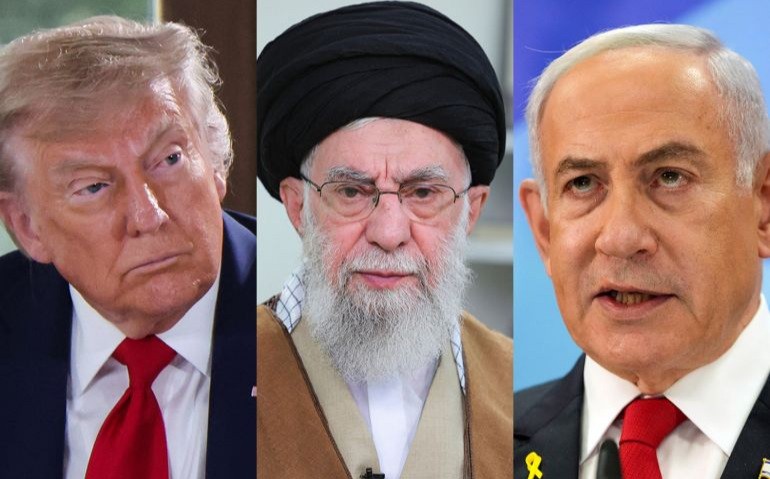
Leaders in Washington and Tel Aviv insisted they had no choice. US President Donald Trump and Israeli Prime Minister Benjamin Netanyahu claimed Iran’s military and its nuclear program posed a grave threat.
They argued that Iran must be stopped before it builds a nuclear weapon and before its missile systems can launch attacks on American or Israeli targets. In their view, military force was the only way to protect their people and stop what they saw as a growing danger.
But when leaders say they act for security, they often hide the real cost of war.
For decades, Iran has been accused by the West of trying to develop nuclear weapons. Iran has always denied this, saying its nuclear work is for peaceful purposes such as energy and science.
Tehran is a member of a global treaty designed to stop the spread of nuclear arms while allowing peaceful nuclear development. Still, its activities raised suspicions among Western powers and Israel, which claims its very existence is threatened by a nuclear-armed Iran.
Iran maintains that its nuclear activities are peaceful. However, the United States and Israel argue that Iran’s uranium enrichment levels could potentially allow it to develop a bomb if it chose to do so. Uranium enrichment is not illegal under the treaty, but when it reaches high levels, it raises international concern because those levels can also be used for weapons production.
Another source of tension lies in what many see as an imbalance within the global nuclear system. When the treaty was created in 1968, five countries were officially recognised as nuclear-weapon states because they had already tested nuclear devices. These nations were allowed to keep their arsenals while promising to pursue disarmament.
However, this arrangement creates a double standard, as newer nations are prevented from developing nuclear weapons while established powers retain theirs. This perception of inequality fuels resentment, especially in regions where security threats are high.
Instead of letting diplomats sort out those fears slowly and carefully, the United States and Israel chose bombs over dialogue. They opted for explosions when negotiations were still possible. In doing so, they broke the fragile trust that remaining peacemakers were trying to build. For many observers around the world, this choice made the situation worse rather than better.
What made this crisis even more disturbing was not just the strikes on military sites, but the open call for regime change. Trump openly urged the Iranian people to overthrow their own government, a bold statement that signaled a shift from defense toward political intervention. For many, this revealed a deeper ambition, not just stopping weapons but reshaping a nation’s politics.
Then, when the joint attack hit the heart of Iran’s system of power, it changed the rules of engagement entirely. Supreme Leader Ayatollah Ali Khamenei, who had ruled Iran since 1989, was reportedly killed in the strikes.
Iran’s state media confirmed his death, and the country entered a period of national mourning. Khamenei was more than a political figure; he was the symbol of the Islamic Republic and the core of its leadership.
This assassination marks a turning point. It is the first time in modern history that a sitting Iranian supreme leader has been killed in battle. The United States and Israel justified this course as a blow against tyranny. But many around the world see it as a dangerous escalation of military power that failed to resolve the underlying causes of tension.
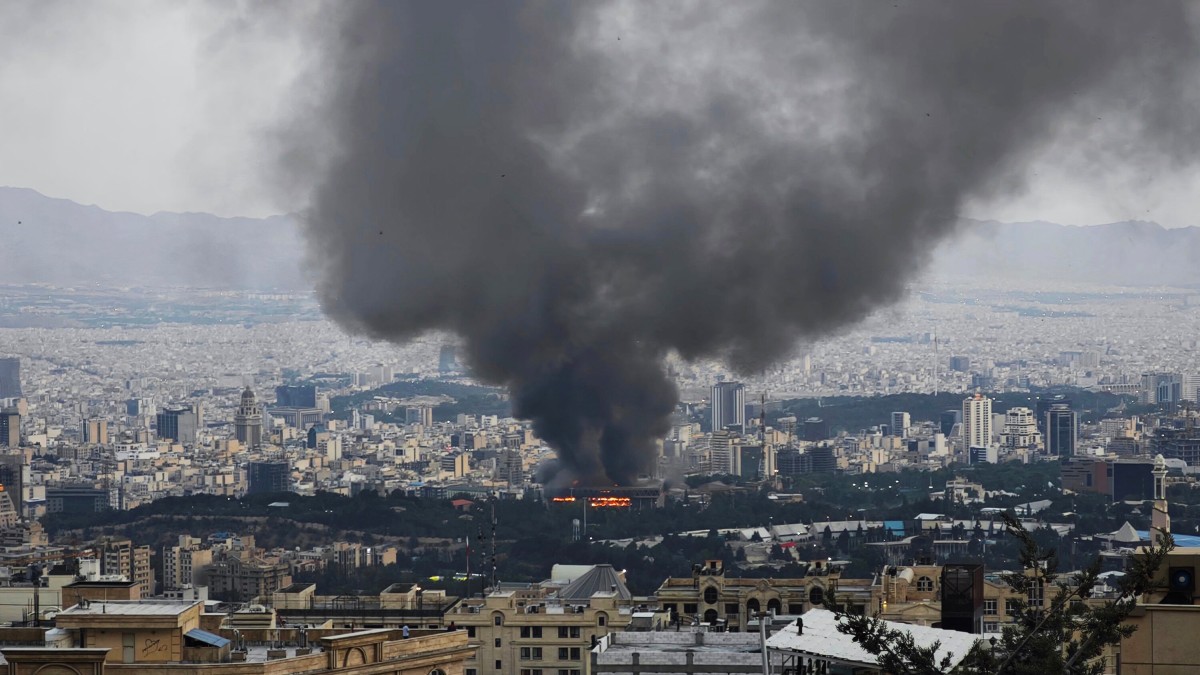
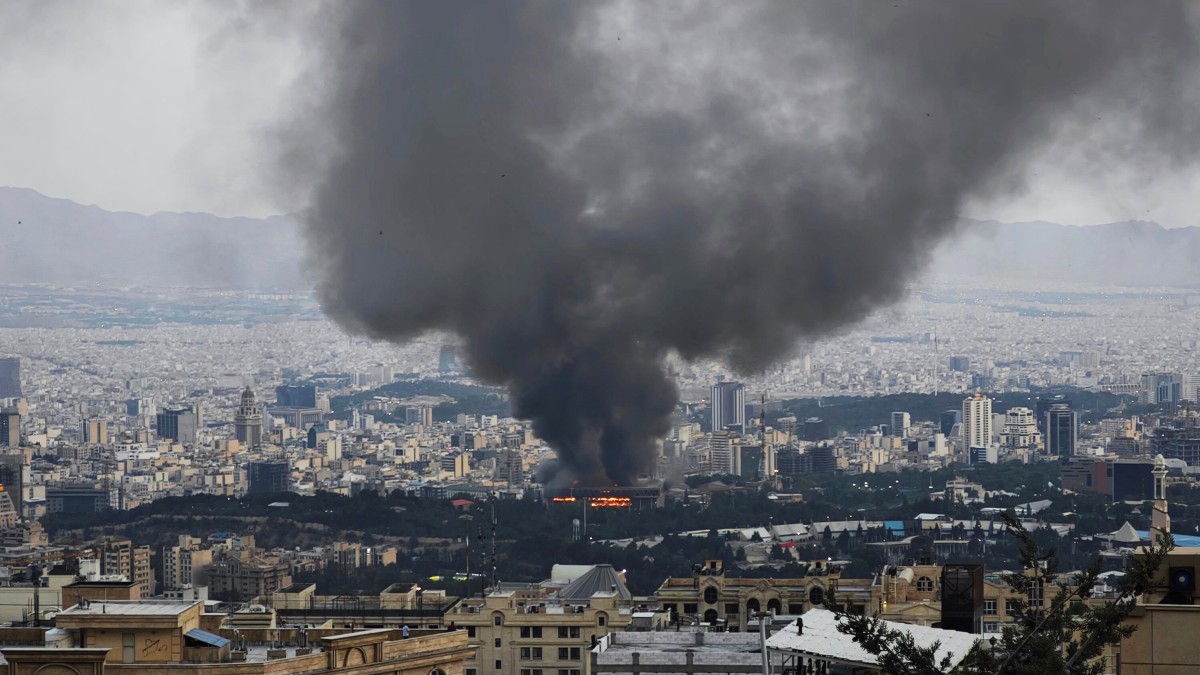
The humanitarian cost is already clear. Airspace closures, civilian casualties, damaged infrastructure, and mass fear have spread throughout Iran. Iran has responded with missile and drone attacks targeting US and Israeli interests and allied states across the region. What was meant to be a single campaign has instead sparked retaliation and broadened the conflict.
However, it is argued that diplomacy, even when slow and imperfect, is always better than war. War destroys lives first and asks questions later. The voices of ordinary people, those who have little stake in global strategy but everything at risk from bombs and fear, are rarely heard in these discussions.
People all over the world are now calling for an immediate end to violence and a renewed push for negotiation. They point out that military force cannot solve deep political divisions and that peace must come from honest dialogue, not domination.
In the end, the reason the United States and Israel attacked Iran was rooted in fear: fear of nuclear capability, fear of losing influence, and fear of an enemy narrative spreading. But whether that fear justified the use of force is a question the world will be debating for a long time.
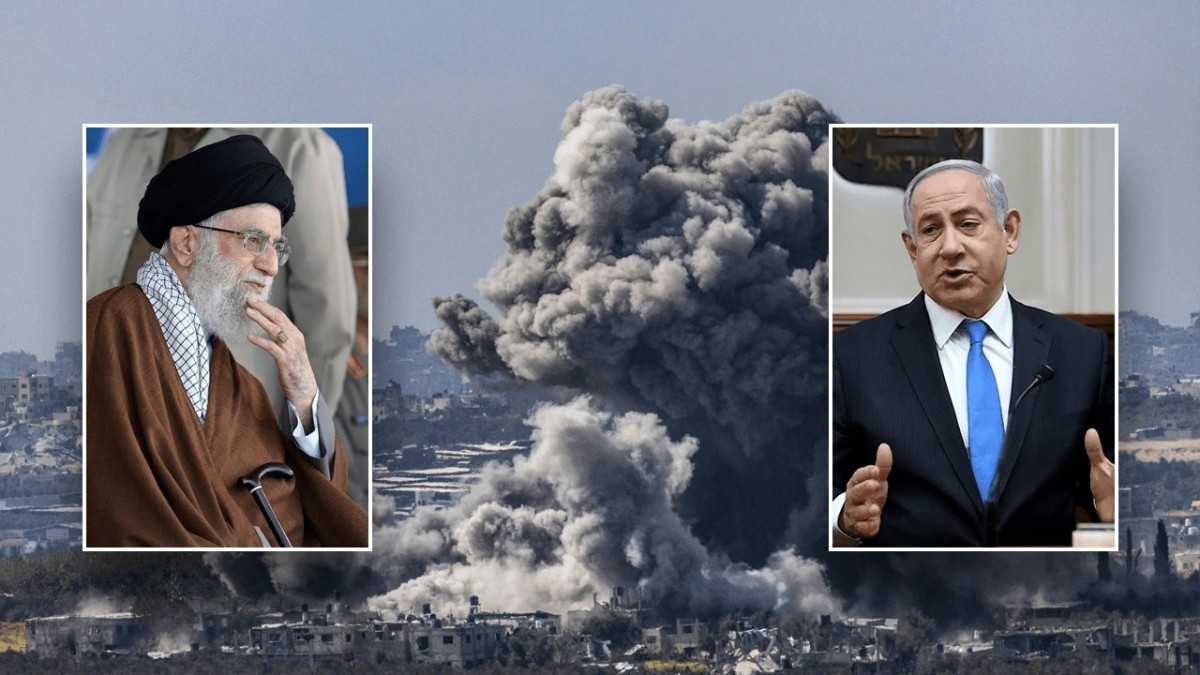
The death of Iran’s supreme leader, the destruction left behind, and the rising threat of wider conflict show how dangerous it is when leaders choose war over words.
The future now hangs in the balance, and the cost of this moment will be paid by ordinary people far more than by governments.
FURTHER READING