- Mathematics remains compulsory for all Science, Technology, and Social Science courses
- Alausa described the reform as a deliberate effort to expand access to tertiary education
- It will improve the ease of admissions into higher institutions
The Federal Ministry of Education (FME) announced a major reform, stating that senior secondary students in arts and humanities no longer require a credit in mathematics in their Senior School Certificate Examination (SSCE) for admission into Nigerian universities and polytechnics.
Eko Hot Blog reports that, designed to remove barriers while upholding standards, the new policy mandates that university arts and humanities applicants secure five credit passes in relevant subjects, including English, in no more than two sittings, though mathematics remains compulsory for all Science, Technology, and Social Science courses.
EDITOR’S PICK
- Kasali Meets Medical Team Ahead of ‘Save Our Men’ Free Health Mission in Lekki LCDA
- Akinloye Reaffirms Commitment to Sustainable Growth and Development in Eredo LCDA
- House of Reps Intervenes to Resolve FG-ASUU Strike
For polytechnics and Colleges of Education, the framework also distinguishes between science and non-science programs, easing the math requirement for students in arts and social sciences.

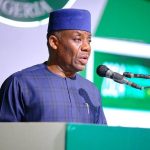
Minister of Education, Dr. Tunji Alausa, described the reform as a deliberate effort to expand access to tertiary education. He noted that over two million candidates take the UTME annually, yet only about 700,000 gain admission due to what he called “outdated and overly stringent entry requirements.”
The ministry expects the comprehensive reform to increase the average annual intake from 700,000 to one million students, creating opportunities for an additional 250,000 to 300,000 admissions yearly.
Alausa stated the reform reflects a commitment to fairness and opportunity, directly aligning with the President’s Renewed Hope Agenda.
Education analyst Ayodamola Oluwatoyin praised the reform, saying it will improve the ease of admissions into higher institutions.
FURTHER READING