- low-level flooding is projected in 923 communities across 77 LGAs in 24 states
- The report also showed that 405 LGAs in 35 states are expected to experience moderate flood risk
- Utsev further noted that the 2026 outlook introduces a community-based flood forecasting system
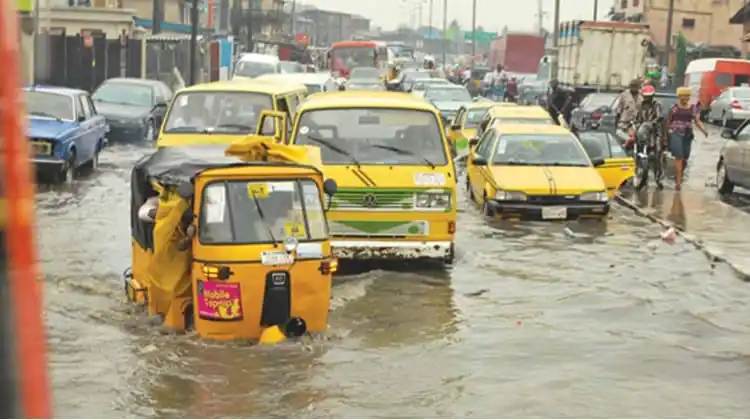
Federal Government has identified 226 Local Government Areas across 33 states and the Federal Capital Territory (FCT) as being at high risk of flooding in 2026.
Eko Hot Blog gathered that the disclosure was made on Wednesday by the Minister of Water Resources and Sanitation, Prof. Joseph Utsev, during the public presentation of the 2026 Annual Flood Outlook organized by the Nigeria Hydrological Services Agency at the State Banquet Hall in the Presidential Villa, Abuja.
EDITOR’S PICK
- Interior Ministry Orders Immediate Deactivation of Passports for Former Citizens
- Iran Sets Conditions as US Warns Ahead of Talks
- 7 Things People Over 50 Should Do Every Morning for Better Health
Utsev explained that a total of 14,118 communities spread across 266 LGAs fall within the high flood risk category nationwide.
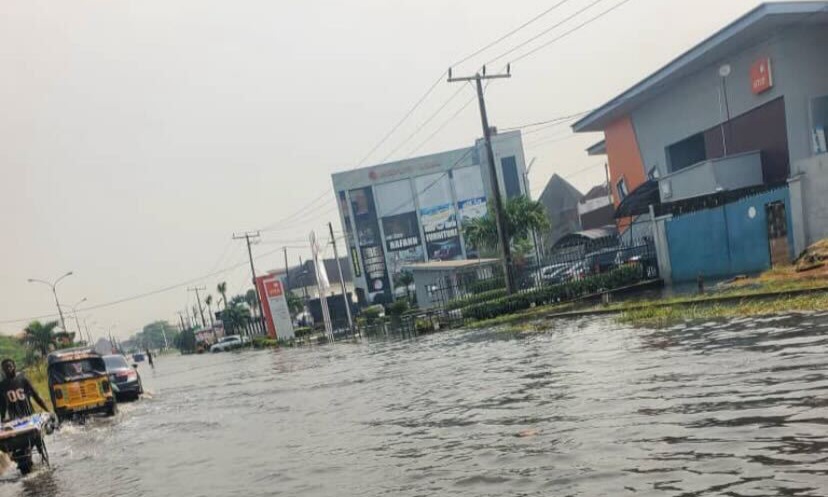
He listed the affected states to include Abia, Adamawa, Anambra, Bauchi, Bayelsa, Benue, Borno, Cross River, Delta, Ebonyi, Edo, Enugu, Gombe, Imo, Jigawa, Kaduna, Kano, Kebbi, Kogi, Kwara, Lagos, Nasarawa, Niger, Ogun, Ondo, Osun, Oyo, Plateau, Rivers, Sokoto, Taraba, Yobe, Zamfara, and the FCT.
The report also showed that 405 LGAs in 35 states are expected to experience moderate flood risk, with Ekiti State being the only state not listed in that category.
In addition, low-level flooding is projected in 923 communities across 77 LGAs in 24 states, including Adamawa, Anambra, Bauchi, Bayelsa, Benue, Borno, Cross River, Delta, Ebonyi, Edo, Jigawa, Kaduna, Kano, Kebbi, Kogi, Nasarawa, Niger, Ogun, Ondo, Osun, Oyo, Sokoto, Taraba, and Zamfara.
Utsev further noted that the 2026 outlook introduces a community-based flood forecasting system, which allows predictions to be more specific and targeted at local communities to improve preparedness and response.
Meanwhile, President Bola Tinubu reaffirmed his administration’s commitment to improving emergency response mechanisms and advancing sustainable national development.
Represented by the Minister of Environment, Balarabe Lawal, the President said the government had reviewed existing challenges and recognised the importance of strengthening rescue and emergency agencies.
He added that efforts are ongoing to enhance institutional capacity, coordination, and service delivery across relevant ministries.
Tinubu also emphasized the role of effective communication in improving collaboration, raising public awareness, and ensuring swift action during emergencies.
The event, themed “Smart Water Resources Management: Moving From Oil To A Water-Based Economy,” brought together government officials and key stakeholders in the water resources sector.
FURTHER READING