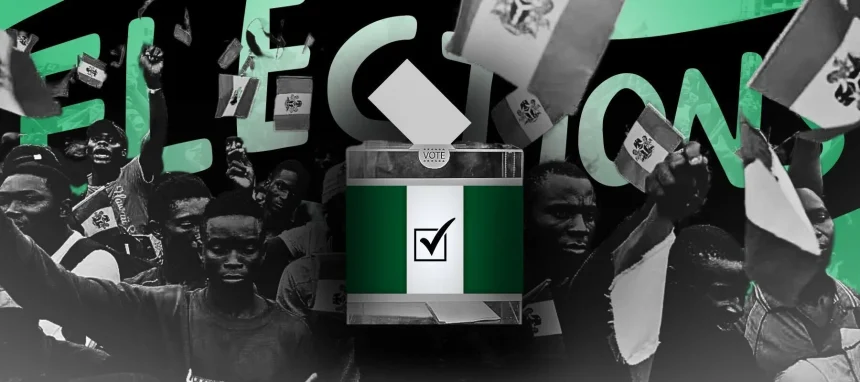
Nigeria’s 2027 presidential race is shaping up to be one of the most crowded in history.
Last Saturday, May 30, 2027, was the deadline set by the Independent National Electoral Commission (INEC) for the conclusion of primaries for the emergence of presidential candidates who will participate in the January 2027 election.
EDITOR’S PICKS
Although two different judges of the Federal High Court in Abuja recently issued conflicting rulings on the validity of the INEC timetable, particularly the deadline for candidate nominations, parties nevertheless took no chances and continued working within the electoral umpire’s original timelines to complete their primaries.
At least 21 candidates have emerged across 17 political parties, though four parties are producing rival claimants, meaning the courts will have the final say on who actually appears on the ballot.
EKO HOT BLOG provides a full breakdown of all candidates and the dynamics expected to ultimately shape the race.
THE INCUMBENT
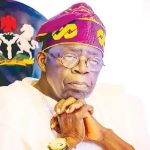
Bola Tinubu of the All Progressives Congress (APC) is seeking a second term after winning in 2023 with 37 per cent of the vote — the lowest winning margin in Nigeria’s democratic history.
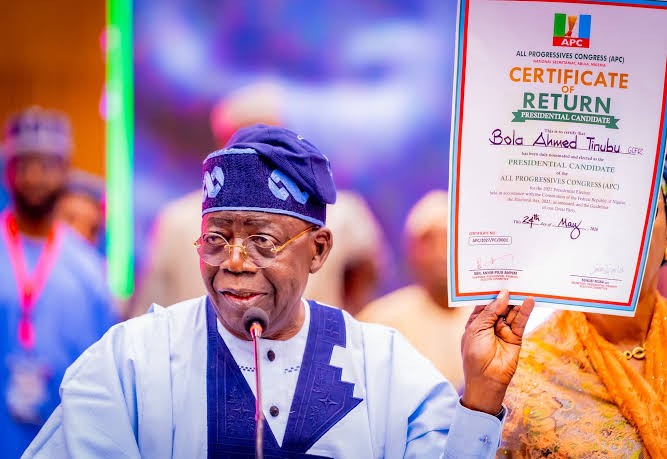
With 31 governors behind him and the full weight of federal incumbency, he is the overwhelming favourite structurally.
But 2027 will be a referendum on three years of painful economic reforms, and voter anger remains a wildcard.
THE MAJOR CHALLENGERS
Atiku Abubakar (ADC)
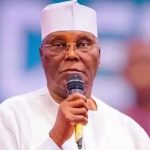
Atiku Abubakar of the African Democratic Congress (ADC) is making his sixth presidential attempt, having come second in 2023 under the Peoples Democratic Party (PDP).
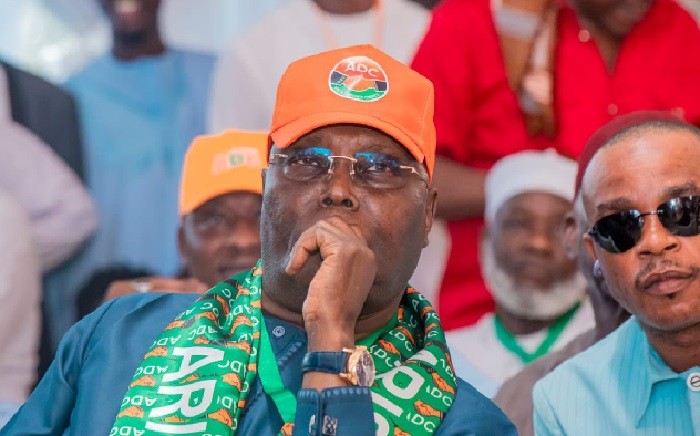
He won the INEC-recognised ADC primary but faces immediate court challenges from defeated rivals Rotimi Amaechi and Mohammed Hayatu-Deen, who have alleged manipulation. Notably, he paid Amaechi a visit last week, easing legal concerns.
Peter Obi (NDC)
Peter Obi of the Nigeria Democratic Congress (NDC) came third in 2023, galvanising a youthful movement that shook the establishment.
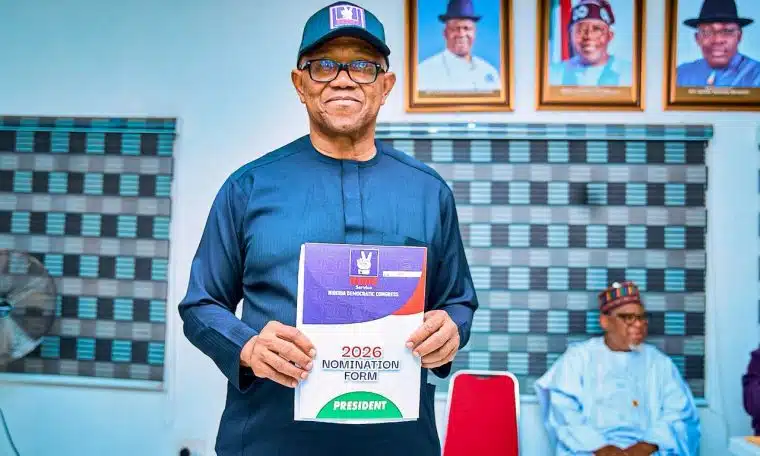
After leaving Labour Party and the ADC in succession, he has landed at the NDC with Rabiu Kwankwaso as running mate — a southern-northern alliance that some analysts see as the most structurally coherent opposition pairing on the table so far.
Goodluck Jonathan (PDP — Turaki faction)
Former President Goodluck Jonathan has not publicly confirmed his candidacy, but the he is being actively courted by northern elites who want Tinubu out and power returned to the North by 2031.
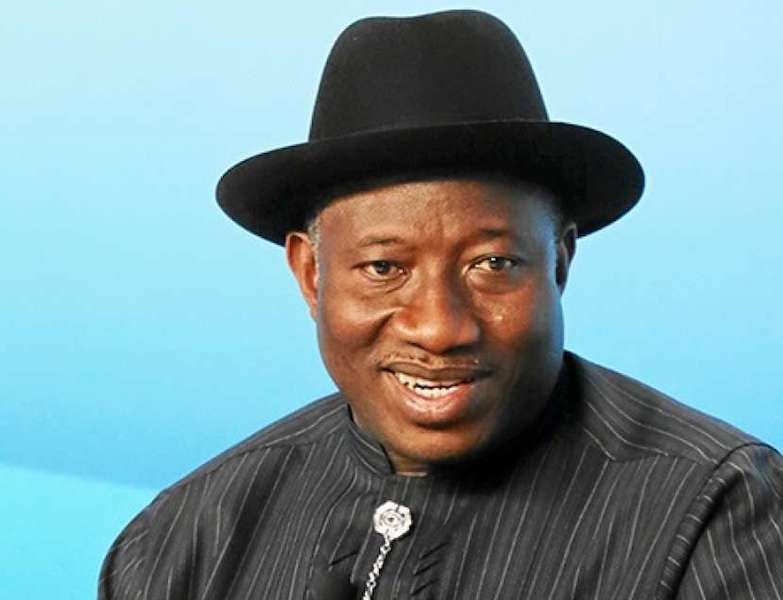
A Jonathan presidency achieves both: it ends Tinubu’s bid and, constitutionally, Jonathan cannot serve more than one additional term. His path to the ballot depends entirely on the courts recognising the Turaki faction over the INEC-recognised Wike-aligned NWC.
Seyi Makinde (APM)
Seyi Makinde of the Allied Peoples Movement (APM) is the Oyo State governor whose entry is most significant for what it means in the South-West.
In 2023, Tinubu won Oyo State in the presidential election, but Makinde won his governorship re-election in the same state with nearly 63 per cent of the vote, sweeping 31 of 33 local governments.
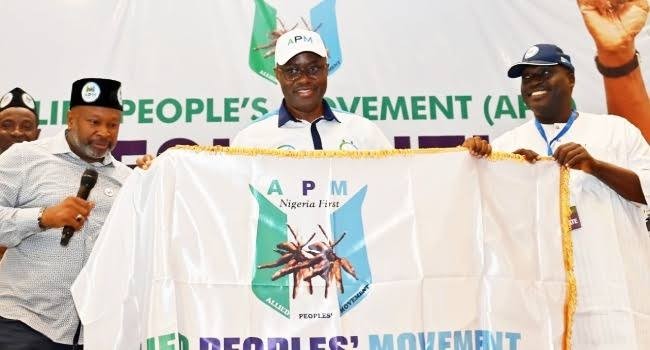
A Makinde presidential candidacy threatens to consolidate that PDP-leaning base behind him and complicate Tinubu’s South-West calculations.
PARTIES WITH PARALLEL CANDIDATES
Four parties have produced rival claimants, and INEC will recognise only one per party:
ADC: Atiku (INEC-recognised David Mark faction) vs Dumebi Kachikwu (rival faction).
Kachikwu, the ADC’s 2023 presidential candidate, had warned for months that the party was being packaged for Atiku. His rival candidacy is now a factional protest with no INEC backing.
PDP: Sandy Onor (INEC-recognised Wike faction) vs Jonathan (Turaki faction).
Onor is widely regarded as a placeholder candidate whose faction is aligned with the Tinubu administration. Jonathan is the bigger name but lacks INEC recognition at this stage of the race.
SDP: Adewole Adebayo (Sadiq Gombe-led NWC, whose legal standing was restored by a Supreme Court ruling on May 22) vs Abimbola Atanda (Shehu Gabam faction, whose legal basis was nullified by the same ruling).
Adebayo contested in 2023; Atanda is the lesser-known figure whose claim now looks significantly weakened.
LP: Chibuzo Okereke (Nenadi Usman faction) vs Kennedy Ahanotu (Julius Abure faction).
The Labour Party, which delivered Obi’s remarkable 25 per cent showing in 2023, is now deeply fractured and fighting over its own identity.
THE VETERANS AND SERIAL CANDIDATES
Donald Duke (PRP)
Donald Duke of the Peoples Redemption Party (PRP) won the party primary but his emergence was immediately disputed, with allegations that he joined the party days before the contest and was reportedly outside the country while votes were being counted in his favour.
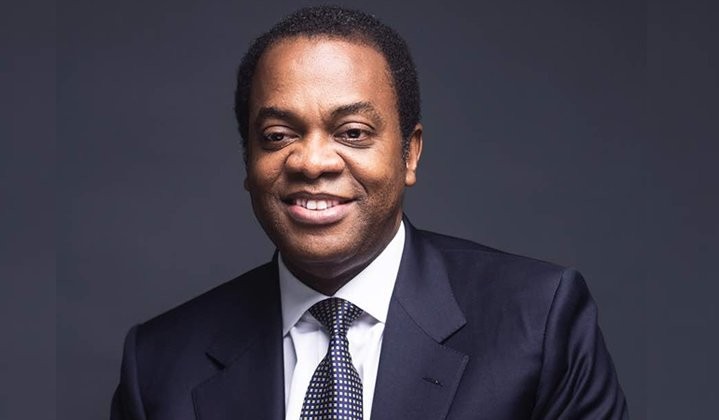
The former Cross River governor is a respected figure but the PRP has limited national reach.
Omoyele Sowore (AAC)
Omoyele Sowore of the African Action Congress (AAC) is running for the third consecutive time, having polled 33,953 votes in 2019 and 14,608 in 2023.
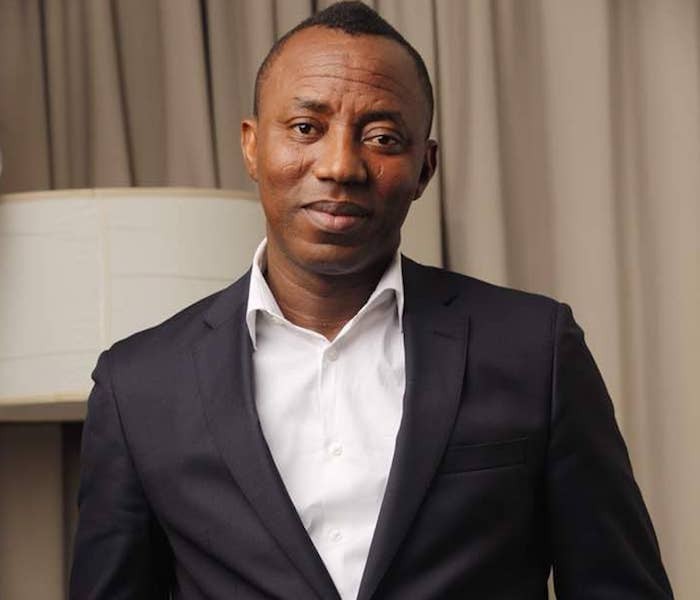
His socialist, anti-corruption platform resonates with a niche constituency but has never translated into significant numbers.
Gbenga Olawepo-Hashim (Accord Party)
Gbenga Olawepo-Hashim (Accord Party) contested in 2019 under Peoples Trust and has remained active in opposition coalition discussions.
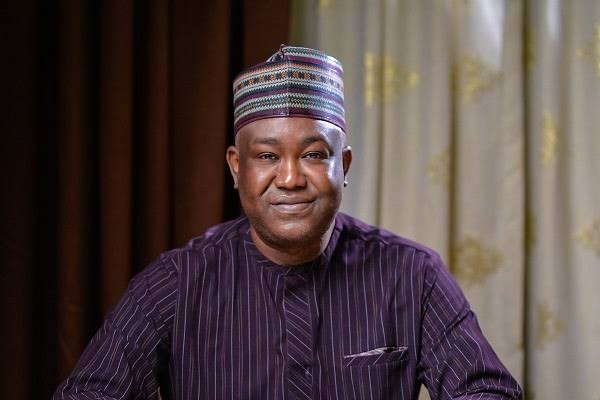
But the Accord Party, which on Sunday adopted him as its presidential candidate, has historically been a minor electoral force.
Dan Nwanyanwu (ZLP)
Dan Nwanyanwu of the Zenith Labour Party (ZLP) is the veteran politician and ZLP founder who has pledged to tackle insecurity and corruption as flagship priorities.
The ZLP has a social democratic identity but limited national footprint.
THE NEWCOMERS
Aliyu Bin Abbas (ADP)
Aliyu Bin Abbas of the Action Democratic Party (ADP), a former aide to Atiku, has framed his bid around youth inclusion and generational change.
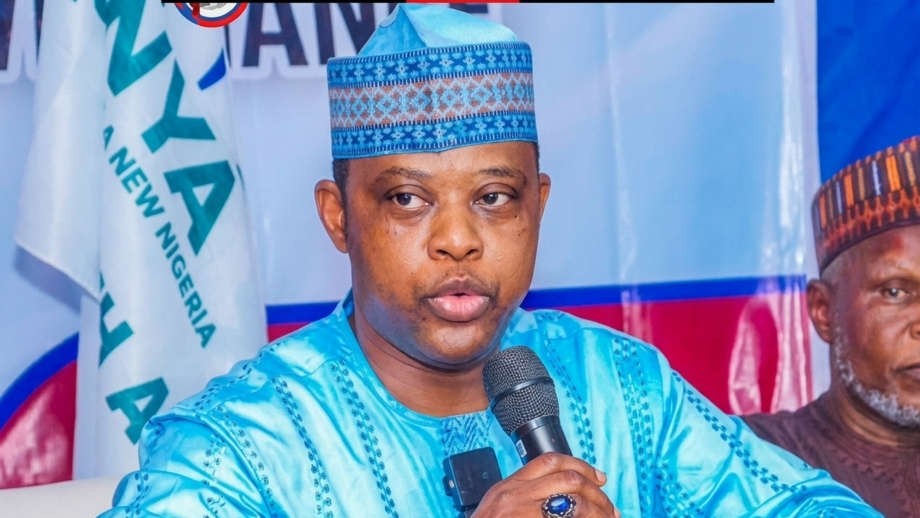
He has sought to separate his ambition from his previous work for the former vice-president.
Samuel Memeh (DLA)
Samuel Memeh emerged from Nigeria’s newest registered party, the Democratic Leadership Alliance (DLA), which only received INEC approval in early 2026.
The party expressed confidence that its candidate would provide the leadership required to address Nigeria’s socio-economic and governance challenges while advancing its vision for national development.
But at this point of the campaign, his candidacy is largely unknown at the national level.
Adekunle Rufai Omoaje (AA)
Adekunle Rufai Omoaje is the Action Alliance’s (AA) National Chairman who nominated himself as presidential candidate — a pattern common among smaller parties.
Omoaje, a politician from Ede, Osun State, was formally presented as the party’s flagbearer during a ceremony in Abuja on Saturday, where he accepted the nomination and pledged to provide leadership anchored on integrity, fairness and inclusiveness.
Chibuzo Okereke (LP — Usman faction)
Chibuzo Okereke holds a PhD in Legislative Governance Studies and was adopted by consensus by the Nenadi Usman-led LP faction.
His emergence carries the irony of leading a party that once generated Nigeria’s most exciting presidential campaign in a generation.
Sandy Onor (PDP — Wike faction)
Sandy Onor is the INEC-recognised PDP candidate, but observers regard his candidacy as structurally subordinate to the Tinubu administration’s interests given Wike’s political alignment.
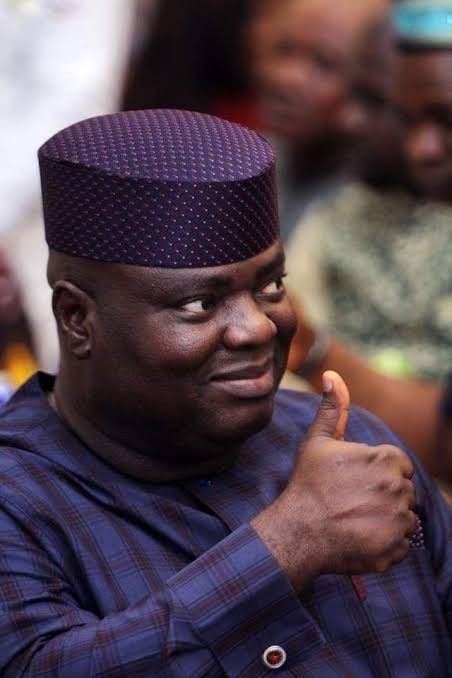
Onor served as the senator representing Cross River Central Senatorial District from 2019 to 2023. He was also the PDP governorship candidate in the state in 2023.
WOMEN IN THE RACE
Three women have secured presidential tickets in the same election cycle, but none is expected to significantly alter the race’s outcome.
Esther Nkem Okereke (NRM)
Esther Nkem Okereke of the National Rescue Movement (NRM), a Nollywood actress and film producer, is the first actress in Nigerian history to run for president.
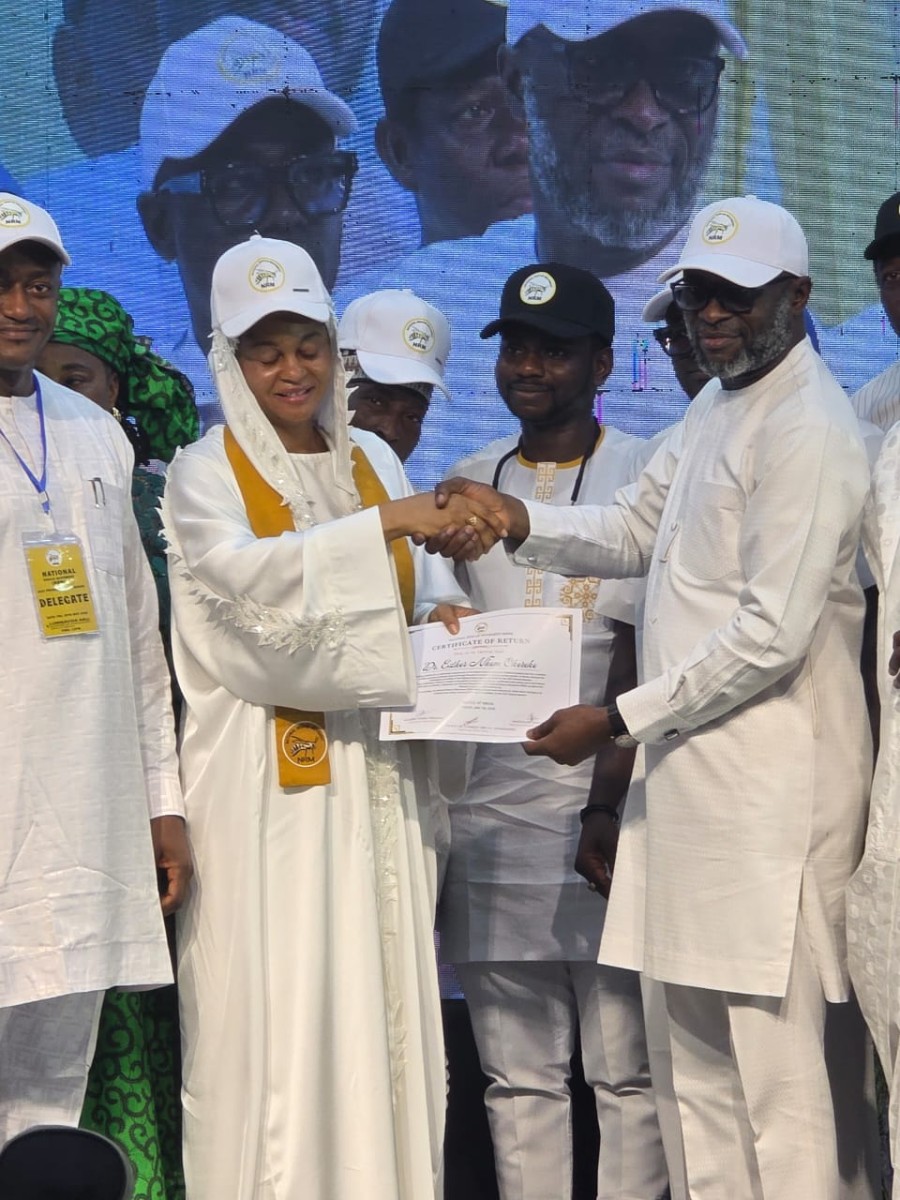
In her acceptance speech, Okereke described her nomination as a “sacred assignment” and a call to national service rather than personal ambition.
She said her vision is to build a nation driven by unity, innovation, economic growth and inclusive development, adding that Nigeria’s current struggles should not define its future.
Ada Fredrick Okwori (NDP)
Ada Fredrick Okwori, a former National Democratic Party (NDP) National Chairman, emerged through consensus and has been described by her party as a grassroots mobiliser.
Announcing its choice on Monday, two days after the INEC deadline, the party said it was confident that the platform and its candidate have the capacity to secure a major victory at the polls in 2027.
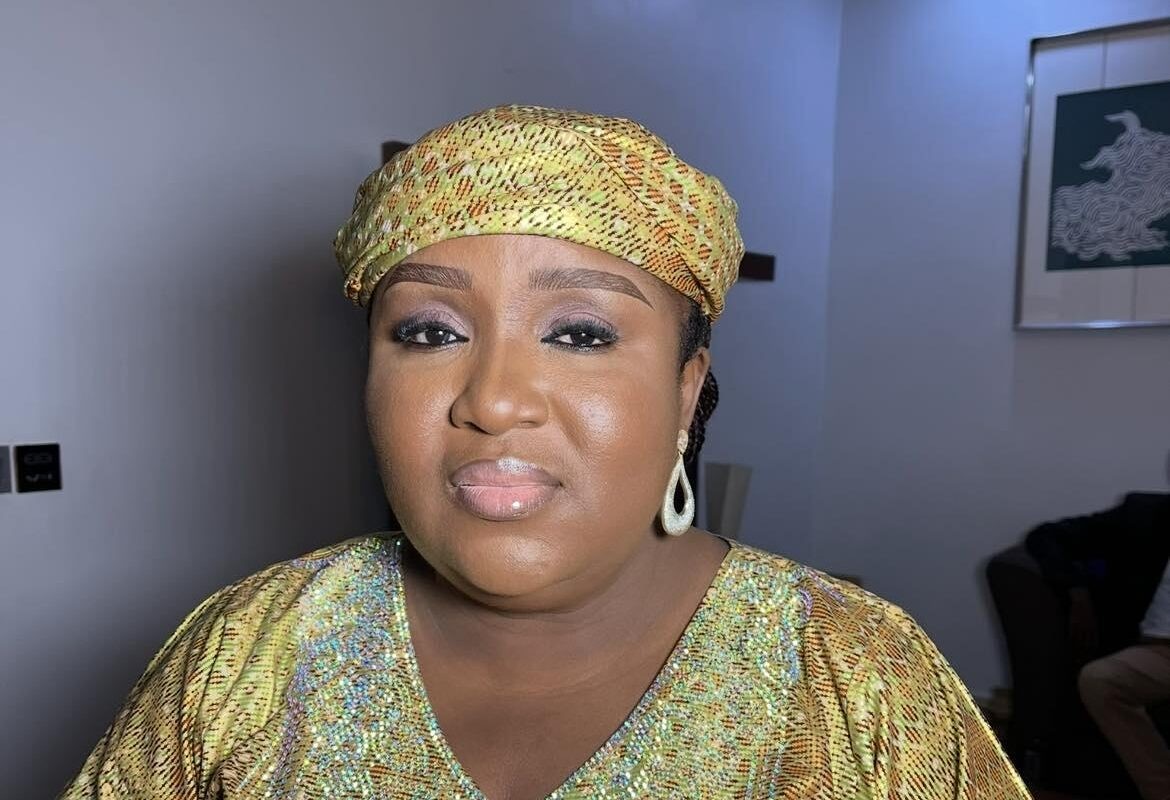
It is unclear whether the party completed the process before the May 30 deadline.
Anita Zugwai-Chukwu (YPP)
Anita Zugwai-Chukwu of the Young Progressives Party (YPP), the party’s National Women Leader, was adopted unopposed at the YPP’s third national convention in Abuja on Saturday.
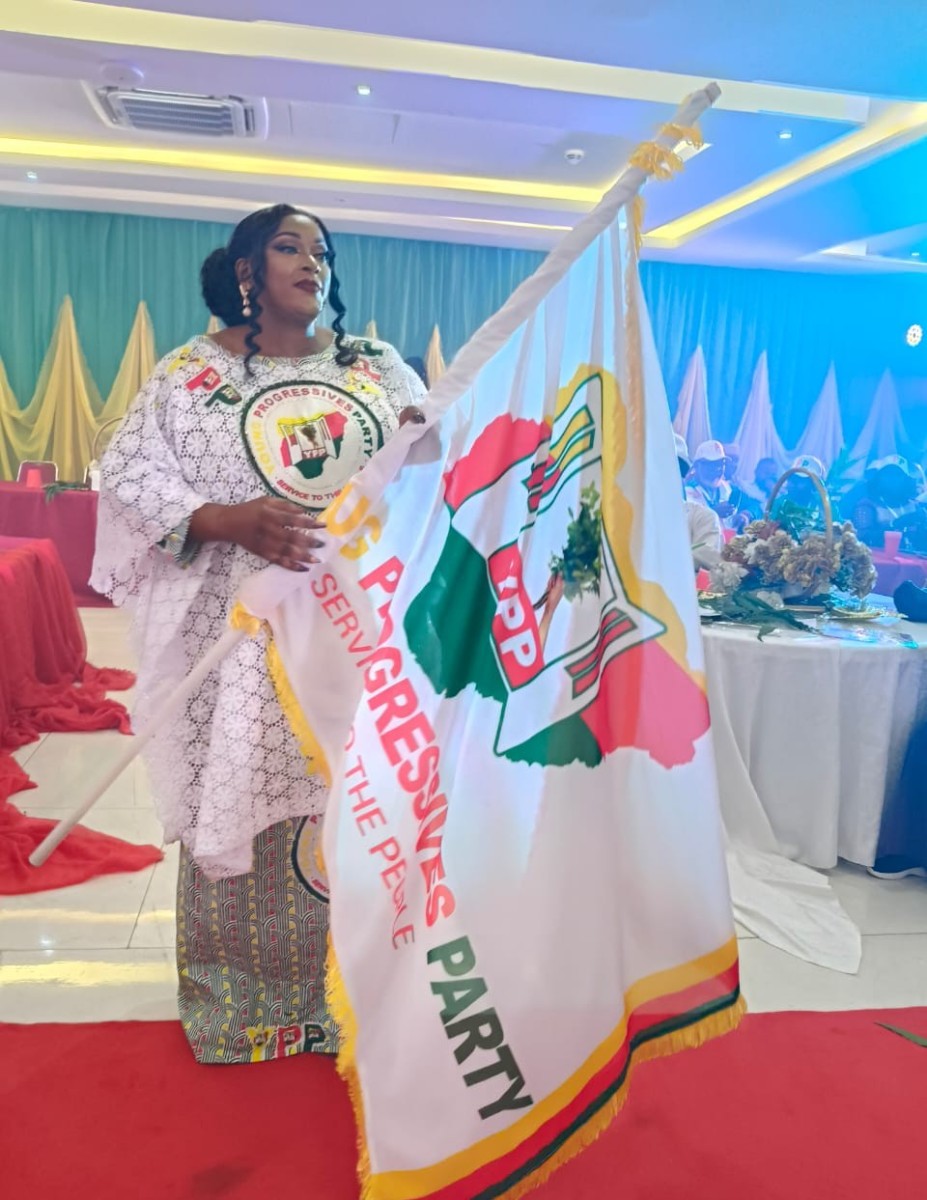
At the event, Zugwai-Chukwu unveiled Agenda 469, a political initiative she said is aimed at increasing the party’s presence in the National Assembly and driving reforms through legislative action.
It is worth noting that Nigeria has never produced a female president or vice president, and nothing about the current field suggests 2027 will change that.
All four women are running on platforms with limited national electoral infrastructure, and none has broken into the consciousness of mainstream political discourse. The ceiling for women in Nigerian presidential politics remains firmly intact.
FURTHER READING
THE DYNAMICS THAT WILL SHAPE THE RACE
Incumbency vs economic pain
Tinubu’s structural advantages are enormous, but so is voter frustration with the cost of living, according to political observers.
How Nigerians ultimately judge three years of “renewed hope” will be as decisive as any party arithmetic.
The divided opposition problem
With Atiku, Obi, Jonathan and Makinde all pursuing independent campaigns, the anti-incumbency vote is being carved into pieces.
A united opposition could theoretically overwhelm Tinubu’s 2023 numbers; a fragmented one almost certainly cannot.
The Jonathan wildcard
If the courts legitimise his candidacy, Jonathan reshapes the entire northern calculus, drawing from the same voter pool Atiku needs and potentially making an already complicated opposition arithmetic impossible to resolve.
The courts
Four parties have parallel candidates. Whatever emerges from litigation across the ADC, PDP, SDP and LP will significantly determine the shape of the final ballot and possibly the outcome of the race itself.
Philip Ibitoye is a Special Correspondent with EKO HOT BLOG. Click here to find daily analysis and critical insight on trending issues in Lagos and other parts of Nigeria.
Click to watch the video of the week below: