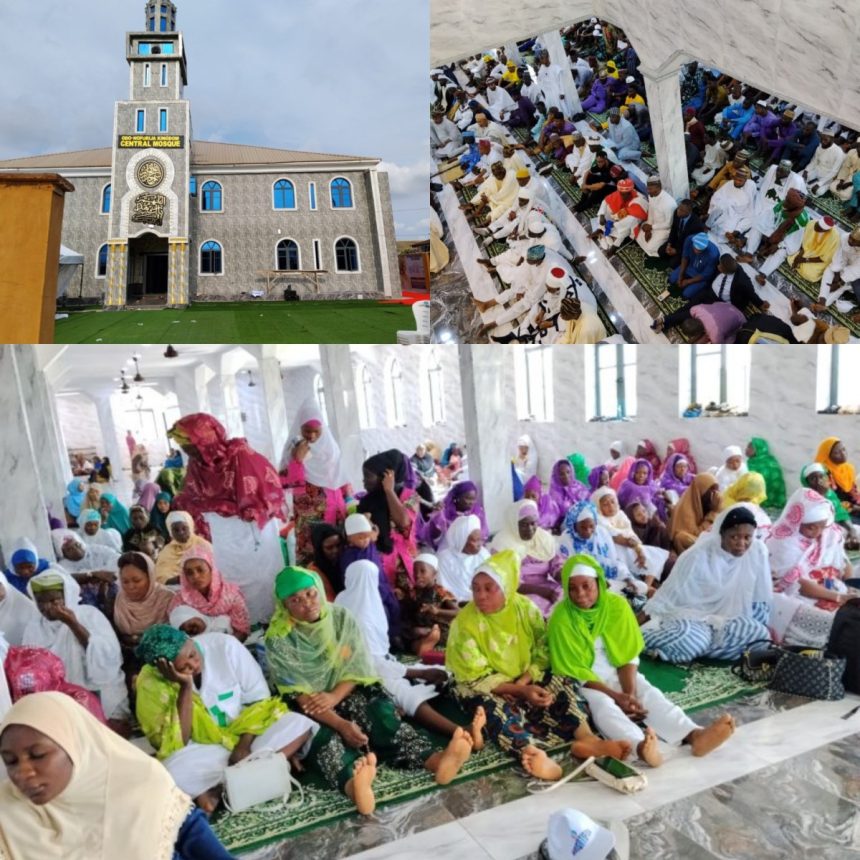
The old Ratibi Mosque, built in 1830, stood as more than a place of worship. It was where faith was learned, practiced, and passed down.
EDITOR’S PICKS
- JAMB Delists 23 CBT Centres, Warns 89 After Mock UTME Review
- NASA Astronauts Return to Earth After First Human Trip to the Moon in 50 Years
- INEC Shifts Nationwide Voter Revalidation Until After 2027 General Election
For nearly two centuries, it remained central to the identity of Muslims in the kingdom, quietly shaping community life through prayer, gatherings, and shared traditions.
That long history was disrupted when the mosque was demolished during the expansion of the Epe–Ijebu Ode Expressway.
For many residents, the loss was deeply felt. It was not just the removal of a building, but the disappearance of a space tied to memory and belonging.
Yet, rather than allowing that moment to define them, the community chose a different path by rebuilding.
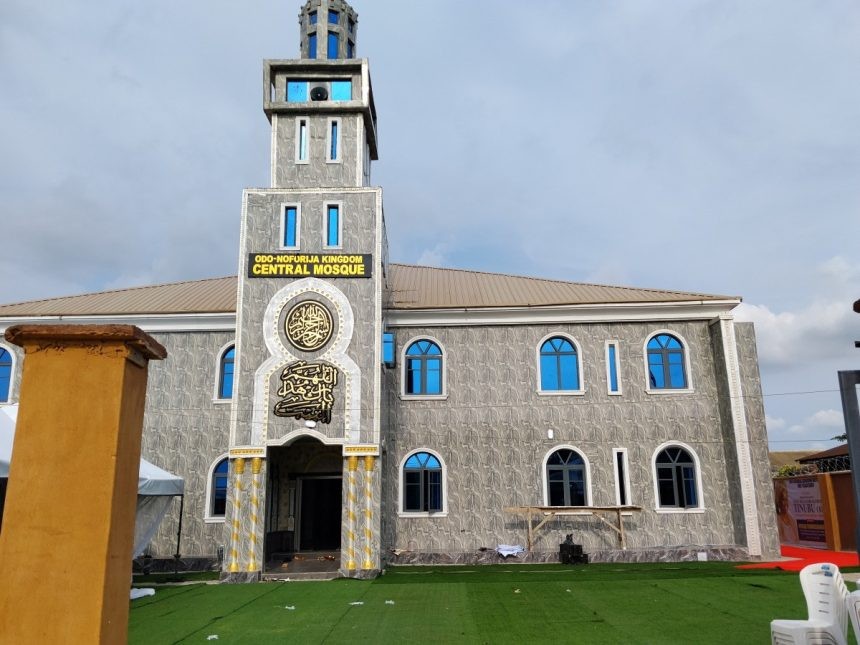
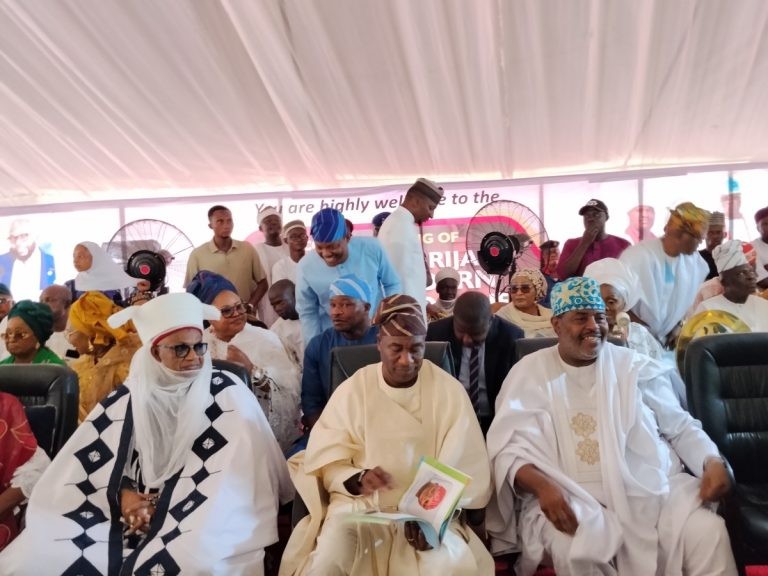
On Friday, April 17, 2026, that decision came full circle as the new ultra-modern Central Mosque was officially commissioned in Odo-Noforija, in the Epe Division of Lagos State.
Speaking at the ceremony, the Aladeshoyin of Odo-Noforija Kingdom, Babatunde Olaogun Ogunlaja, described the moment as one of fulfilment, reflecting on a journey that began with loss but ended in renewal.
The new mosque stands along the same corridor, but its presence reflects a different scale and vision. Built to accommodate about 3,000 worshippers, it features a spacious interior, modern finishing, and a layout designed for large congregational gatherings.
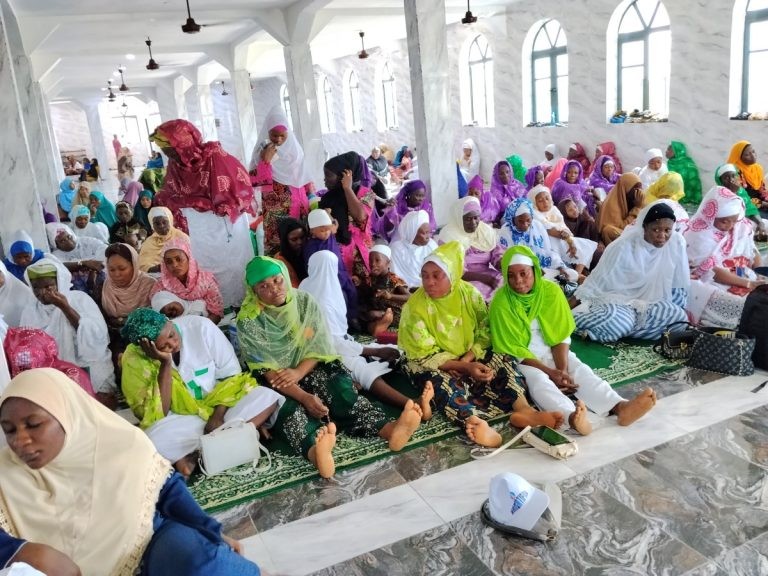
Its significance, however, goes beyond size.
The project was made possible through the efforts of Alhaji Abdul Jelili Animashaun, a respected figure in the Hajj and Umrah sector, whose support ensured the completion of the mosque.
Working alongside the monarch and community stakeholders, the effort transformed what began as a loss into an opportunity for growth.
Moments from the commissioning captured that transition.
Shortly after the unveiling, the mosque hosted its first Jumat prayer, led by the Chief Imam of the National Mosque, Abuja, marking a powerful continuation of the spiritual journey that began nearly 200 years ago.
For many in Odo-Noforija, the connection between the past and present is offers continuing.
While the Ratibi Mosque no longer stands, its legacy lives on in the faith it nurtured.
The new Central Mosque does not replace that history. It extends it.