- the killing goes beyond a routine battlefield loss and instead exposes deeper structural weaknesses within the country’s defence system
- he added that incidents like this can damage troop morale, especially when senior commanders are lost in combat
- he encouraged citizens to stay actively involved in governance and to hold elected leaders accountable through lawful
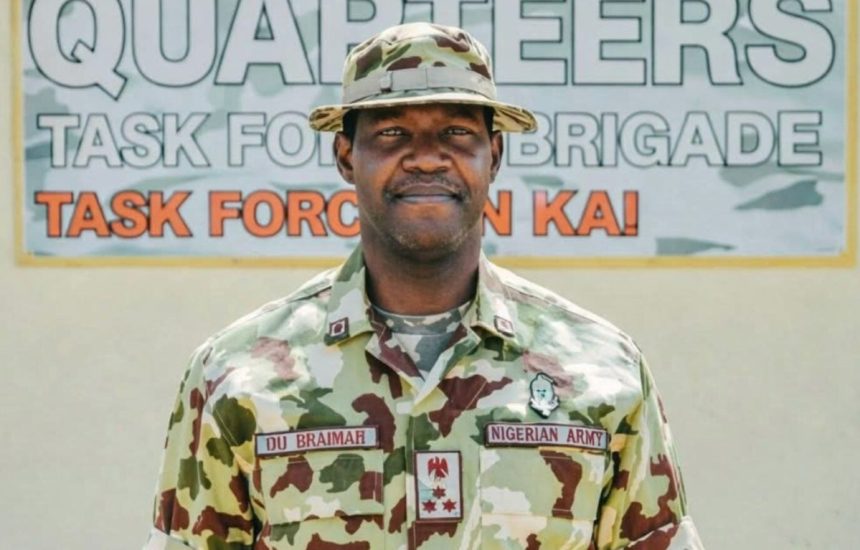
A civil society organisation has described the killing of Brigadier General Oseni Braimah as a serious wake-up call for Nigeria, warning that the country’s security system is showing dangerous weaknesses.
The Resource Centre for Human Rights and Civic Education (CHRICED) made this known after the Defence Headquarters confirmed that Braimah, who commanded the 29 Task Force Brigade in Benisheikh, Borno State, was killed during a terrorist assault on a military base, Eko Hot Blog gathered.
EDITOR’S PICK
- Interior Ministry Orders Immediate Deactivation of Passports for Former Citizens
- Iran Sets Conditions as US Warns Ahead of Talks
- 7 Things People Over 50 Should Do Every Morning for Better Health
The attack, which occurred in Kaga Local Government Area, also claimed the lives of three other personnel, including two officers and two soldiers.
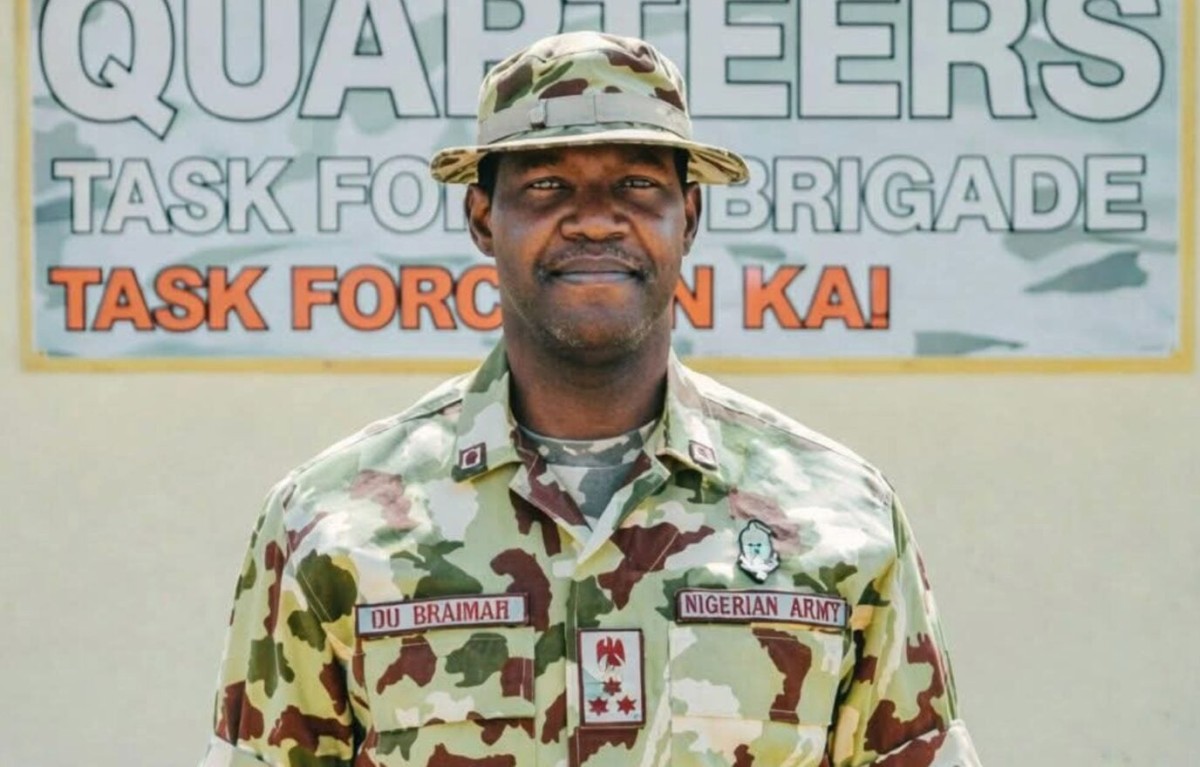
Speaking at a press briefing in Abuja, CHRICED’s Executive Director, Ibrahim Zikirullahi, said the incident highlights the severity of Nigeria’s security challenges.
According to him, the killing goes beyond a routine battlefield loss and instead exposes deeper structural weaknesses within the country’s defence system.
He noted that the death of a high-ranking officer in what should have been a secure and fortified environment raises serious concerns about operational effectiveness.
Zikirullahi warned that such an घटना sends a troubling signal about the nation’s ability to protect both its military personnel and civilians.
He further explained that the attack points to critical gaps in intelligence, planning, and defensive preparedness within the armed forces.
Beyond operational issues, he added that incidents like this can damage troop morale, especially when senior commanders are lost in combat.
Zikirullahi also observed that insurgent groups appear to be growing more confident and capable, now able to carry out coordinated strikes against significant military targets. This, he said, increases fear among the public and reinforces the belief that no one is truly safe.
Describing the killing as a reflection of broader systemic failures, he stressed that the issue goes beyond the loss of one officer and instead reveals long-standing problems that have allowed insecurity to worsen across the country.
He called for urgent action, including a thorough review of leadership, strategy, intelligence coordination, equipment, and political commitment to security.
According to him, the incident should serve as a clear warning that Nigeria’s current security framework requires comprehensive reform.
Zikirullahi urged authorities to prioritise accountability and implement meaningful changes to strengthen national defence.
He also called on journalists to continue investigative reporting, expose wrongdoing, and resist pressure that could undermine press freedom, while promoting accurate information.
In addition, he encouraged citizens to stay actively involved in governance and to hold elected leaders accountable through lawful and peaceful means, emphasising that democracy depends on active public participation.
FURTHER READING