- Group Raises Alarm Over Nigeria’s High Malaria Deaths
- The initiative aims to reach at least 2,000 residents through testing, awareness campaigns, and distribution of preventive tools
- The campaign is designed not only to reduce infections but also to challenge complacency
A non-governmental organisation, Hacey Health Initiative, has raised concerns over Nigeria’s high malaria death toll, noting that the country continues to record one of the highest malaria prevalence rates in Africa and accounts for more than 39 per cent of malaria-related deaths on the continent.
Eko Hot Blog reports that while speaking at a community sensitisation programme in Asaba, Delta State, the organisation’s Programme Manager, Bamidele Oyowenu, described the situation as “alarming and unacceptable.” He stressed that vulnerable groups, particularly children under five and pregnant women, are the hardest hit due to limited access to timely diagnosis and treatment.
EDITOR’S PICK
- Gana Warns Kidnappers Using Students as Shields
- Senator Katung Explains Defection to APC
- Immaculate Conception Catholic Church, Ibonwon, Celebrates Christ the King Feast
Oyowenu explained that Hacey Health Initiative, in partnership with Access Holdings Plc, is implementing the End Malaria Project in Delta and Rivers States. The initiative aims to reach at least 2,000 residents through testing, awareness campaigns, and distribution of preventive tools.
“Many Nigerians still cannot distinguish between malaria and an ordinary fever. We are conducting community testing and sensitisation to help people know their status. Nigeria continues to rank among African countries with the highest malaria prevalence, and the high mortality rate, over 39 per cent of malaria deaths in Africa, should concern everyone,” he said.
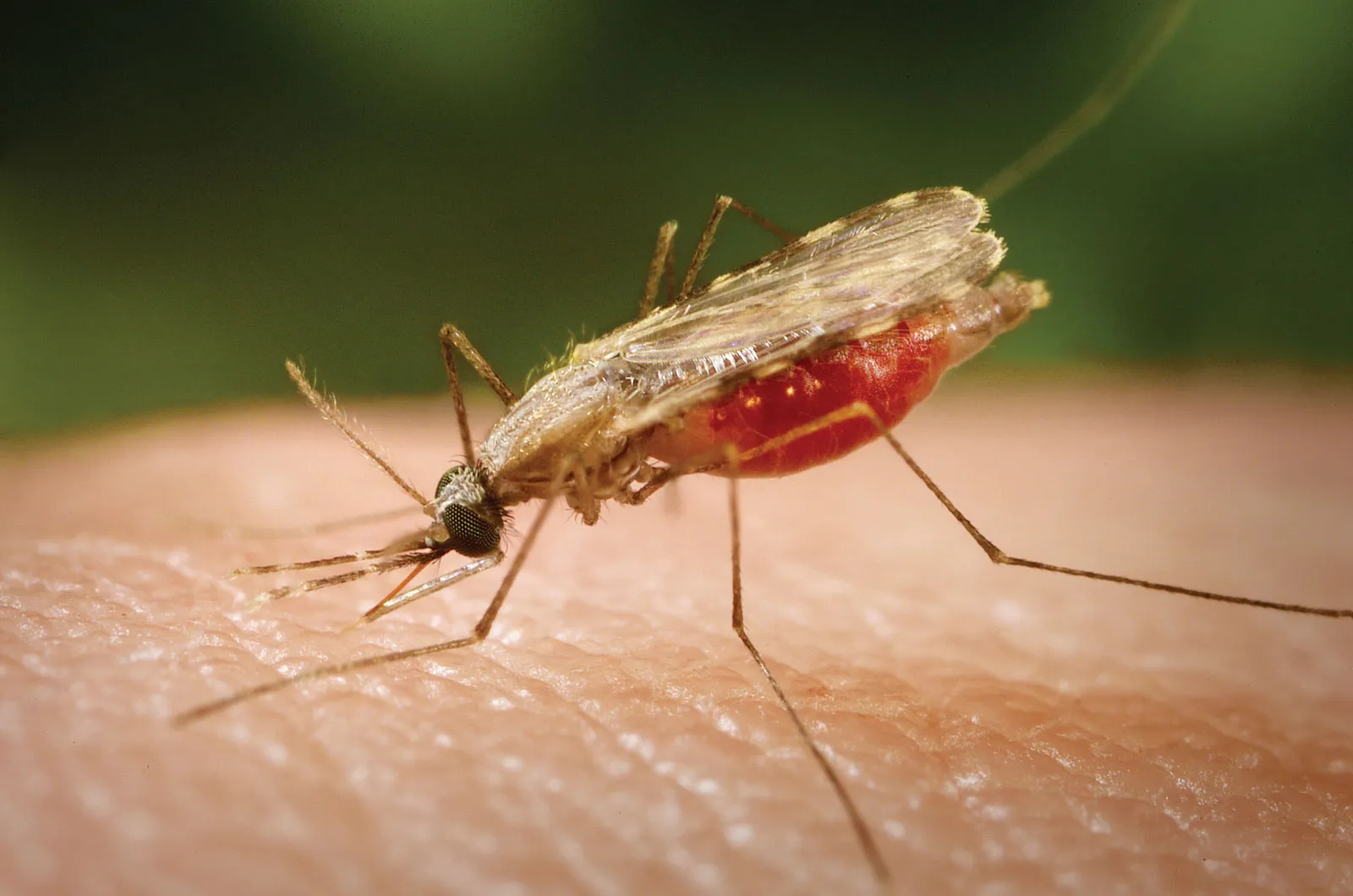
He added that the initiative also focuses on educating communities about early detection, proper treatment, and the use of treated mosquito nets, which are being distributed to women, pregnant mothers, and other vulnerable groups. The campaign is designed not only to reduce infections but also to challenge complacency that has allowed malaria to remain a leading killer in Nigeria despite decades of interventions and billions spent on eradication efforts.
Dibie Eucharian, Delta Regional Manager of Access Bank, said the bank’s involvement aligns with its commitment to improving the well-being of communities. “Health is one of the key areas we support. Access Bank is committed to improving the lives of our customers and the communities where we operate,” she said, adding that the bank will continue to partner on initiatives that strengthen public health systems.
FURTHER READING
- 38 Abducted Kwara Church Members Regain Freedom
- Nigeria’s Security Struggles: Intelligence Failures, Insider Sabotage, and the Renewed Fight Under Tinubu
- Education District III Holds Orientation for Newly Recruited Teachers, Charges Them on Professionalism and Purpose
Click here to watch video of the week