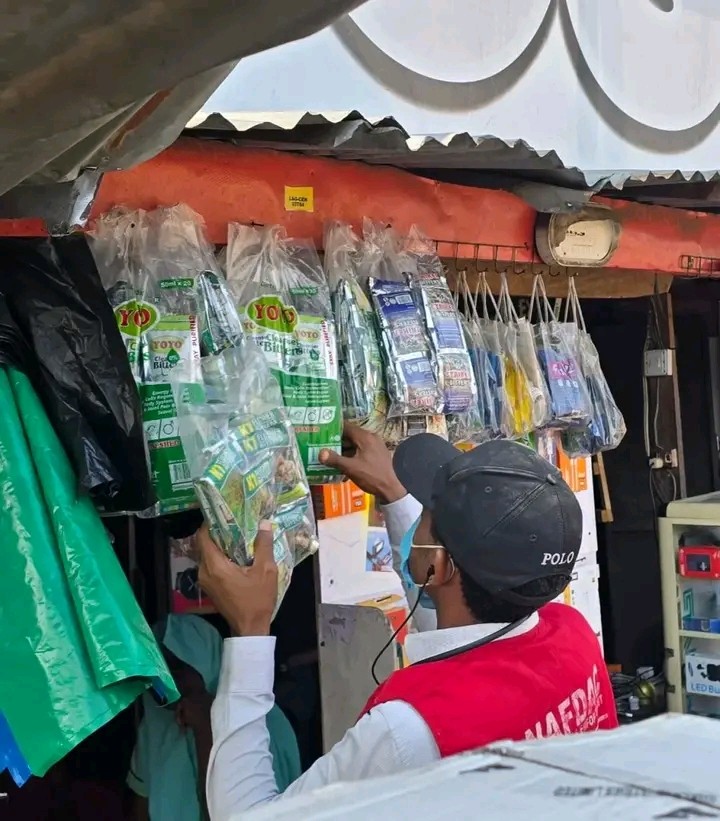
- The National Agency for Food and Drug Administration and Control (NAFDAC) has officially kicked off a comprehensive, nationwide enforcement campaign to seize and mop up all alcoholic beverages packaged in sachets and polyethylene terephthalate (PET) bottles below 200 millilitres.
- Coordinated enforcement units have fanned out simultaneously across all six geopolitical zones in Nigeria, targeting open markets, motor parks, neighborhood retail shops, bars, supermarkets, and transport hubs.
- The regulatory action reinforces the Federal Government’s policy designed to curb rampant underage drinking, prevent substance abuse, eliminate easy concealment among school children, and address the growing public health risks tied to high-content spirit drinks in small containers.
The National Agency for Food and Drug Administration and Control (NAFDAC) has commenced a sweeping nationwide enforcement operation to remove alcoholic drinks packaged in sachets and small polyethylene terephthalate (PET) bottles below 200 millilitres from public circulation.
Eko Hot Blog reports that the decisive regulatory action, which kicked off simultaneously across the six geopolitical zones of the country, marks a major phase in implementing the Federal Government’s total ban on the production, importation, distribution, marketing, sale, and consumption of small-volume alcoholic products.
EDITOR’S PICKS
- FG Partners With Chinese Investors To Secure Land For 10,000-Home Mass Housing Project
- Intelligence Materials Were Shared With US, Not Seized – DHQ
- Man Arraigned in Adamawa Over Alleged Abuse Involving Daughter
According to an official statement issued by the regulatory body on Wednesday, specialized enforcement task forces have been deployed into major commercial hubs, traditional open markets, interstate motor parks, neighborhood retail outlets, bars, and informal supply channels to identify, confiscate, and destroy non-compliant products.
This latest market-level mop-up follows the earlier phase of enforcement that targeted production lines, during which NAFDAC sealed several non-compliant manufacturing plants and manufacturing warehouses across different industrial hubs in the federation.
Having cut off primary production, the agency is now systematically clearing out existing retail stock and informal distribution networks to ensure the complete elimination of these items from the Nigerian market.
The agency issued a stern warning to all commercial stakeholders, including manufacturers, importers, nationwide distributors, wholesalers, retail store owners, street hawkers, and commercial transporters, demanding that they immediately surrender any lingering stock of the banned sachet and small-volume bottled alcoholic beverages to the nearest NAFDAC office.
Regulatory officials emphasized that continued possession, transport, display, or sale of the affected items represents a direct violation of federal laws and regulatory codes, which will attract immediate product seizure, severe regulatory fines, factory closure, and formal criminal prosecution.
Detailing the health imperatives driving the government’s policy, NAFDAC Director-General, Prof. Christianah Mojisola Adeyeye, noted that the proliferation of high-alcohol content spirits in tiny, cheap containers has created an unprecedented public health menace.
Because sachet alcohol and small PET bottles are remarkably inexpensive and easily concealable in pockets or school bags, they have become highly accessible to minors, school children, commercial drivers, and vulnerable demographics.
The agency further highlighted that unrestricted access to cheap, high-proof alcohol in motor parks has contributed significantly to road traffic accidents, domestic violence, school dropouts, and rising social vices.
Officials stressed that the ban does not stop the legitimate production of alcoholic beverages altogether, but specifically targets small pack sizes under 200ml that promote unregulated, impulsive, and concealed consumption. Approved larger bottle sizes remain permissible for adult consumption under regulated conditions.
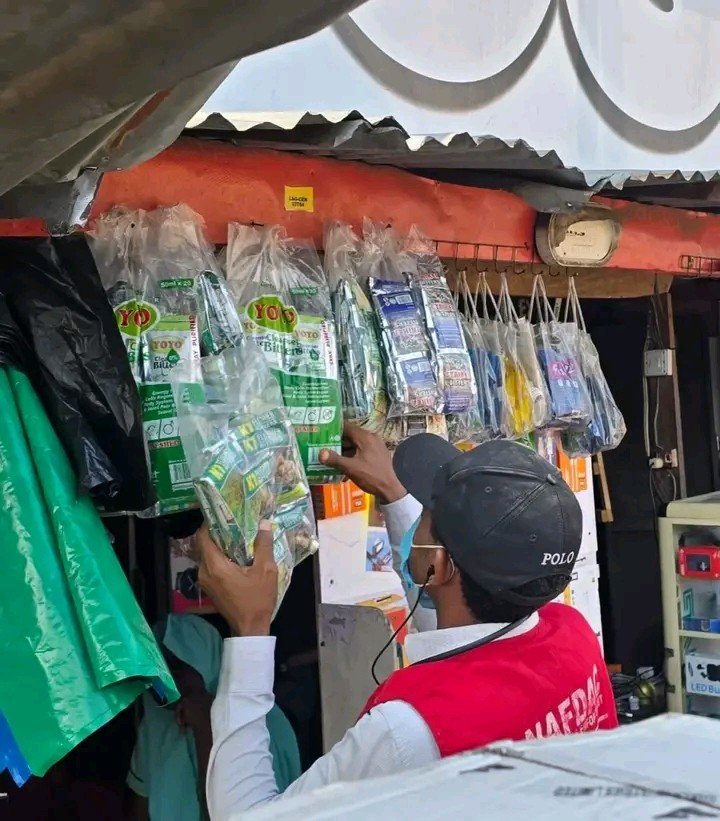
NAFDAC reiterated that the current enforcement exercise is not a temporary or one-off blitz, but the beginning of a sustained, long-term regulatory oversight and public enlightenment campaign.
The regulatory body appealed to members of the public, community leaders, school authorities, and religious institutions to actively support the exercise by refusing to purchase banned alcoholic beverages and reporting non-compliant vendors or clandestine production sites to NAFDAC officers or via its official hotlines.