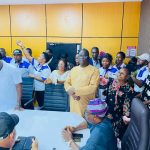
When the Comptroller-General of Customs, Bashir Adeniyi, announced the automation of overtime cargo clearance on Monday, it was more than a routine reform.
It marked a step forward in the country’s long-running struggle to modernise trade processes and reduce bottlenecks that stifle economic growth. By extending the clearance window for overtime cargoes from 30 days to 120 days and digitising the process, the Nigeria Customs Service (NCS) is signalling a stronger commitment to efficiency, transparency, and investor confidence.
EDITOR’S PICKS
What are Overtime Cargoes?
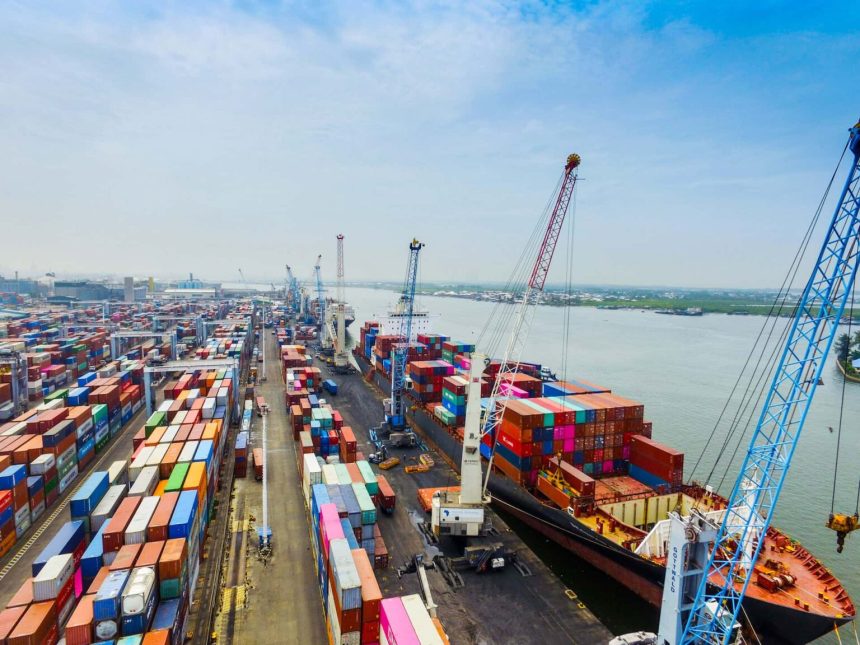
Overtime cargoes refer to goods left uncleared at the port beyond the statutory period—30 days under Nigerian law. These consignments often pile up due to abandoned shipments, network failures, bureaucratic red tape, or disputes over documentation. Under the Nigeria Customs Service Act 2023, such goods may be disposed of after 120 days through e-auction or other approved channels, while perishable and inflammable items can be cleared immediately to avoid accidents.
In practice, however, the process has been fraught with delays and inconsistencies, creating uncertainty for consignees, shipping companies, and terminal operators. Nearly half of the correspondence reaching the comptroller-general’s office each day involves requests for clearance extensions.
Why the Automation Matters
The newly launched electronic clearance system directly addresses these bottlenecks. According to Adeniyi, the platform will streamline procedures, reduce reliance on manual approvals, and strengthen data integrity. Importers and clearing agents can now track the status of consignments digitally, cutting down on delays caused by paperwork or human interference.
Assistant Comptroller-General of Customs, Isah Umar, explained that the e-clearance system is designed to enhance transparency and harmonise documentation through the single goods declaration (SGD). It will also automatically record cargo disposals, providing a real-time audit trail that helps curb corruption and inefficiency.
A Boost to Ease of Doing Business
For businesses, time is money. Delays at the port translate into higher demurrage charges, supply chain disruptions, and increased costs for consumers. By extending the overtime cargo window to 120 days, the NCS is giving importers a wider margin to resolve issues before their goods risk disposal.
More importantly, automation removes the guesswork and discretionary barriers that have long plagued port operations. A digital framework ensures accountability, offers predictability for businesses, and strengthens Nigeria’s competitiveness as a trade hub.
Adeniyi emphasised that importation is not only about generating customs revenue but also about facilitating economic development. “Our goal is not just to generate revenue but to ensure goods reach their owners quickly and efficiently,” he told stakeholders at a sensitisation programme in Lagos.
Moreover, not all overtime cargoes are the result of negligence. Some are deliberately abandoned due to disputes or unprofitable shipments, while others are trapped in limbo by network challenges. By building in an automated clearance system, Customs is reducing the risk of consignments being unfairly delayed.
The NCS has also created a dedicated help desk to prioritise clearance of government project cargoes, ensuring that critical infrastructure and public service projects are not stalled at the port.
The Road Ahead
While less than one percent of cargoes arriving in Nigeria’s ports in 2024 were classified as overtime, Customs believes automation can drive that figure down to zero. Continuous feedback from terminal operators and shipping companies will be critical in ironing out teething problems.
FURTHER READING
Ultimately, this reform is about more than clearing goods faster; it is about aligning Nigeria’s trade infrastructure with global standards. If fully implemented and maintained, the automation of overtime cargo clearance could significantly strengthen Nigeria’s ease of doing business rankings, lower costs for businesses, and attract the foreign investment the country badly needs.
Philip Ibitoye is a Special Correspondent with EKO HOT BLOG. Click here to find daily analysis and critical insight on trending issues in Lagos and other parts of Nigeria.
Click here to watch the video of the week below: