
The Federal Government’s 30-year concession agreement with Quaint Energy for the 6-megawatt Ikere Gorge Hydropower Project in Oyo State marks a significant development in Nigeria’s quest for sustainable electricity.
Signed in Abuja and presided over by Minister of Power, Adebayo Adelabu, on Wednesday, the deal concludes more than a decade of negotiations and revives one of the country’s long-abandoned hydro assets.
EDITOR’S PICKS
Adelabu described the concession as a milestone in the broader strategy to expand renewable energy generation and diversify the national power mix.
He said the Ikere Gorge and the 2MW Omi-Kampe Hydropower Project in Kogi State form part of the government’s drive to strengthen state-level electricity markets and boost access in underserved areas.
“These plants have the potential to deliver reliable electricity to surrounding communities, support agricultural processing zones, small industries, and social infrastructure, and catalyse rural economic transformation,” the minister said, framing the projects as both energy and development investments.
Decades of Dormancy and Unfulfilled Potential
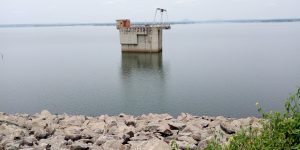
The Ikere Gorge Dam, conceived in the late 1970s as a multi-purpose scheme for power generation, irrigation, and water supply, has a long history of missed opportunities. Built on the Ogun River in Iseyin Local Government Area, the dam holds an estimated 690 million cubic metres of water, ample for hydropower production.
Initial plans under early civilian and military administrations envisioned a much larger power output.
However, after partial construction and procurement of turbines and electrical components in the 1980s, the power component stalled. Efforts to commercialise or revive the project in subsequent decades failed, leaving vital infrastructure to deteriorate.
By partnering with Quaint Energy, the government now hopes to turn decades of neglect into a model for private-sector-driven rehabilitation. “Through public–private partnerships like this concession, we are unlocking capital, technology, and innovation from the private sector to deliver projects that directly impact citizens and strengthen energy security,” Adelabu said.
Testing the Model for Broader Impact
For Quaint Energy, the challenge lies in turning long-idle equipment into a functioning, reliable power source. The company’s chairman, Femi Adeyanju, assured stakeholders of timely delivery in line with global standards, noting that the project’s success could demonstrate the firm’s capability to implement sustainable power ventures.
But the real test will be whether this model — reviving dormant hydropower sites through concessions — can be replicated nationwide. Nigeria has dozens of small and medium-scale dam projects with untapped potential. If the Ikere Gorge deal succeeds, it could signal a new era of decentralised, renewable-driven power generation under a more open market structure.
While the 6MW capacity is modest compared to national demand, the project’s significance lies in what it represents: a shift toward pragmatic partnerships that blend public oversight with private efficiency.
FURTHER READING
If properly implemented, the Ikere Gorge concession could launch a path toward broader energy diversification and finally turn Nigeria’s hydropower potential into tangible electricity for millions of people without regular electricity.
Philip Ibitoye is a Special Correspondent with EKO HOT BLOG. Click here to find daily analysis and critical insight on trending issues in Lagos and other parts of Nigeria.
Click here to watch the video of the week below: