- Nigeria’s inflation and FX markets show renewed stability after major CBN reforms.
- Investor confidence rises as backlogs clear and reserves hit multi year highs.
- CBN targets stronger resilience, digital growth, and price stability in 2026.
Nigeria’s economy is entering a more stable phase, according to the Governor of the Central Bank of Nigeria, Olayemi Cardoso, who says recent reforms have pushed the country firmly onto a recovery path. Cardoso spoke at the 60th Annual Bankers Dinner of the Chartered Institute of Bankers of Nigeria in Lagos, where he stated that the nation has “turned a decisive corner” after two years of monetary adjustments.
EDITOR’S PICKS
- Lagos East Senator, Tokunbo Abiru Celebrates Men on International Men’s Day
- Nathaniel Bassey Condemns Kwara, Kebbi Attacks
- 42 Countries Confirm 2026 World Cup Qualification As UEFA Sets Playoff Paths
EKO HOT BLOG reports that he highlighted a steady decline in inflation as one of the clearest signs of progress. Headline inflation, which peaked at 34.6 per cent in November 2024, fell to 16.05 per cent by October 2025, while food inflation dropped to 13.12 per cent. He said the CBN will continue fine-tuning its tools to guide inflation toward single digits.
Cardoso also confirmed the full settlement of the foreign exchange backlog inherited by the current administration, previously estimated at more than seven billion dollars. He linked renewed confidence in the FX market to reforms such as rate unification, the Electronic Foreign Exchange Management System, and the Nigerian FX Market Conduct Code. The gap between official and parallel rates has now narrowed to less than 2 per cent.
Investor interest has strengthened, with inflows rising to 20.98 billion dollars in the first ten months of 2025, a 70 per cent increase over the whole of 2024. External reserves have climbed to 46.7 billion dollars, the highest in nearly seven years, supported by improved liquidity, non-oil exports, and diaspora remittances.
He noted that bank recapitalisation is advancing well, as 27 banks have raised new funds and 16 have already met the new capital requirements ahead of the March 2026 deadline. Stress tests carried out this year show that the financial system remains stable.
Cardoso highlighted Nigeria’s removal from the Financial Action Task Force grey list as a major milestone, saying the move has eased pressure on correspondent banking relationships and improved global confidence. He also pointed to strong growth in digital payments and fintech activity, backed by over 12 million contactless cards and an expanding regulatory sandbox.
Rating agencies, including Fitch, Moody’s, and S&P, have upgraded Nigeria’s outlook in response to these reforms. Looking ahead to 2026, he said the Bank will focus on price stability, stronger bank resilience, deeper digital payment infrastructure, improved oversight of fintech firms, and modernised internal processes.
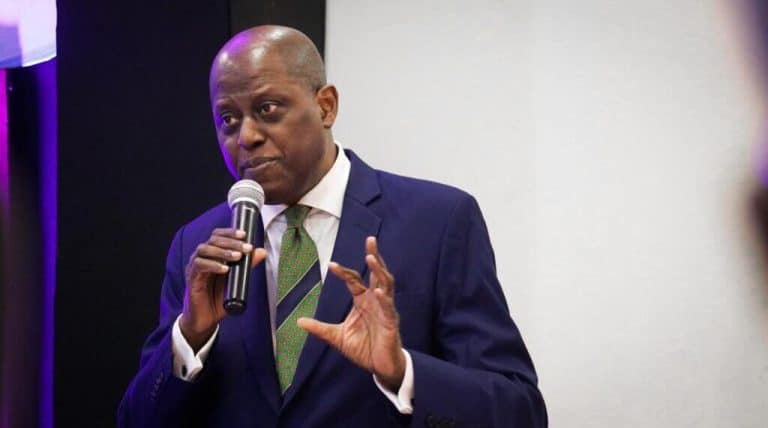
Cardoso said Nigeria is now better positioned to withstand external shocks due to a more flexible exchange-rate system, stronger reserves, rising non-oil exports, and a growing services sector.