- IPI Flags IGP Egbetokun, Two Governors Over Press Restrictions.
- DSS boss praised for correcting abuses highlighted by the institute.
- Information Minister reaffirms commitment to a free and independent press.
The International Press Institute Nigeria on Tuesday released its Book of Infamy, listing Inspector General of Police Olukayode Egbetokun and two state governors for actions described as unfriendly to press freedom, while honouring the Director General of the Department of State Services, Adeola Oluwatosin Ajayi, for positive interventions.
EDITOR’S PICKS
- Lagos East Senator, Tokunbo Abiru Celebrates Men on International Men’s Day
- Nathaniel Bassey Condemns Kwara, Kebbi Attacks
- 42 Countries Confirm 2026 World Cup Qualification As UEFA Sets Playoff Paths
EKO HOT BLOG reports that the document was unveiled by Vice President Kashim Shettima during the second Annual Conference of IPI Nigeria in Abuja.
According to the institute, IGP Egbetokun ignored repeated appeals to halt what it described as arbitrary arrests of journalists by police operatives.
Akwa Ibom Governor Umo Eno was cited for preventing Channels Television reporters from accessing the Government House to cover official activities, while Niger State Governor Mohammed Umar Bago was criticised for ordering the shutdown of Badeggi FM, a private radio station.
In contrast, the DSS Director General was commended for addressing issues raised by the institute, including removing veteran journalist Lanre Arogundade from the terrorism watch list after four decades, following sustained advocacy.
The Minister of Information, Mohammed Idris, who served as Special Guest, used the event to emphasise the critical role of an independent press in sustaining democracy. He urged stakeholders to examine claims of systemic repression against available evidence and reaffirmed the administration’s stance that a free, credible and independent press remains central to national accountability.
Idris further stated that security agencies now operate under stricter protocols to respect journalists’ rights in conflict zones and public demonstrations.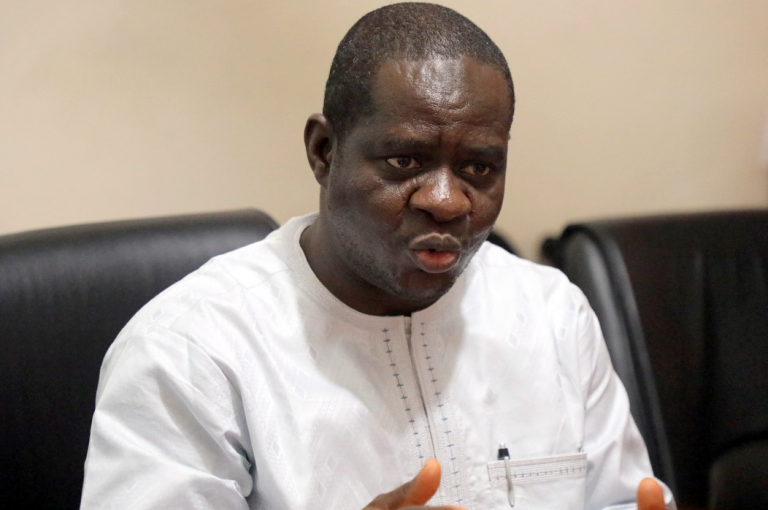
He added that the government is committed to maintaining a supportive environment for licensed media organisations to operate without fear.