- According to IPMAN, the availability of locally refined PMS has improved fuel distribution across the country
- The refinery reaffirmed its commitment to steady supply, transparency and collaboration with regulators and stakeholders
- He noted that marketers have consistently lifted products without complaints
The Independent Petroleum Marketers Association of Nigeria (IPMAN) has renewed its call for an end to the continued importation of Premium Motor Spirit (PMS), insisting that local refining capacity, particularly from the Dangote Refinery, is sufficient to meet national demand.
Eko Hot Blog reports that IPMAN also rejected claims linking the rise in petrol imports recorded in November 2025 to any collapse of supply arrangements between Dangote Refinery and petroleum marketers, describing such reports as misleading and detached from on-the-ground realities.
EDITOR’S PICK
- DDG Says Streaming Pays More Than Music
- NRC Records Massive Passenger Turnout as 50 Percent Festive Fare Discount Ends
- SERAP Urges Tinubu to Probe Alleged ₦128bn Power Funds
The association clarified that its members have not experienced supply disruptions since the commencement of product loading from the Dangote Refinery. According to IPMAN, the availability of locally refined PMS has improved fuel distribution across the country and boosted confidence within the downstream sector.
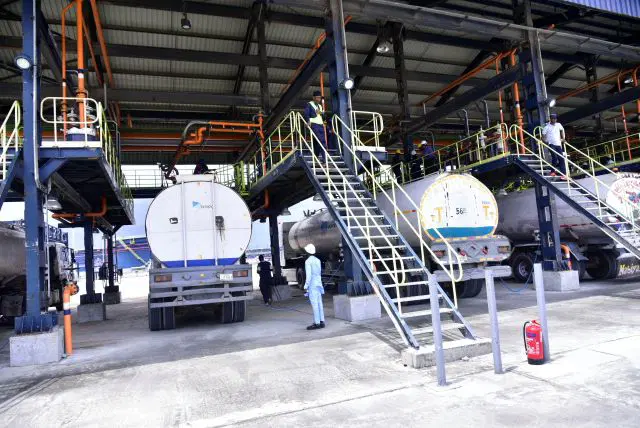
Speaking on behalf of the association, IPMAN National President, Abubakar Maigandi Shettima, said independent marketers are firmly behind Dangote Refinery’s operations.
He noted that marketers have consistently lifted products without complaints, stressing that continued fuel importation is unnecessary given the refinery’s production capacity.
Shettima added that the refinery’s decision to supply fuel directly to filling stations has strengthened distribution efficiency and helped stabilise the market, ultimately benefiting consumers through improved access and pricing.
He maintained that increased reliance on domestic refining has eased supply pressures, reduced uncertainty among marketers, and reinforced IPMAN’s belief that local production is the most sustainable path for Nigeria’s downstream petroleum industry.
In the same vein, Dangote Petroleum Refinery dismissed reports of a failed supply agreement, stating that its engagement with marketers remains intact and well-structured.
The refinery explained that its supply framework was deliberately designed to expand access, encourage competition and respond to growing market demand.
According to the refinery, PMS supply to marketers began in October 2025 with an initial offtake of 600 million litres, which was scaled up to 900 million litres in November and later increased to 1.5 billion litres in December to reflect rising absorption capacity.
The company disclosed that since December 16, 2025, it has been loading between 31 million and 48 million litres of PMS daily from its gantry, depending on market demand, adding that these figures are verifiable through regulatory depot records.
To further deepen participation, the refinery said it reduced minimum purchase requirements from two million litres to 250,000 litres and introduced a 10-day credit facility backed by bank guarantees, a move aimed at supporting smaller operators and improving liquidity in the sector.
Dangote Refinery stressed that expanded access to locally refined PMS has encouraged higher utilisation, reduced dependence on imports and supported more competitive pump prices, noting that its ex-gantry pricing remains market-aligned and compliant with regulatory standards.
Addressing the November spike in petrol imports, the refinery explained that the increase resulted from import licences approved by the previous leadership of the Nigerian Midstream and Downstream Petroleum Regulatory Authority, and not from any failure on its part to meet supply obligations.
The refinery reaffirmed its commitment to steady supply, transparency and collaboration with regulators and stakeholders, stating that domestic refining remains critical to conserving foreign exchange, moderating fuel prices and strengthening Nigeria’s long-term energy security.
FURTHER READING