- According to details of the proposal, the plan includes a broad framework covering enhanced security presence
- Authorities say the measures are designed to ensure safer maritime operations while asserting national control over the route
- Officials noted that alongside the financial measures, new safety protocols would be implemented to guide maritime traffic
Iran’s parliamentary security body has endorsed a proposal to regulate shipping activities and introduce toll payments for vessels navigating the Strait of Hormuz, a crucial global oil transit route responsible for transporting nearly 20 percent of the world’s petroleum supply.
Eko Hot Blog reports that a member of the commission confirmed the development on Monday, stating that the initiative is aimed at reinforcing Iran’s authority over the strategic waterway while expanding the role of its military in overseeing operations within the strait.
EDITOR’S PICK
- G7 Meets in France Amid Middle East Tensions
- Epe in Focus: Tinubu to Announce Lagos APC Consensus Governorship Candidate Monday
- Bisola Badmus Rallies Support for Biola Bayo Following Heated Baba Ijesha Interview Backlash
According to details of the proposal, the plan includes a broad framework covering enhanced security presence, stricter navigation guidelines, and new financial requirements for ships passing through the corridor.
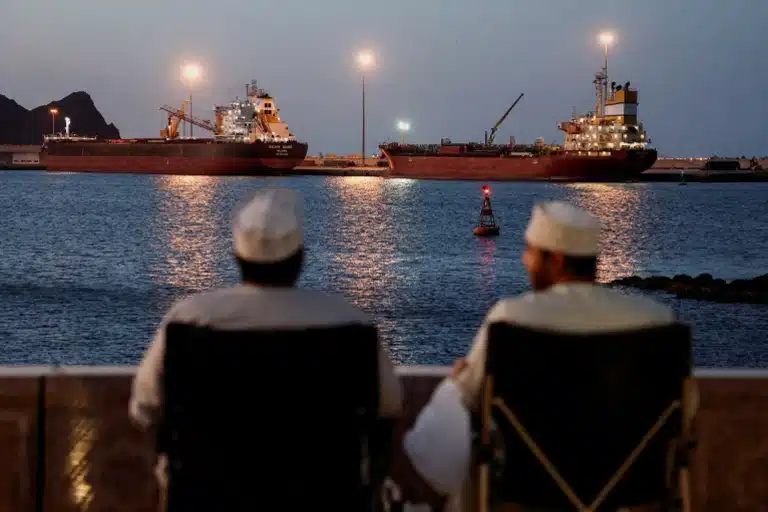
Authorities say the measures are designed to ensure safer maritime operations while asserting national control over the route.
The policy also introduces toll charges to be paid in Iran’s local currency, the rial, by vessels using the passage. In addition, the proposal contains provisions that would bar ships linked to the United States and Israel from accessing the strait.
Officials noted that alongside the financial measures, new safety protocols would be implemented to guide maritime traffic and reduce risks in the busy channel.
The Strait of Hormuz has remained a focal point of geopolitical tension, particularly following the escalation of hostilities involving United States and Israel against Iran earlier this year.
With its position as a gateway connecting the Persian Gulf to the Gulf of Oman, the strait continues to play a critical role in global energy supply.
Analysts view Iran’s latest move as a strategic attempt to strengthen its leverage over one of the world’s most important shipping lanes amid ongoing regional tensions.
FURTHER READING