- In a major strategic pivot, the United States has officially authorized an emergency session to address the ongoing military conflict between Israel and Hezbollah as the opening priority of the high-stakes peace negotiations currently underway in Switzerland.
- U.S. Vice President JD Vance arrived in Switzerland on Saturday to spearhead the American delegation, aiming to stabilize regional security alongside Iranian counterparts who reached the summit location earlier in the week.
- While Israel, Hezbollah, and the Lebanese government remain excluded from the direct discussions, the Swiss talks are being bolstered by the presence of key regional mediators from Qatar and Pakistan who are working to bridge the massive diplomatic gap between Washington and Tehran.
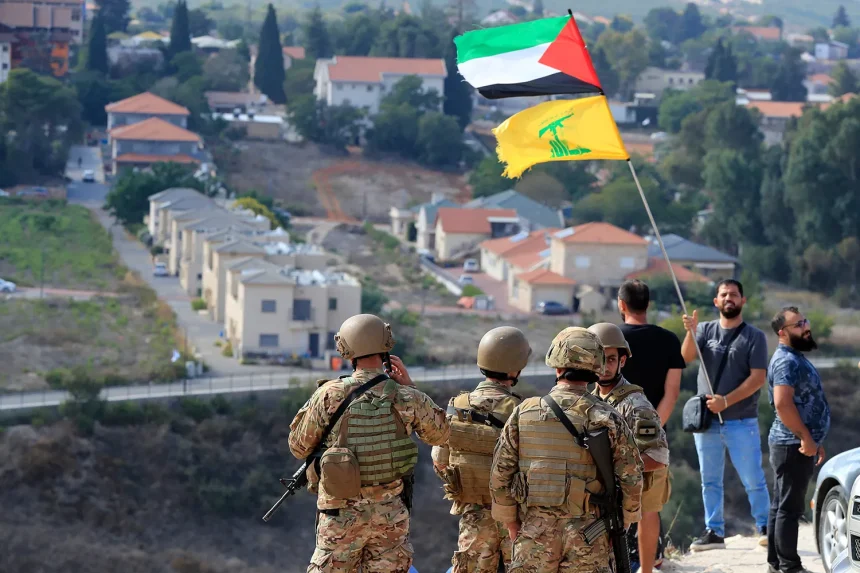
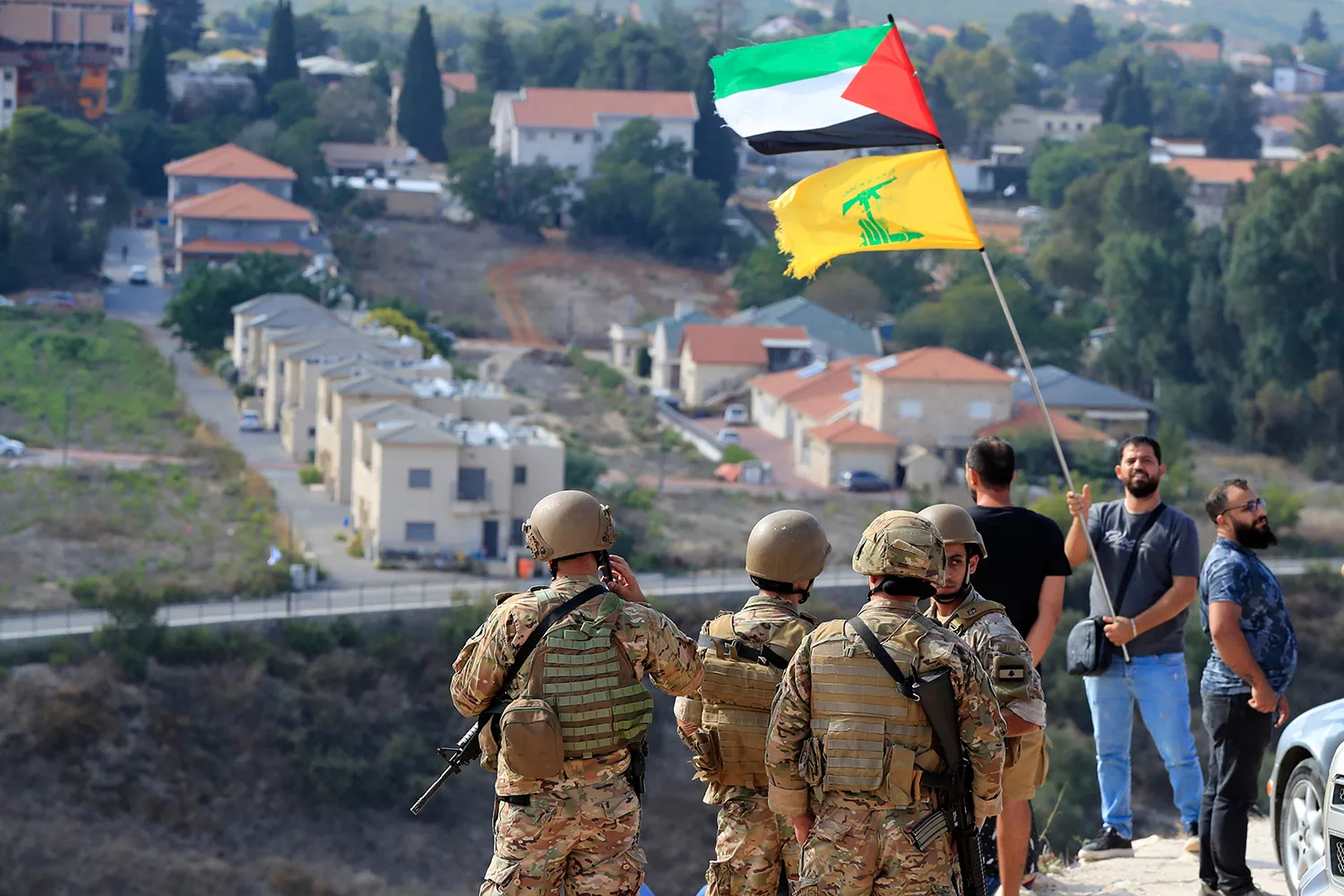
On Saturday, news broke that the opening session of the critical peace talks in Switzerland would focus exclusively on the escalating Israel-Hezbollah border conflict.
Eko Hot Blog reports that this decision marks a significant and potentially transformative change in U.S. foreign policy.
EDITOR’S PICK
- Hamzat Appoints Obanikoro as Campaign DG Ahead of 2027 Lagos Governorship Race
- Tinubu’s State Police Plan Gains Momentum as Amendment Looms
- Residents Raise Alarm After Two Bodies Found in Lagos Waterway
Historically, Washington has maintained a strict separation between direct nuclear or economic negotiations with Iran and the regional conflicts involving Tehran’s various proxies.
By allowing the Iranian delegation to formally introduce the Israel-Hezbollah fighting into the agenda, the U.S. appears to be acknowledging that the current broader peace framework cannot succeed if the regional war in Lebanon continues to spin out of control.
Vice President JD Vance, leading the American contingent, touched down in Switzerland Saturday, signaling the gravity the White House places on this round of discussions.
The Iranian delegation, having secured an early arrival, was poised to leverage this emergency session to address the situation on the ground.
The inclusion of mediators from Qatar and Pakistan further underscores the delicate nature of these talks.
These third-party nations are expected to play a vital role in de-escalating the rhetoric between the American and Iranian representatives, who have spent the past several months locked in intense, often hostile, geopolitical posturing.
Perhaps the most complicated element of these negotiations is the glaring absence of the primary belligerents.
Neither Israel, Hezbollah, nor the Lebanese government are official parties to the Swiss talks, meaning that any ceasefire or de-escalation framework discussed in Switzerland remains subject to the whims of actors who are not even in the room.
This creates a challenging “proxy negotiation” environment where U.S. and Iranian envoys are effectively trying to manage a ground war they are not directly fighting.
The shift in strategy suggests that the Biden-Trump transition or current administration officials, faced with mounting global pressure, have concluded that the Israel-Hezbollah conflict has become an existential threat to the successful implementation of the broader bilateral peace agreement being discussed.
For local observers and international analysts, the upcoming days are crucial. If the parties can move beyond procedural rhetoric and actually influence the militants on the ground, a path toward stabilization might emerge.
However, if the session ends without a concrete commitment to end the violence, the entire Swiss peace summit could be jeopardized by the very conflict the delegates are now rushing to contain.
The world watches with bated breath as the U.S. and Iran attempt to navigate a volatile, multi-front reality from the safety of a Swiss negotiating table.