-
NEC meeting chaired by VP Shettima focuses on state policing debate.
-
Tinubu insists decentralised policing is key to tackling insecurity.
-
Supporters hail reforms, critics fear abuse by state governors.
The push to institutionalise state policing is set to dominate discussions at the National Economic Council (NEC) meeting holding today in Abuja, with Vice President Kashim Shettima presiding.
The meeting, which began around 11:30 a.m. at the Council Chambers of the State House, opened with prayers led by Delta State Governor Sheriff Oborevwori before moving into a closed-door session.
EDITOR’S PICKS
- Trump Files $15bn Lawsuit Against New York Times
- Airline Operators Commend FG for Suspending 4% Import Levy
- Lagos: UBA branch, Offices Hit as Fire Guts Building in Marina
EKO HOT BLOG reports that this is the first NEC meeting since President Bola Ahmed Tinubu renewed his call for decentralised policing, describing it as central to addressing Nigeria’s worsening security challenges.
NEC, a constitutional advisory body chaired by the Vice President, comprises the 36 state governors, the Governor of the Central Bank of Nigeria (CBN), and several key ministers. Though primarily tasked with coordinating economic policies, the council frequently deliberates on broader governance issues, particularly those relating to national security.
President Tinubu had earlier reignited debate on the subject while receiving a delegation of eminent citizens from Katsina State. At the State House, he reiterated his intention to pursue security sector reforms, declaring, “I am reviewing all the aspects of security; I have to create a state police.”
Supporters of the initiative argue that decentralised policing would improve intelligence gathering, allow faster responses to local threats, and ease the burden on overstretched federal security forces. They point to worsening incidents of banditry, kidnapping, and insurgency as evidence that centralised policing is no longer effective.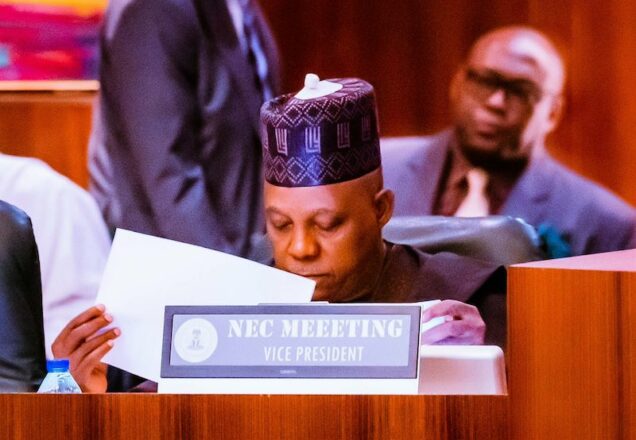
Critics, however, warn of potential misuse by state governors, who could deploy state police as instruments of political intimidation or settle local disputes. Past attempts to amend the constitution to allow state policing have repeatedly stalled at the National Assembly, despite growing public pressure for reform.
FURTHER READING
- Arrival: Trump Begins Second UK State Visit
- Sowore Sues DSS, Meta, X Over Alleged Social Media Censorship
- Utah Student Charged With Murder of Charlie Kirk, Faces Death Penalty