- JUST IN: Tinubu Govt Releases Breakdown of N15.8tn Fuel Subsidy Savings
- Reforms generated N20.4tn
- Says government spent N30.64tn on additional costs
The Federal Government has disclosed that the removal of fuel subsidy and other economic reforms implemented under President Bola Ahmed Tinubu generated N15.8 trillion in savings for the Federation Account over the past three years.
Eko Hot Blog reports that the Minister of Finance and Coordinating Minister of the Economy, Taiwo Oyedele, disclosed the figures at a press conference on Wednesday, explaining how the savings and other resources generated from the reforms were distributed and utilised.
EDITOR’S PICK
- Mr. President, Osun Has Warned You: The Abuja Boys May Not Know the People
- How Lagos Is Raising a New Generation of ‘Eco Heroes’
- Beyond the Glamour: The Hidden Price Celebrities Pay for Looking Perfect
According to Oyedele, the N15.8 trillion in savings from fuel subsidy removal accrued to the Federation Account and was shared among the three tiers of government.
He said the Federal Government received N5.43 trillion, while state governments received N6.52 trillion and local governments received N3.88 trillion.
Beyond the subsidy savings, Oyedele said the government generated an additional N3.12 trillion in incremental revenues during the period.
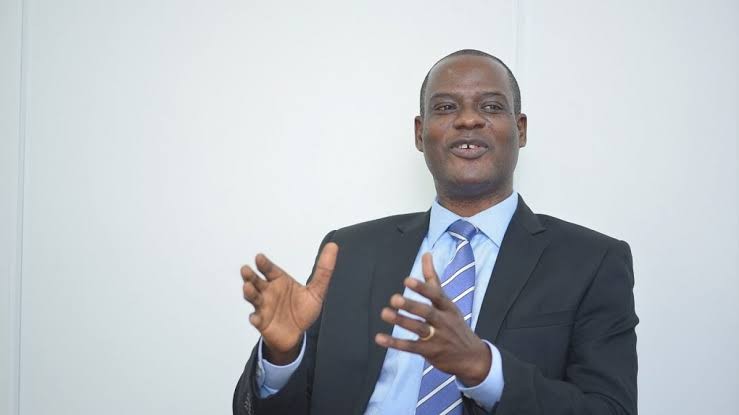
He added that the Federal Government also recorded N11.85 trillion in incremental borrowing, bringing its total incremental resources to approximately N20.4 trillion.
However, the minister stressed that the subsidy removal did not result in a huge pool of additional cash available to the Federal Government.
Instead, he said the policy helped reduce the government’s fiscal burden and lowered the amount of additional borrowing that would otherwise have been required.
“The Federal Government had approximately N20.4 trillion in incremental resources.
“Over the same period, additional expenditures amounted to approximately N30.64 trillion. Subsidy removal therefore did not create one large pool of cash available to the Federal Government. It reduced a major fiscal burden and the amount of additional borrowing that would otherwise have been required,” Oyedele said.
He disclosed that the government’s additional expenditure during the period amounted to N30.64 trillion.
Of the figure, N9.39 trillion was spent on wage adjustments, while N9.37 trillion went towards servicing external debt.
The government also spent N6.47 trillion on infrastructure and N3.14 trillion on electricity subsidies, according to the minister.
Oyedele’s disclosure provides a breakdown of how the government’s finances have changed since the implementation of some of the administration’s major economic reforms.
President Tinubu announced the removal of the petrol subsidy in May 2023, shortly after assuming office, while the administration also introduced reforms to the foreign exchange market, including the liberalisation of the naira.
The measures triggered significant increases in petrol prices and fluctuations in the value of the naira, while the government has continued to defend the reforms as necessary steps towards improving Nigeria’s fiscal position and strengthening the economy.
FURTHER READING
- UBEC Gives Dropout Girls, Young Mothers Second Chance With Agboju School
- Prepaid Water Meters Will Hurt Poor Households, CAPPA Warns Lagos
- US Diplomat Brandon Hudspeth Arrives in Lagos to Lead Consulate
Click here to watch video of the week