- Lagos, 15 States Reject Senate’s Electricity Amendment Bill
- Warn Against Reversing Power Sector Reforms
- Say Proposed Electricity Amendment Could Scare Investors Away
Lagos State and 15 other states have opposed a proposed amendment to the Electricity Act 2023, warning that it could roll back key reforms that granted states greater control over their electricity markets.
Eko Hot Blog reports that the opposition was contained in a joint memorandum submitted by state electricity regulators to the Senate Committee on Power, the Nigerian Electricity Regulatory Commission (NERC), and other relevant stakeholders.
EDITOR’S PICK
- Xenophobia: 258 Nigerians Attacked in South Africa Were Innocent – NIDCOM
- Tinubu Reveals N128bn Mortgage Support for Homeowners Across 25 States
- Nigeria Posts 340% Surge in Trade Surplus to N7.55trn in Q1
The regulators argued that the proposed Electricity Act (Amendment) Bill 2026 seeks to return significant regulatory powers to the Federal Government, despite those responsibilities having been devolved to states under the Constitution and the Electricity Act 2023.
The memorandum was endorsed by the chairmen and chief executives of electricity regulatory agencies in Abia, Anambra, Bayelsa, Edo, Ekiti, Enugu, Gombe, Imo, Kogi, Lagos, Nasarawa, Niger, Ogun, Ondo, Oyo and Plateau states.
According to the regulators, the Electricity Act 2023 has enabled states to establish sub-national electricity markets and attract investments based on the framework created by the legislation.
They noted that after previous engagements with the Senate Committee on Power, they were directed to harmonise their concerns into a single position paper for consideration by lawmakers and other stakeholders.
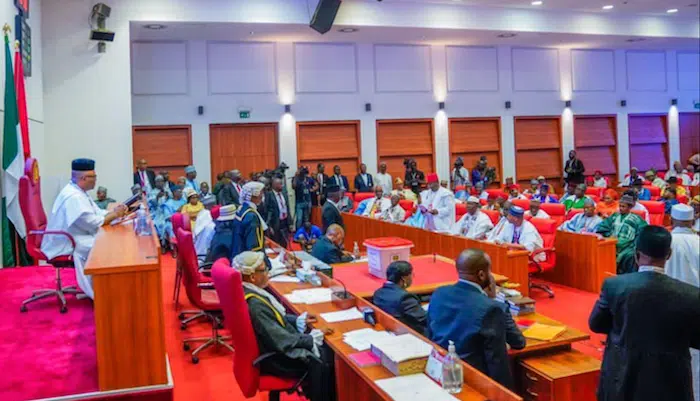
The state regulators said they identified 17 contentious provisions in the proposed amendment bill, which they believe could undermine powers already vested in states within the electricity sector.
Among the issues raised are attempts to limit the authority of State Houses of Assembly to legislate on electricity matters, questions surrounding the supremacy of state electricity laws within their respective markets, and provisions that could retain extensive federal control over activities linked to the national grid.
The regulators also expressed concerns over clauses affecting states’ participation in the wholesale electricity market, their powers to regulate independent transmission and distribution networks, and the management of the Power Consumers Assistance Fund.
They maintained that any amendment capable of reversing the gains of the Electricity Act 2023 would negatively impact investor confidence and slow the development of state electricity markets across the country.
FURTHER READING
- Lagos Pushes Climate Investment Agenda as Sanwo-Olu Set to Lead UK Summit Delegation
- Crime Has No Ethnicity, Nigeria Must Remain United Against Terrorism – Tinubu
- Tinubu Pays Tribute to June 12 Heroes with National Awards
Click here to watch video of the week