- Lagos Electricity: Sanwo-Olu Targets 3.5GW as State Pushes New Power Market
- Says Lagos Must End ‘Culture of Blackout
- Says Lagos Receives Less Than 1GW From Grid
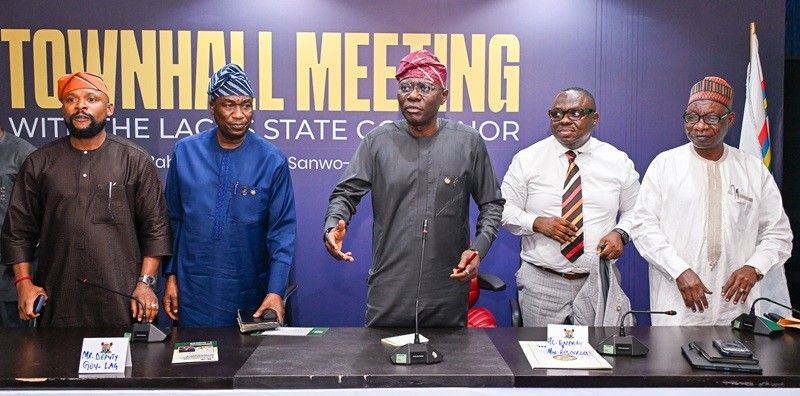
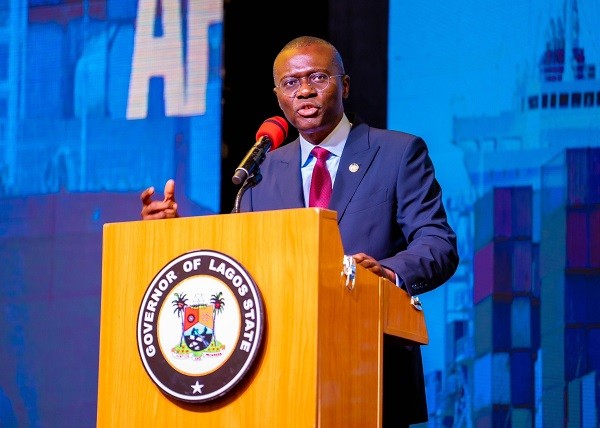
Lagos State Governor, Babajide Sanwo-Olu, has reaffirmed his administration’s commitment to tackling persistent electricity shortages in the state, setting a target of increasing power supply to about 3.5 gigawatts.
Eko Hot Blog reports that Sanwo-Olu stated this at the Lagos State High-Level Strategic Power Town Hall, where stakeholders across the electricity sector gathered to discuss solutions to the state’s power challenges.
EDITOR’S PICK
- Mr. President, Osun Has Warned You: The Abuja Boys May Not Know the People
- How Lagos Is Raising a New Generation of ‘Eco Heroes’
- Beyond the Glamour: The Hidden Price Celebrities Pay for Looking Perfect
The meeting brought together regulators, electricity distribution companies, transmission operators, investors, asset managers and representatives of the Federal Government.
The state Commissioner for Energy and Mineral Resources, Biodun Ogunleye, said the town hall was organised to end what he described as the “culture of blackout” in Lagos.
Ogunleye disclosed that Lagos currently receives less than one gigawatt of electricity from the national grid, despite the Transmission Company of Nigeria having the capacity to transmit about 3.5GW.
He said the state was working to secure an additional 2GW of electricity, with the ultimate goal of raising supply to about 3.5GW.
According to him, achieving the target would allow more electricity feeders to operate and improve power supply to households, businesses and industries across the state.
The commissioner also said newly commissioned substations would strengthen the state’s electricity infrastructure, while the government would collaborate with distribution companies to monitor selected feeders and assess improvements in supply.
On electricity tariffs, Ogunleye said consumers should not be made to “pay for darkness”, stressing that improved metering and infrastructure must accompany any increase in electricity tariffs.
Meanwhile, Special Adviser to the President on Power and Chairman of the Presidential Taskforce on Power Sector Reset and Restoration, Rilwan Babalola, said Nigeria’s electricity challenge was no longer simply about generating more power but about creating a functional and sustainable electricity market.
Babalola said the proposed Clean Lagos Electricity Market (CLEM) could help transform Lagos’ huge electricity demand into a structured and investable market through demand aggregation, bilateral contracts, open access, payment assurance and transparent settlement.
He said the proposed initial 500MW CLEM project must demonstrate that electricity could be reliably supplied, properly metered and paid for before the model was expanded.
Babalola said stakeholders would need to determine the location of electricity demand, customers, power and gas sources, network capacity, appropriate tariffs and a transparent payment system for generators, network operators and gas suppliers.
He also highlighted the opportunities created by the decentralisation of Nigeria’s electricity sector through constitutional amendments and the Electricity Act, which allow states to establish and regulate their electricity markets.
However, he cautioned against fragmentation and stressed the need for coordination between state electricity markets, the Nigerian Electricity Regulatory Commission, interstate electricity trading and the national transmission network.
The Chief Executive Officer of the Lagos State Electricity Regulatory Commission, Temitope George, identified inadequate generation and transmission capacity, energy theft, vandalism and non-payment of electricity bills as some of the major challenges affecting the sector.
George disclosed that electricity demand in Lagos, which had previously exceeded 1,500MW, had recently fallen below 1,000MW.
She urged electricity consumers to pay their bills, warning that non-payment distorts the electricity market and affects the ability of other consumers to receive reliable supply.
George also disclosed that Lagos was restructuring its existing Independent Power Projects to make them more bankable without putting excessive pressure on government finances.
She said the state was equally exploring embedded power generation to complement electricity from the national grid and reduce dependence on the national system.
George added that the ongoing decentralisation of the electricity sector was expected to support the development of a more efficient electricity market in Lagos.
She assured that the state would continue working with relevant Federal Government institutions and other stakeholders to address challenges across the electricity value chain.
FURTHER READING
- UBEC Gives Dropout Girls, Young Mothers Second Chance With Agboju School
- Prepaid Water Meters Will Hurt Poor Households, CAPPA Warns Lagos
- US Diplomat Brandon Hudspeth Arrives in Lagos to Lead Consulate
Click here to watch video of the week