- Obanikoro described the gathering as a crucial intervention at a time when effective governance increasingly depends on cooperation
- According to Obanikoro, Lagos occupies a unique position as Nigeria’s economic hub
- He concluded that only through deliberate coordination and strategic partnership can Lagos maximise public value
The Lagos State Government has restated its commitment to ending overlapping policies and poorly coordinated programmes among public agencies, warning that inefficiency arising from duplication will no longer be tolerated.
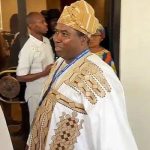
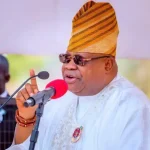
Eko Hot Blog reports that the Special Adviser to the Governor on Parastatal Monitoring, Babajide Obanikoro, delivered the message at a governance summit in Lagos themed “Enhancing Efficiency, Accountability and Strategic Governance across Lagos State and Federal Parastatals.”
EDITOR’S PICK
- DDG Says Streaming Pays More Than Music
- NRC Records Massive Passenger Turnout as 50 Percent Festive Fare Discount Ends
- SERAP Urges Tinubu to Probe Alleged ₦128bn Power Funds
Obanikoro described the gathering as a crucial intervention at a time when effective governance increasingly depends on cooperation, shared responsibility and clear institutional alignment across different levels of government.

He explained that the Parastatals Monitoring Office remains the official channel for communicating executive directives to all state agencies and will continue to ensure that government policies are properly implemented without conflict or redundancy.
The former federal lawmaker said the office would sustain its quarterly engagements with chief executives of parastatals, noting that such meetings are essential for strengthening coordination and resolving operational gaps between Lagos State institutions and their federal counterparts.
According to Obanikoro, Lagos occupies a unique position as Nigeria’s economic hub, hosting a large number of both federal and state parastatals operating within the same environment. He noted that weak coordination in the past has often led to overlapping mandates, wasted resources and reduced service delivery outcomes.
He stressed that these inefficiencies ultimately affect residents, slowing down development and weakening public confidence in governance. He added that the summit was designed to close institutional gaps, promote structured collaboration and encourage agencies to work towards shared development goals.
Obanikoro further stated that the discussions align with the state government’s T.H.E.M.E.S Agenda, which focuses on building a smarter, more inclusive, and well-governed Lagos. He emphasized that achieving this vision requires agencies to abandon silo operations and instead embrace synergy through data sharing, pooled resources and harmonised policies.
He concluded that only through deliberate coordination and strategic partnership can Lagos maximise public value and sustain its role as a model of effective governance in Nigeria.
FURTHER READING