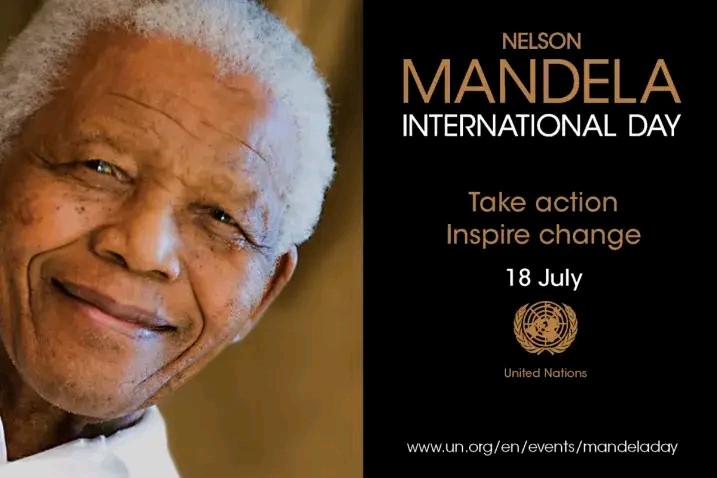
- UN Secretary-General António Guterres marked Nelson Mandela International Day with a strong call to action, declaring that poverty eradication is not an act of charity but a matter of fundamental justice.
- The official theme for 2026, “It’s still in our hands to combat poverty and inequity,” highlights the urgent need to address concentrated global wealth while millions lack basic necessities.
- Citizens worldwide are encouraged to dedicate 67 minutes to community service, honoring the 67 years the late South African anti-apartheid icon spent fighting for human rights and social justice.
United Nations Secretary-General António Guterres has urged global governments and citizens to honor the legacy of Nelson Mandela by taking measurable steps toward ending extreme poverty, closing the inequality gap, and fostering inclusive communities.
Eko Hot Blog reports that in a formal broadcast commemorating Nelson Mandela International Day, the UN Chief characterized the legendary South African president as an enduring symbol of global peace, transitional justice, and basic human rights.
EDITOR’S PICK
- Why Africa Still Cannot Win the FIFA World Cup Despite Its World Class Talent
- Man Allegedly Slits Father’s Throat, Mutilates Body in Anambra
- Lagos Court Convicts Director, Company Over N822.4m Fraudulent Conversion
The international event is celebrated annually on July 18, aligning with the birth date of the late anti-apartheid leader.
Guterres drew specific attention to the official 2026 operational theme: “It’s still in our hands to combat poverty and inequity.”
He observed that Mandela was an unwavering advocate for social equilibrium, possessing a profound understanding that systemic poverty can only be solved through deliberate systemic changes rather than temporary philanthropic relief.
The Secretary-General warned that global wealth polarization is steadily intensifying.
He noted that economic advancements achieved over the last decade have encountered significant disruptions caused by active geopolitical conflicts, sudden macroeconomic instability, and escalating climate crises.
To counteract these setbacks, the UN leader recommended that member nations prioritize institutional investments in sustainable job creation, universal healthcare coverage, standard public educational infrastructure, and resilient social safety nets.
He noted that such measures are vital for establishing fair economic frameworks that support marginalized populations.
Furthermore, Guterres advocated for comprehensive structural adjustments within the international financial architecture, including expanding access to sustainable development loans and providing targeted debt relief for emerging economies.
He added that transitioning toward modern economies driven by renewable energy would concurrently benefit global populations and stabilize the environment.
Reflecting on Mandela’s enduring impact, the UN chief expressed that the life of the late leader serves as a constant reminder of what human solidarity can accomplish.
He concluded with a plea for the international community to actively champion Mandela’s vision of an equal, inclusive, and peaceful world, starting with the traditional 67 minutes of community service to symbolize the years Mandela dedicated to social activism.