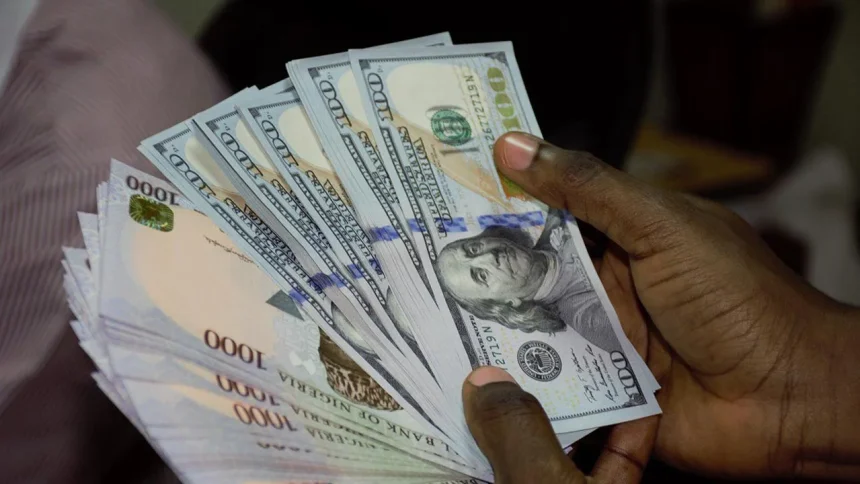
- The Nigerian Naira has depreciated to N1,385 per US dollar, slipping from its previous stable position of N1,360 as geopolitical instability in the Middle East disrupts global foreign exchange markets.
- Domestic gasoline prices have surged by over 30% following the conflict, threatening to spike inflation despite a recent ease to 15.06% in February.
- International benchmark Brent crude has rallied above $103 per barrel, fueled by supply shock fears and attacks on energy infrastructure in the Middle East.
The Naira has come under renewed pressure, falling to N1,385 against the US dollar as escalating conflict in the Middle East triggers widespread volatility in global financial and energy systems.
Eko Hot Blog reports that the Market reports on Wednesday, March 18, 2026, indicate the local currency has shed approximately 0.3% of its value over the last two weeks, undoing months of relative stability.
EDITOR’S PICK
- Ogun Begins Crackdown on Illegal Parks at Sango Border Over Rising Accidents
- Police Nab 30-Year-Old ‘Super M’ During Stop-and-Search in Lagos
- LASG Launches Investigation Into Cosmetic Surgery Death
The currency dip coincides with a 30% spike in local energy costs. Although Nigeria is a major crude exporter, the domestic economy is reeling from the “monstrous” volatility in the global sector.
Analysts at ForexTime Limited warned that the surge in transportation and energy costs will likely bleed into broader consumer prices, potentially forcing the Central Bank of Nigeria (CBN) to abandon plans for lowering interest rates in favor of a defensive stance against inflation.
“As these tensions escalate, mounting fears of inflationary shocks could force central banks to rethink their 2026 playbooks,” noted Matthew Anthony, Senior Market Analyst for Africa.
The global outlook remains tense as Brent crude maintains its position above $103 a barrel, driven by concerns over infrastructure attacks and traffic through the Strait of Hormuz.
In response to the crisis, the International Energy Agency (IEA) has launched its largest-ever oil release of 400 million barrels to stabilize prices.
However, the move has done little to deter “oil bulls,” with prices remaining firmly in the triple digits.
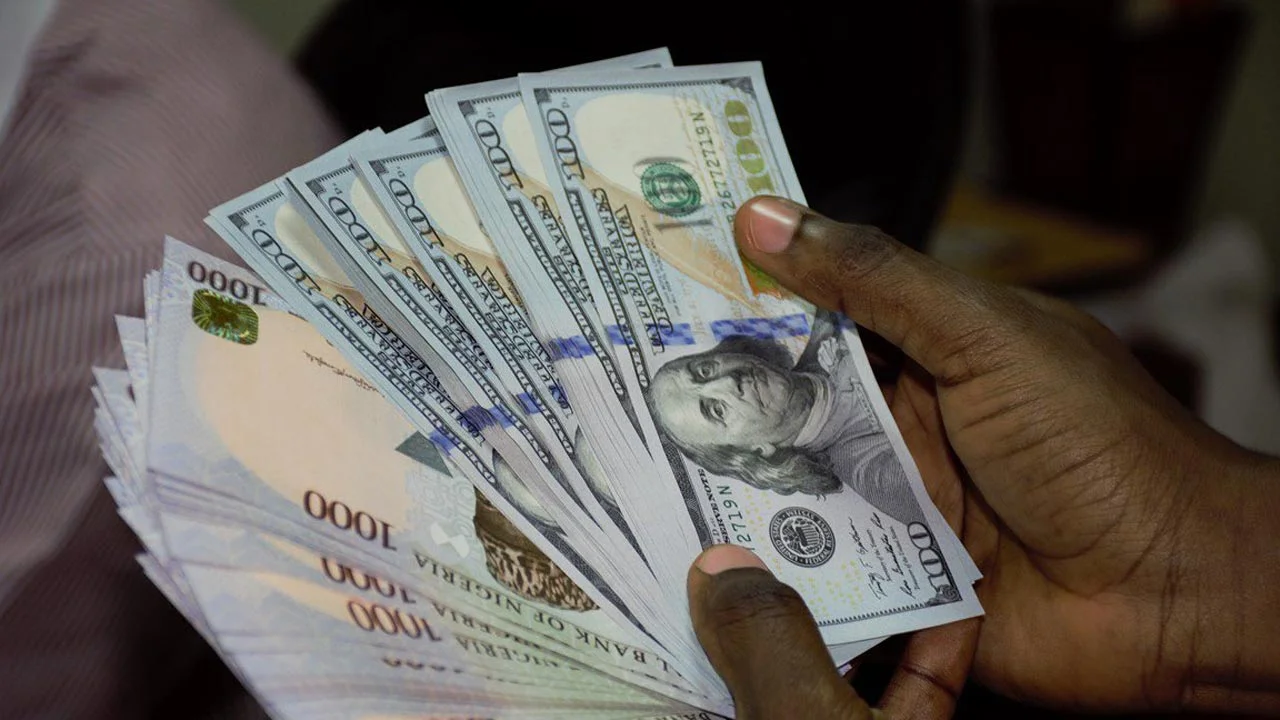
The shift in market sentiment has also impacted global interest rate expectations; traders have largely scrapped hopes for a Federal Reserve rate cut, now pricing in only one potential reduction for the entirety of 2026.
For Nigerian policymakers, the immediate challenge lies in navigating the dual pressure of a weakening Naira and soaring gasoline costs.
With equities on the back foot and investors favoring caution, the CBN’s next policy move will be critical in determining whether the domestic economy can withstand this latest round of global shocks.