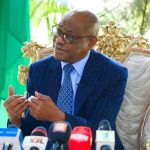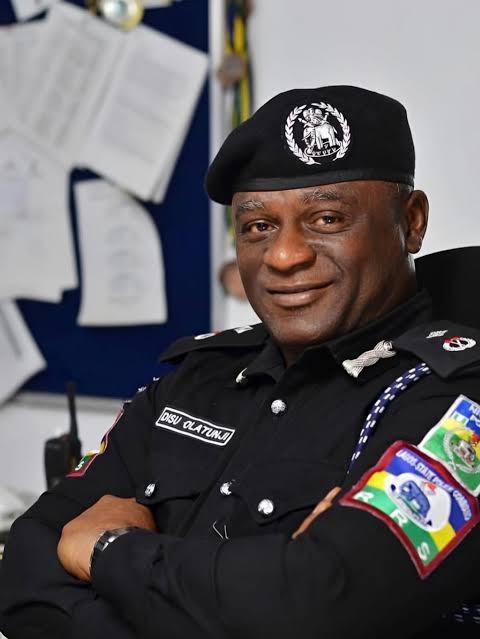
Olatunji Rilwan Disu, raised in Lagos Island and shaped by both street discipline and academic grounding at Lagos State University, carries a leadership style that blends structure with instinct.
EDITOR’S PICK
- Lagos Urged to Adopt Non Kinetic Strategies to Tackle Insecurity
- Tinubu Unveils N10bn Housing Loan Scheme for Civil Servants
- NRC to Boost Efficiency Through Continuous Staff Training – Opeifa
In a state like Lagos, where pressure is constant and expectations are high, only those with mental sharpness and resilience survive. That same energy is now visible in how he is steering policing at the national level.
Since his appointment after Kayode Egbetokun, there has been a noticeable shift in tone within the force. Officers are speaking about renewed focus, quicker operational thinking, and stronger internal coordination.
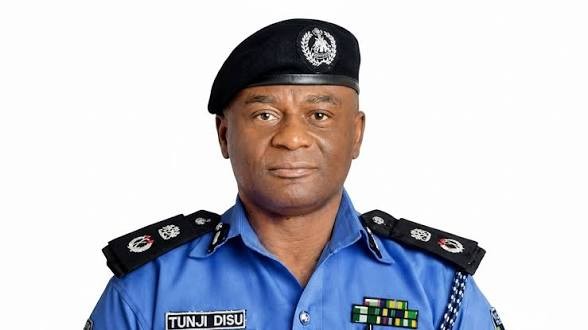
His leadership is being described in many circles as firm, direct, and action driven, with early reforms aimed at improving responsiveness and discipline across commands.
Since assuming office, Disu has begun shaping a leadership direction that many Nigerians say reflects what they have long expected from the police, faster response, stronger discipline, and a more human face to policing.
His story is deeply rooted in Lagos Island, a place that builds awareness, resilience, and sharp thinking. Combined with his academic grounding at Lagos State University, he carries both the instinct of the streets and the structure of formal training.
His operational experience in Lagos further strengthened that reputation, particularly during his time at the Lagos State Criminal Investigation Department where he handled complex cases, coordinated investigations, and gained deep insight into criminal patterns and intelligence work.
Those years in Lagos CID exposed him to the realities of crime beyond surface level, shaping a more detailed and strategic approach to policing. He also built public confidence during his time in tactical operations in Lagos, where visibility, quick response, and effectiveness were not optional but necessary.
That foundation is now reflecting in the reforms and shifts being observed across the force.
There is stronger emphasis on faster response to distress calls, with improved coordination and rapid deployment aimed at ensuring emergencies are treated with urgency.
Intelligence led policing is also gaining ground, with more focus on prevention, surveillance, and early detection rather than waiting for crimes to occur.
Internal discipline and accountability are being reinforced, with commands expected to uphold professional standards and deliver measurable results. At the same time, better coordination across police units is helping to reduce operational gaps and improve efficiency.
There is also a deliberate push toward rebuilding public trust and engagement, encouraging more professional interaction between officers and citizens, and ensuring that policing feels protective rather than distant.
On the welfare side, the role of Mrs Oluwafunmilola Mutiat Disu as the 23rd indigenous President of the Police Officers Wives Association adds another layer to this leadership.
Her focus on welfare, empowerment, and unity among police families is helping to strengthen morale within the force, recognizing that stability at home directly affects performance on duty.
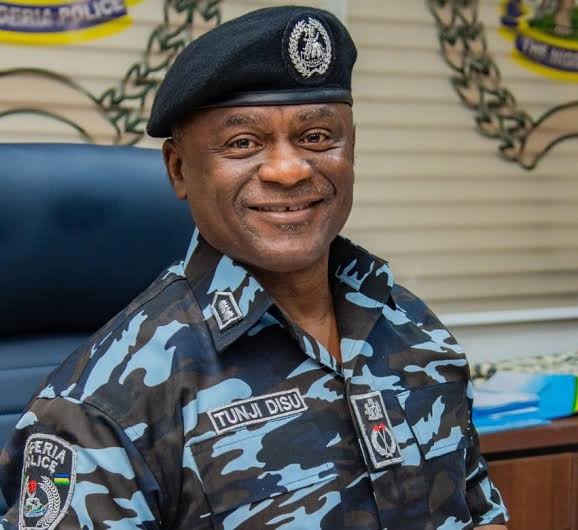
Beyond these reforms, what many Nigerians are also noticing is Disu’s communication style. He remains visible, speaks frequently on security matters, and continues to address public concerns in a calm and direct manner. This presence projects a leader who listens, understands, and engages rather than staying distant from the people.
Taken together, his Lagos roots, his experience at the Lagos CID, and his early reforms as Inspector General are shaping a policing culture built on awareness, speed, discipline, and a closer connection to the realities Nigerians face every day.