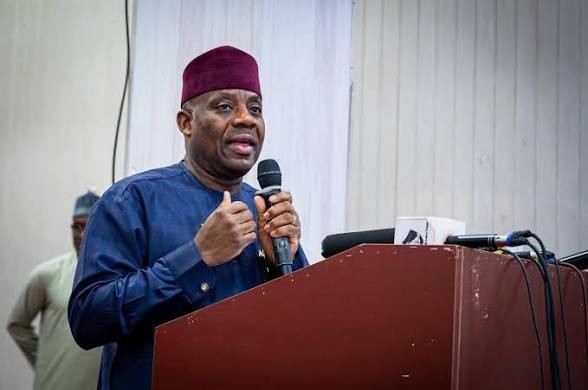
- New Universities Ban Will Improve Quality, Says Alausa
- Says Nigeria Has Too Many Universities With Low Utilisation
- Ban To Fix Funding, Quality Gaps
Nigeria’s Minister of Education, Tunji Alausa, has defended the Federal Government’s ban on the establishment of new universities, saying the policy is aimed at improving the quality of education and increasing student utilisation in existing institutions, Eko Hot Blog reports.
Speaking in an interview with Times Higher Education, Alausa said Nigeria’s tertiary education system had been “overbuilt” in recent years, leading to widespread underutilisation of available infrastructure and academic staff.
EDITOR’S PICK
- Lagos Breaks Revenue Record, Hits ₦2.6 Trillion in 2025
- Tinubu to Launch AU Maritime Task Force Against Terrorism, Piracy
- Tipper Truck Crushes Two Fruit Sellers to Death in Akure
He noted that the Federal Government first imposed a seven-year ban on new public tertiary institutions in August 2025 before extending it to private universities in March 2026.
According to him, several universities are operating below 10 per cent capacity, making further expansion unnecessary at this time.
Alausa explained that the policy is designed to redirect attention and resources towards strengthening existing institutions, many of which struggle with infrastructure deficits and funding challenges.
He cited cases where some universities with large staff strength have very low student populations, describing it as inefficient for the education system.
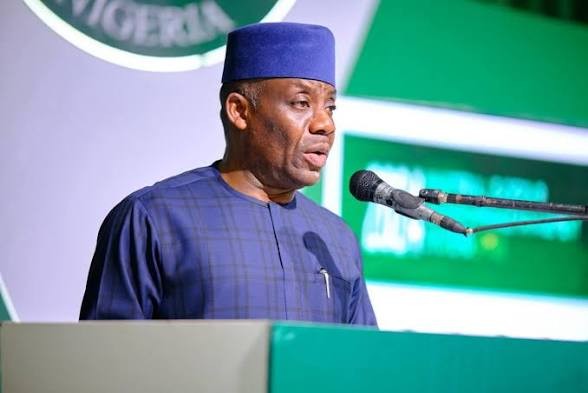
The minister also said the government is encouraging foreign branch campuses and transnational education partnerships as part of efforts to expand access while maintaining quality.
He added that international collaborations with institutions such as Coventry University, the University of Dundee and the University of Birmingham reflect Nigeria’s openness to global academic partnerships.
Alausa further stated that the government is introducing entrepreneurship and innovation programmes to prepare graduates for a changing job market impacted by artificial intelligence.
He said the goal is to shift focus from producing job seekers to creating job creators through practical and skills-based education.
FURTHER READING
- Lagos Records Improved WASSCE Performance as 61.52% Pass Key Subjects
- Tinubu Salutes NDLEA Over Multi-Million Dollar Drug Bust
- Lagos Expands Infrastructure at Agbowa Timberville Project in Epe
Click here to watch video of the week