- He outlined key steps Nigeria has taken to improve its health security framework
- Nigeria now operates over 100 public health laboratories, alongside infectious disease centres
- He also pointed to China’s response to the COVID-19 pandemic as an example of effective coordination
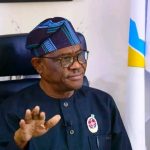
The Minister of State for Health and Social Welfare, Iziaq Salako, has warned that future pandemics are unavoidable, urging countries to strengthen their preparedness and response systems.
Speaking at a public health symposium in Abuja titled “Lessons on Pandemic Preparedness and Response: Insights from China and Nigeria,” Salako stressed that the world must act proactively to mitigate the impact of future health crises, Eko Hot Blog gathered.
EDITOR’S PICK
- G7 Meets in France Amid Middle East Tensions
- Epe in Focus: Tinubu to Announce Lagos APC Consensus Governorship Candidate Monday
- Bisola Badmus Rallies Support for Biola Bayo Following Heated Baba Ijesha Interview Backlash
“The next pandemic is not a question of if, but when,” he said, highlighting the need for coordinated, inclusive, and innovative strategies to safeguard populations.

Reflecting on the global impact of COVID-19, which resulted in millions of deaths worldwide, the minister noted that the crisis exposed weaknesses in health systems but also demonstrated the importance of collaboration and resilience.
He outlined key steps Nigeria has taken to improve its health security framework, including the digitalisation of disease surveillance through the Surveillance Outbreak Response Management and Analysis System (SORMAS), capacity building for health workers, and the expansion of diagnostic facilities.
According to him, Nigeria now operates over 100 public health laboratories, alongside infectious disease centres and emergency operations centres across all states and the Federal Capital Territory.
Salako said these efforts have contributed to an improvement in Nigeria’s health security performance, with evaluation scores rising from 39 percent in 2017 to 54 percent in 2023.
He also pointed to China’s response to the COVID-19 pandemic as an example of effective coordination, emphasising the role of technology and community engagement in managing outbreaks.
The minister noted that collaboration between Nigeria and China would be vital in building more resilient health systems capable of responding to future emergencies.
He added that under President Bola Ahmed Tinubu, health security has been prioritised within the government’s broader reform agenda, with initiatives aimed at strengthening preparedness at both national and subnational levels.
Salako explained that strategies such as the One Health approach, integrating human, animal, and environmental health, are being implemented to ensure comprehensive responses to disease threats.
He further disclosed that Nigeria is actively participating in negotiations for a global pandemic agreement under the World Health Organization, reflecting its commitment to international cooperation.
The minister called for a whole-of-society approach to pandemic preparedness, urging governments, private sector players, researchers, and communities to work together in developing effective solutions.
He emphasised the need for actionable policies, strong partnerships, and continuous innovation to ensure readiness for future global health emergencies.
Experts at the event also noted that such engagements signal a move toward a more self-reliant and industrialised healthcare system in Nigeria, driven by international collaboration, local production, and improved health security measures.
FURTHER READING