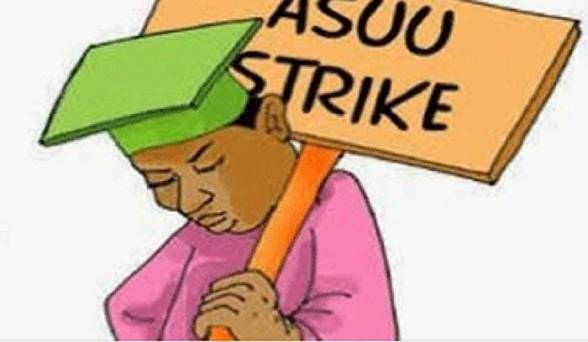
- Nigeria Lost Five Years to ASUU Strikes Before Tinubu – FG
- Union Warns of New Strike
- Says Universities Stabilising, But Strike Threat Looms
The Federal Government has said Nigeria’s university system lost nearly five years to repeated strikes by the Academic Staff Union of Universities in the decade before President Bola Tinubu assumed office in 2023.
Eko Hot Blog reports that the Minister of Education, Tunji Alausa, made the claim in Abuja during the launch of the Entrepreneurship, Innovation and Business Incubation Certification (EIBIC) programme.
EDITOR’S PICK
- Daddy G.O Arrested Over Alleged Abuse of 16-Year-Old Girl
- Anti-Drug Drive Intensifies as Court Jails Female Convict in Edo
- Fire Destroys Property Worth Millions in Cross River Community
According to him, the frequent industrial actions disrupted academic calendars, delayed graduations, and affected the overall quality of education and global competitiveness of Nigerian graduates.
Alausa said public universities had endured years of instability, but added that the situation has improved under the current administration, with fewer disruptions and more consistent academic timelines.
He noted that students who gained admission in 2023 are on track to complete their programmes within the expected four-year period, something he said had not been achieved in decades.
“In the last 10 years, there were about 52 ASUU strikes, leading to nearly 1,700 lost academic days equivalent to almost five years. Since May 2023, that figure has dropped significantly,” he said.
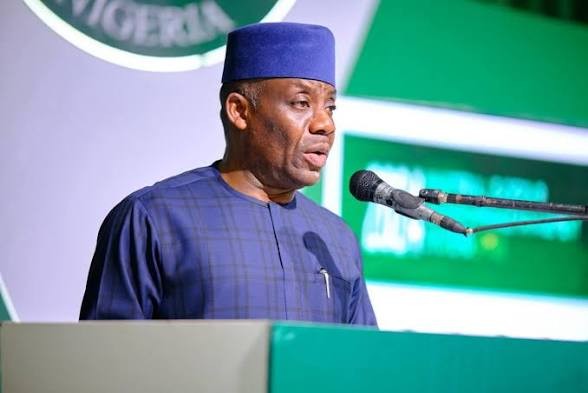
The minister attributed the relative stability to improved engagement between the government and the union, as well as quicker responses to emerging issues.
However, concerns remain that the calm may not last.
ASUU has warned of a possible fresh strike over delays in implementing a renegotiated agreement with the government. The deal, expected to take effect from January 2026, includes a 40 per cent salary increase, improved allowances, and better pension conditions for lecturers.
Findings across several universities, including University of Lagos, University of Abuja, and University of Calabar, suggest that full implementation of the agreement is yet to begin, despite official assurances.
Some lecturers have reportedly raised concerns about salary discrepancies in recent months, fuelling tensions within the system.
ASUU President, Chris Piwuna, has warned that the union may take action if there is no progress, citing delays linked to budget approvals.
“If there is no meaningful progress, the union will decide on the next step,” he said.
Meanwhile, the Education Rights Campaign has criticised the government’s position, describing the claim of five lost years as misleading.
Its National Mobilisation Officer, Michael Adaramoye, argued that focusing on strike durations alone overlooks deeper issues such as underfunding, poor infrastructure, and challenging working conditions in universities.
He added that students continue to face rising costs and declining learning conditions, despite claims of improvement.